
Opinion
Why Sub-Saharan Africa Is Building Its Own Gold Refineries – And Why It Matters
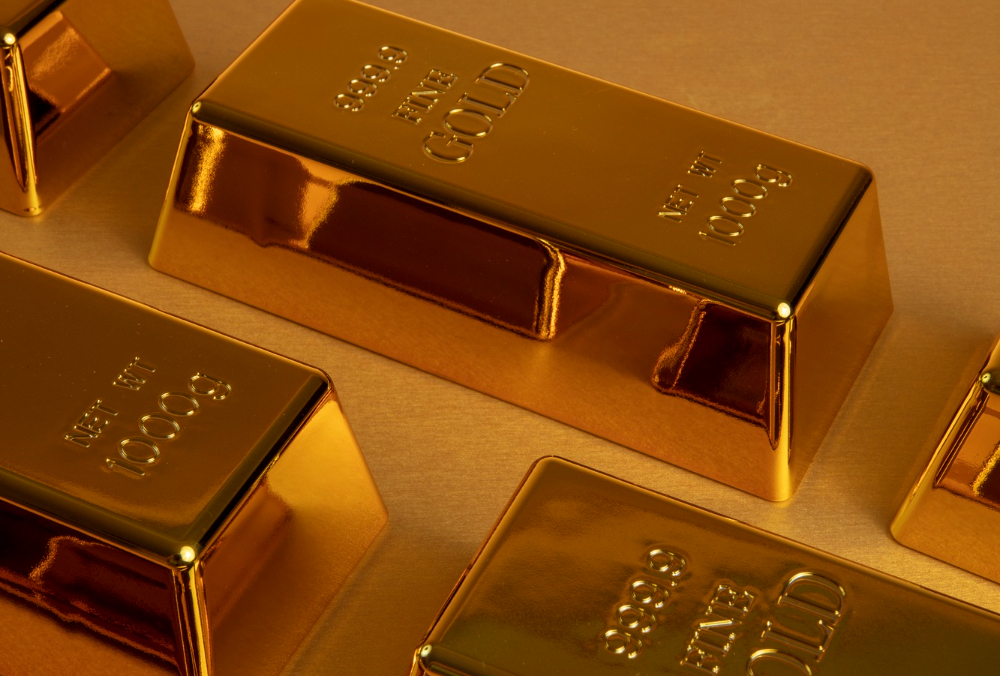

By Des H Rikhotso
For decades, Sub-Saharan Africa has shipped its raw gold overseas – often at a fraction of its potential value – while foreign refineries captured the lion’s share of profits. But a quiet transformation is underway across the continent.
From Johannesburg to Kigali, governments and private investors are betting big on domestic refining capacity, determined to retain more value from one of Africa’s most strategic natural resources.
At the heart of this shift lies a simple but powerful idea: process at home, profit at home. By establishing gold refineries locally, countries across Sub-Saharan Africa aim not only to reduce dependency on foreign processors but also to formalize artisanal mining, curb illicit trade, and position themselves as regional hubs in the global gold supply chain.
The Refining Revolution
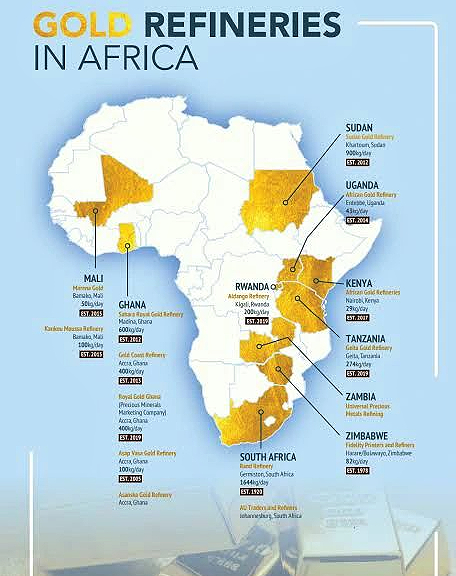
South Africa remains the continent’s refining heavyweight. The Rand Refinery, situated in Germiston near Johannesburg, has been refining gold since 1920 and today stands as the largest single-site gold refinery in the world.
Its scale, technical expertise, and long-standing relationships with central banks and international markets make it a cornerstone of Africa’s gold ecosystem.
But South Africa is no longer alone. In Uganda, the African Gold Refinery in Entebbe – now the second-largest refinery on the continent – has a staggering annual capacity of 219 metric tonnes, making it a critical player in East Africa’s efforts to formalize its mining sector and attract international buyers.
Ghana, long a top gold producer in Africa, launched the Royal Ghana Gold Refinery as West Africa’s first dedicated gold refinery. Backed by international partners and built to LBMA (London Bullion Market Association) standards, it aims to transform Ghana into a continental gold trading and refining hub.
Local gold refining in Sub-Saharan Africa adds value, curbs smuggling, and drives economic development.
Meanwhile, Rwanda has entered the arena with ambition. Its state-backed refinery in the Kigali Special Economic Zone can refine 6 tonnes of gold per month, processing output not just from domestic mines but also from neighboring conflict-affected regions – offering a legal, transparent alternative to informal and often illicit trade.
Even the Democratic Republic of Congo (DR Congo), historically plagued by mineral smuggling and conflict-related mining, is making strides. New refineries in Ituri Province and South Kivu are part of a broader push to bring artisanal production into the formal economy and meet growing international standards on responsible sourcing.
Elsewhere, Sudan – now among Africa’s top gold producers – is rapidly scaling its refining ambitions, while smaller facilities are cropping up across the region as countries recognize the strategic and economic imperative of value addition.
Why This Shift Matters
Gold refining is more than a technical upgrade – it’s a geopolitical and economic statement. By moving up the value chain, African nations are challenging a colonial-era model that exported raw materials while importing finished goods.
Today’s refineries symbolize a new era of industrial ambition, where resource sovereignty meets smart industrial policy.
Moreover, domestic refining helps tackle smuggling and tax evasion. In countries like Uganda and the DR Congo, a significant portion of gold has historically left borders informally.
Formal refineries create traceable, auditable supply chains – critical for accessing ethical investment and Western markets increasingly demanding due diligence on sourcing.
From a macroeconomic standpoint, local refining boosts foreign exchange earnings, creates high-skilled jobs, and attracts downstream industries such as jewelry manufacturing and bullion trading. It also positions African nations to play a larger role in global gold markets – not just as suppliers, but as price influencers and logistics nodes.
The Road Ahead
Challenges remain. Achieving LBMA accreditation – a global benchmark for credibility – requires stringent compliance with environmental, social, and governance (ESG) standards.
Power reliability, access to capital, and regional instability also pose hurdles. Yet the momentum is undeniable.
As global demand for responsibly sourced gold grows – and as African governments double down on industrialization – gold refineries will become more than industrial plants. They will be symbols of economic agency, resilience, and continental ambition.
Sub-Saharan Africa is no longer content to dig the gold and watch others refine it. The continent is building the infrastructure to keep more of that value at home – and in doing so, reshaping its place in the global economy.
Des H Rikhotso (PgDip-BA, MBL) is a seasoned C-suite Multi-Industry business executive with 25+ years of Business Leadership Experience across the South, East and Western Sub-Sahara Africa Region. Based in Kampala, Uganda he serves as East Africa Region Business Executive, driving Business Strategic Growth and Operational Excellence – contributing his Leadership Voice and Clarity to the Region. Des has held Business Leadership roles at BMW Group Africa, Volkswagen Group Africa, Peugeot Motors South Africa, Toyota/Lexus South Africa, Nissan Group of Africa, G.U.D Holdings (Africa Exports Operations Division) and The HDR Group of Companies. He holds Under-Graduate and Post-Graduate business degrees from the University of the Western Cape, Wits University (Wits Business School) and the University of South Africa.
