
Owusu on Africa
When Disasters Strike: Why Emergency Preparedness Is a Matter of Survival

By Fidel Amakye Owusu
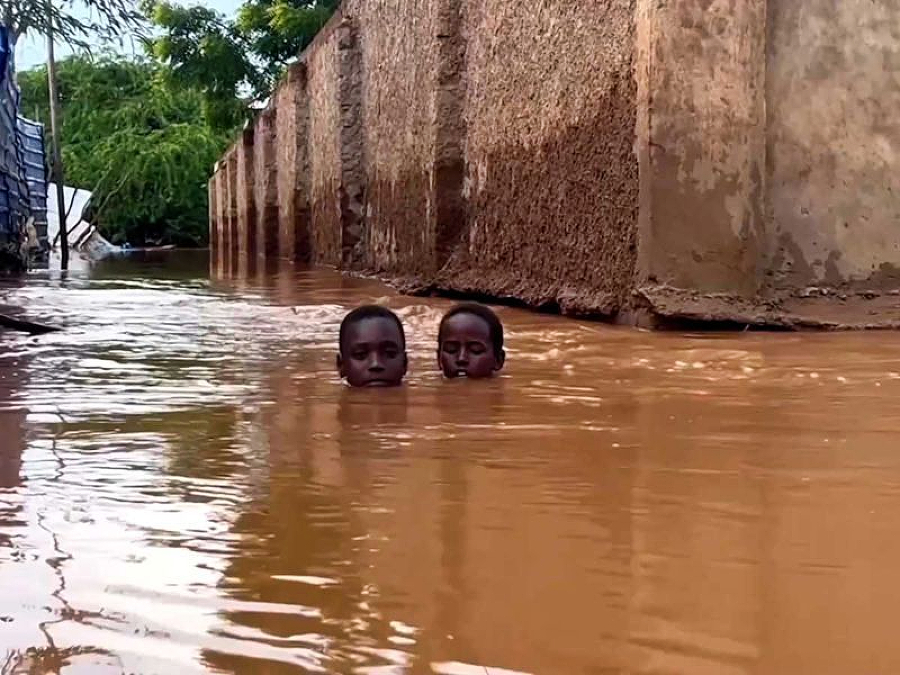
Somalia and the Democratic Republic of Congo are currently grappling with devastating floods, as relentless rains cause rivers to overflow and displace thousands. In recent days, lives have been tragically lost, underscoring the urgent need for robust disaster preparedness across vulnerable regions.
Over a year ago, I wrote about the critical importance of emergency preparedness – even for nations facing deep political and economic challenges. Below is an excerpt from that piece:
“For African states still building their foundations, investing in disaster preparedness must be non-negotiable.”
Recent reports indicate that more than 1.7 million people in Somalia will require emergency aid due to flood damage – an alarming reminder that effective disaster management should be at the forefront of policy discussions across the continent.
After decades of instability, Somalia is slowly rebuilding its institutions to better serve its citizens, even as it continues to combat violent extremism with some notable progress. Yet, despite these incremental gains, the country remains economically fragile.
This fragility has a direct impact on its ability to invest in disaster preparedness. Scarce resources are often directed toward immediate crises, while little or nothing is allocated to prevent future disasters that may seem uncertain.
This shortcoming isn’t unique to Somalia – it affects even relatively stable nations.
What’s the way forward?
As climate patterns shift rapidly and seismic events grow more destructive – amplified by rising populations and concentrated urban settlements – there is no longer room for complacency when it comes to preparing for natural disasters.
For fragile states like Somalia, proactive disaster planning is not just a matter of public safety; it’s a cornerstone of national security. When governments fail to protect their people during times of crisis, trust erodes.
Citizens may turn to alternative sources of support – including groups that could destabilize the region further.
International development and security partners must recognize disaster preparedness and response as essential components of effective governance and long-term stability. Providing military equipment to fight terrorism is insufficient if a state cannot manage humanitarian emergencies before outside assistance arrives.
In essence, emergency preparedness is not just a technical necessity – it is a fundamental pillar of statehood itself.
Fidel Amakye Owusu is an International Relations and Security Analyst. He is an Associate at the Conflict Research Consortium for Africa and has previously hosted an International Affairs program with the Ghana Broadcasting Corporation (GBC). He is passionate about Diplomacy and realizing Africa’s global potential and how the continent should be viewed as part of the global collective.
