
Opinion
What I learned about Stop and Frisk from watching my black son
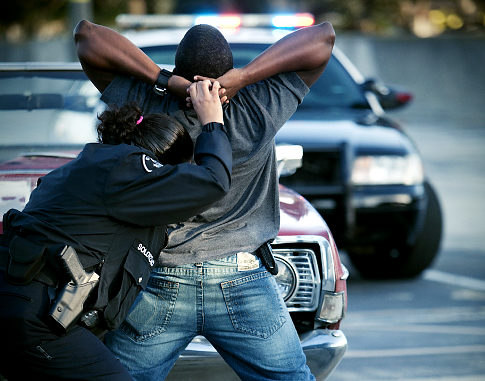
If we truly believe that a tax must be imposed in order to control crime, then we should all share in the burden of that tax. We should not take the easy and unfair route of imposing the tax on someone else, especially when that someone else is already overburdened. As an intellectual exercise, why don’t we envision matching the application of stop and frisk to the demographic composition of a city? In New York City, if officers wanted to stop and frisk 3 African American men on their shift, they’d also have to stop and frisk 5 white women and 5 white men, and proportionately equivalent numbers of Latinos and Asian-Americans. Some might say, “Wait, it’s a waste of the officers’ time to impose these searches on innocent people instead of searching people who might actually be criminals.” But the evidence shows that New York City police were already imposing stop and frisk searches on innocent people nearly 90 percent of the time – it is just that the burden of those stops and searches was endured almost exclusively by young men of color.
Moreover, if police start stopping and frisking hundreds of thousands of white women and men in the manner they’ve been searching young men of color, they will undoubtedly issue some summonses and make some arrests. There are middle-class white people in possession of illegal guns – not to mention heroin, illegal prescription painkillers, and marijuana. The success rates may not be high. But this shouldn’t deter police officials. After all, low success rates haven’t dissuaded them from searching young men of color for contraband and firearms.
This suggestion isn’t entirely tongue-in-cheek. If police were to actually apply it, even for a short while, it would test society’s disregard for individualized suspicion and force us to think more deeply about what it means to impose stop and frisk on large numbers of innocent people. It is easy enough to rationalize away a “special tax” when we apply it to “them.” But how will we feel about that burden once it’s shared by all of us?
Re-published from The Atlantic
