
Opinion
The Trans-West African Coastal Highway: A Catalyst for Regional Integration and Economic Transformation

By Des H Rikhotso
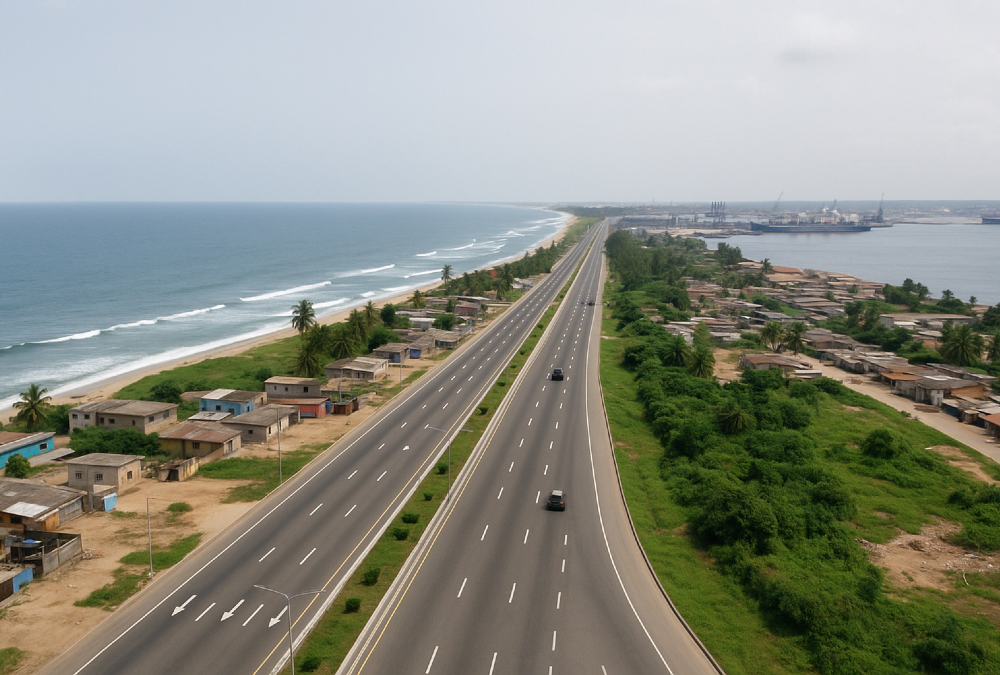
Stretching over 4,000 kilometers (2,485 miles) along the vibrant Atlantic coastline of West Africa, the Trans-West African Coastal Highway (TAH 7) is more than just a road – it’s a bold vision for regional unity, economic integration, and sustainable development. As a cornerstone of the Trans-African Highway network, this ambitious infrastructure project links 12 coastal nations – from Mauritania in the northwest to Nigeria in the southeast – while extending vital feeder routes into the landlocked economies of Mali and Burkina Faso.
At the heart of this transformative initiative lies the Abidjan-Lagos Corridor, a flagship 1,080-kilometer (671-mile), six-lane motorway that traverses five key Economic Community of West African States (ECOWAS) members: Côte d’Ivoire (Ivory Coast), Ghana, Togo, Benin, and Nigeria. This corridor is not merely about paving roads; it represents a strategic push to dismantle trade barriers, reduce transportation costs, and unlock the economic potential of one of Africa’s most dynamic regions.
A Highway for Trade, Growth, and Connectivity
The impact of the Trans-West African Coastal Highway extends far beyond asphalt and concrete. By streamlining cross-border movement, the project is poised to boost intra-African trade, which currently accounts for less than 15 percent of the continent’s total commerce – significantly lower than in other global regions.
Improved road infrastructure will cut travel time between major economic hubs, enhance supply chain efficiency, and open new markets for small and medium-sized enterprises (SMEs).
Consider this: Lagos, Nigeria’s commercial capital, and Abidjan, Ivory Coast’s economic powerhouse, are home to tens of millions of people and serve as critical gateways to West Africa’s growing consumer base. Connecting them via a modern, multi-lane highway will stimulate investment, spur job creation, and attract both regional and international businesses seeking reliable logistics networks.
Strategic Infrastructure and Border Modernization
Integral to the success of the Abidjan-Lagos Corridor are eight newly constructed border posts, designed to facilitate faster, safer, and more transparent customs processing. These facilities incorporate modern technology and harmonized procedures to reduce delays and combat informal trade practices – long-standing bottlenecks that have hampered regional integration.
Moreover, the project underscores a shift toward multinational cooperation. Coordinating planning, standards, and implementation across five sovereign nations is no small feat, yet it reflects a growing commitment to collective development.
The highway is not just a physical link – it’s a symbol of political will and regional solidarity.
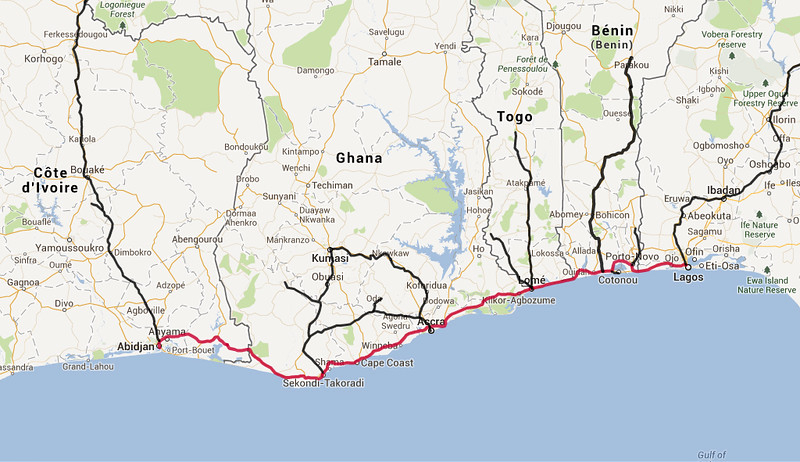
The propsed Abidjan–Lagos Corridor. Image courtesy Jonte/Flickr (Creative Commons license).
Funding the Future: Public-Private Partnerships in Action
Financing such a monumental endeavor requires innovative collaboration. The African Development Bank (AfDB) has emerged as a leading financier, providing critical funding and technical expertise.
But the project also draws on private investment and institutional partnerships, signaling growing confidence in West Africa’s long-term economic trajectory.
These investments are not just about infrastructure – they are bets on the future of African urbanization, digital connectivity, and industrial growth. As urban populations surge and regional value chains evolve, the highway will serve as a backbone for future economic corridors, smart cities, and green logistics networks.
Challenges Ahead – and Reasons for Optimism
Despite its promise, the project faces hurdles: funding gaps, environmental concerns, land acquisition disputes, and the need for sustained political cooperation. Ensuring equitable benefits across communities – especially rural populations bypassed by main routes – will be essential to its long-term legitimacy.
Yet the momentum is undeniable. With construction already underway on key segments of the Abidjan-Lagos stretch, and regional leaders increasingly aligned on its strategic value, the highway is moving from blueprint to reality.
A Roadmap for Africa’s Ascent
The Trans-West African Coastal Highway is more than a transportation project – it is a catalyst for integration, a driver of inclusive growth, and a testament to African agency. In a world where connectivity defines competitiveness, this highway positions West Africa to harness its demographic dividend, strengthen regional markets, and play a more central role in the global economy.
As the tarmac stretches across borders and barriers, it carries with it the hopes of millions: for smoother commutes, thriving businesses, and a more united West Africa. The journey has begun – and the road ahead is paved with possibility.
Des H Rikhotso (PgDip-BA, MBL) is a seasoned C-suite Multi-Industry business executive with 25+ years of Business Leadership Experience across the South, East and Western Sub-Sahara Africa Region. Based in Kampala, Uganda he serves as East Africa Region Business Executive, driving Business Strategic Growth and Operational Excellence – contributing his Leadership Voice and Clarity to the Region. Des has held Business Leadership roles at BMW Group Africa, Volkswagen Group Africa, Peugeot Motors South Africa, Toyota/Lexus South Africa, Nissan Group of Africa, G.U.D Holdings (Africa Exports Operations Division) and The HDR Group of Companies. He holds Under-Graduate and Post-Graduate business degrees from the University of the Western Cape, Wits University, and the University of South Africa.
