
Opinion
The Next Engine of Global Growth? African Industry

By Ajay Wasserman
Africa is home to the world’s youngest population – a dynamic, fast-growing demographic that represents both a historic opportunity and a pressing challenge. By 2050, one in four people on the planet will be African.
But youth alone won’t drive prosperity. The critical question isn’t just how to employ this rising generation – it’s how to equip them with dignified jobs, transferable skills, and a stake in sustainable, homegrown wealth.
The answer? Industrialization.
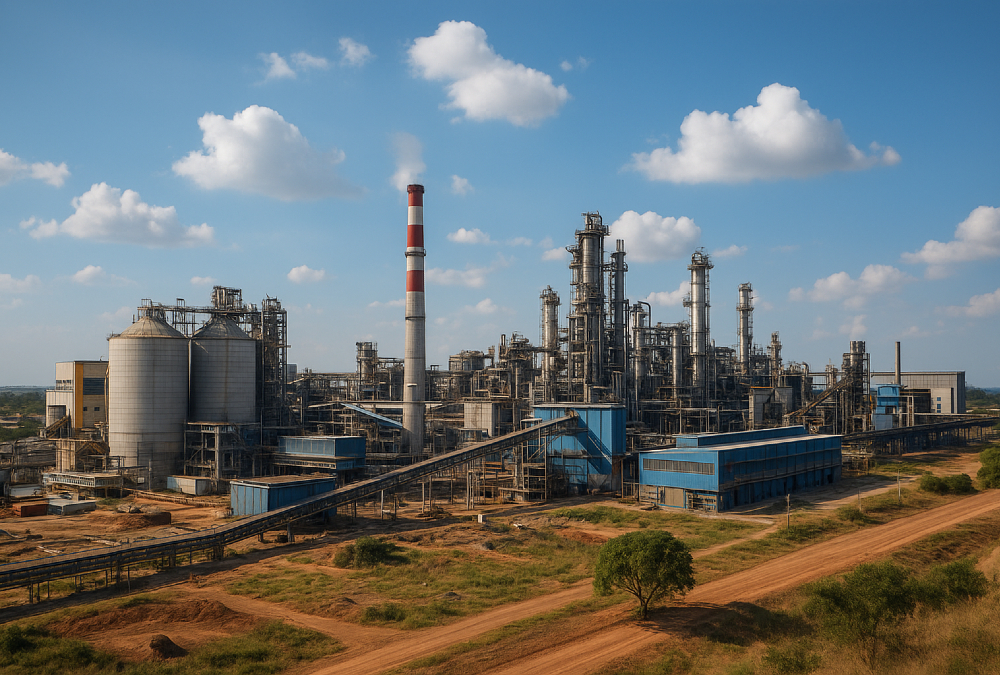
From steel mills and cement plants to agro-processing hubs and mineral beneficiation facilities, industrial businesses are more than profit centers – they are engines of inclusive economic transformation. Unlike extractive industries that ship raw materials overseas, industrial enterprises anchor value chains on the continent, creating multiplier effects that ripple across entire economies.
Consider the evidence:
- One industrial job supports three to five additional jobs in logistics, services, and local supply chains.
- Processing raw materials locally – whether cocoa, copper, or cotton – retains value within African economies, boosting export revenues and reducing vulnerability to commodity price swings.
- Industrial clusters catalyze infrastructure development, build technical expertise, and generate the tax revenues needed to fund public goods like schools, clinics, and digital innovation.
History offers a clear blueprint. In just a few decades, countries like South Korea, Vietnam, and China transformed from agrarian economies into global manufacturing powerhouses – lifting hundreds of millions out of poverty in the process.
Africa stands at a similar inflection point. With abundant natural resources, a growing consumer base, and a digital-savvy youth population, the continent has all the ingredients for an industrial renaissance.
From Potential to Power: Africa’s Industrial Imperative
But seizing this moment requires deliberate strategy and bold action:
- Empower African entrepreneurs with patient capital, access to regional markets, and streamlined regulatory environments.
- Shift from raw commodity exports to value-added production – prioritizing policies that incentivize local processing and manufacturing.
- Develop integrated industrial corridors that link ports, reliable energy grids, transport networks, and special economic zones across borders.
This isn’t merely about building factories – it’s about building economies that work for everyone. Industrialization fosters resilience, reduces dependency, and creates the foundation for long-term innovation.
The choice before Africa is stark: remain a global supplier of unprocessed resources, or become the architect of its own industrial future.
I believe the path forward lies in conscious capital – investments that marry financial returns with measurable social impact, creating not just quarterly profits, but generational prosperity.
The time to act is now. Africa’s demographic dividend won’t wait – and neither should we.
Ajay Wasserman is the Group CEO and Chief Investment Officer of Fio Capital Group, a private family office and investment holding company based in Pretoria. Focused on empowering entrepreneurs and fostering sustainable growth, he believes the future success of global economies depends on the innovation and leadership of private entrepreneurs and businesses.
