
Opinion
The African Paradox: Trillions in Resources, Shallow Stock Markets

By Dishant Shah
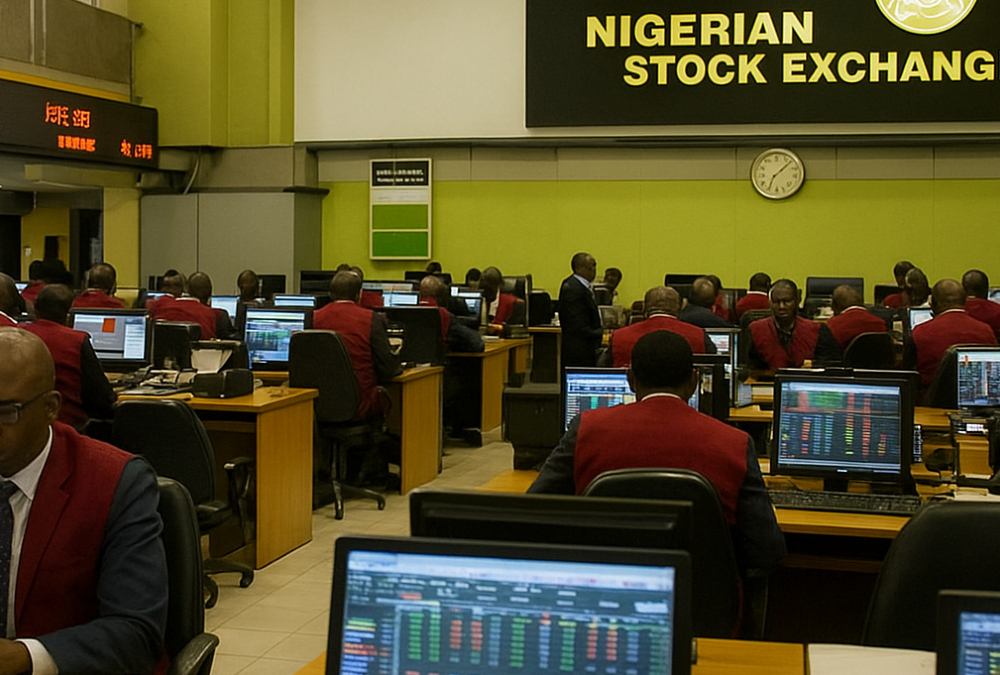
In Lagos, traffic often grinds to a halt outside the sleek glass façade of the Nigerian Exchange Group (NGX) – a fitting metaphor for an economy rich in oil but poor in financial depth. Step inside, and the trading floor is quieter than one might expect for Africa’s largest economy, home to nearly 220 million people and sitting atop billions in hydrocarbon reserves.
This paradox echoes across the continent. Africa is endowed with an estimated US$3.5 trillion in untapped natural resources – oil, gas, gold, cobalt, lithium, and more – yet its stock exchanges remain strikingly shallow, fragmented, and undercapitalized.
While resource wealth flows through state coffers and foreign balance sheets, it rarely finds its way onto local bourses.
So why hasn’t Africa’s mineral and energy bounty translated into vibrant, liquid capital markets?
Structural Barriers, Not Scarcity of Assets
The disconnect isn’t due to a lack of wealth – it’s rooted in systemic structural and institutional gaps:
- Resource Rents Bypass Local Markets
Revenues from oil, diamonds, copper, and other commodities typically flow through state-owned enterprises (SOEs) or multinational corporations headquartered abroad. These entities rarely list on African exchanges, depriving domestic investors of exposure to the very assets underpinning national economies. In Nigeria, for instance, decades of oil production have generated trillions in export earnings – but almost none of that value is reflected in NGX-listed equities. - A Narrow Pipeline of IPO-Ready Firms
Africa’s private sector is dominated by small and medium-sized enterprises (SMEs) and informal businesses, many of which lack the scale, governance, or financial transparency required for public listing. Without a robust pipeline of investable companies, exchanges struggle to attract sustained investor interest. - Underdeveloped Domestic Investor Base
Pension funds, insurance companies, and retail investors – the bedrock of deep capital markets in advanced economies – are still nascent across much of Africa. As a result, trading volumes remain low, liquidity is thin, and markets are vulnerable to short-term foreign capital flows that amplify volatility rather than foster stability. - Regulatory Uncertainty and Policy Volatility
Frequent, unpredictable shifts in tax policy, ownership rules, or capital controls deter long-term investment. When the regulatory ground shifts overnight, both companies and investors opt for the safety of private arrangements over public market participation. - Currency Risk Undermines Equity Returns
In economies with volatile exchange rates, gains from equity appreciation can be wiped out by currency depreciation. This dual risk discourages both domestic savers and international investors from allocating capital to local equities. - The Resource Curse Stifles Market Development
Paradoxically, resource abundance can hinder financial market growth. Governments that rely on direct commodity rents often neglect the development of broad-based tax systems, transparent fiscal frameworks, and inclusive financial institutions – all essential for nurturing capital markets.
A Continent of Contrasts
The pattern is stark. Botswana, often hailed as a model of political stability and prudent resource management, still keeps its crown jewel – Debswana Diamond Company, a 50-50 joint venture between the government and De Beers – off the stock exchange.
Meanwhile, South Africa’s Johannesburg Stock Exchange (JSE) stands as the continent’s notable exception: deep, diversified, and institutionally robust, built on decades of regulatory consistency and a mature domestic investor ecosystem.
The Path Forward: From Resource Rents to Equity Growth
The lesson is clear: natural wealth alone does not build financial markets. What matters are strong institutions, predictable governance, and mechanisms that channel resource revenues into long-term domestic capital formation.
Africa doesn’t need more resources – it needs better financial plumbing. That means:
- Encouraging partial listings of state-owned resource companies
- Strengthening corporate governance and disclosure standards
- Deepening pension and insurance sectors to anchor domestic demand
- Harmonizing capital market regulations across regional blocs like the AfCFTA
- Stabilizing macroeconomic frameworks to reduce currency and policy risk
Until resource wealth is systematically “financialized” – transformed into tradable, transparent, and inclusive equity instruments – Africa’s stock exchanges will remain narrow reflections of economies with far greater potential.
The real question isn’t whether Africa can build deeper capital markets. It’s whether its leaders will choose to unlock the continent’s greatest untapped asset: its own financial future.
Dishant Shah is a partner at Legion Exim, a company specializing in facilitating the export of high-quality engineering products directly sourced from manufacturers in India to Africa. His areas of expertise include new business development and business management.
