
Opinion
Should the United States Lose to China in Africa?
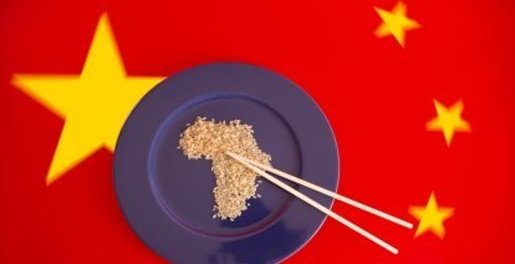
Sometime last year, a high-ranking Ugandan Minister sent an email to a contact in a United States Agency. Like any good college alumni, Mr. Minister had kept a torch burning for the world’s largest economy, and in this particular missive, he wanted to know if the Americans were willing to support his ministry’s venture. The response was prompt, but not satisfactory: Things, he was told, were a little more elaborate now in the ‘No Drama Obama’ administration where no one wanted investigations into their department because of a rush decision.
Frustration.
Then, just as his disappointment knows no bounds, in walks an eager businessman. Any project the Honorable Minister wants funded can be done, the Minister is told. How long will it take to get a response on these things, the Minister asks? An answer can be given Now, Now! A quick response is always suspect. Skepticism. A phone call, furious nodding of heads later, approval is granted. A handshake, a memorandum of understanding, and in three weeks, the Minister reports to his colleagues and constituents that while he’d probably still be Waiting for Godot with the U.S., the Chinese have another friend in Uganda.
Do the Americans Even Care?
Although partly fiction, the story is about an overwhelmingly familiar dynamic between the United States and China in Africa: America does not pay Africa as much respect as China does – much to the chagrin of those who thought that things would change with Obama in the White House. However, the ferocity of the economic downturn and opposition Obama faced from the Republicans took prospects off the table during the President’s first term, save of course, for the trip to Ghana and Egypt.
In the meantime, China in 2009 eclipsed the United States as Africa’s largest single trading partner. Under Obama, China doubled and trebled its no strings attached dealings equally with both Africa’s best and worst public sector managers. This yielded two-way trade nearly trebling in the last seven years alone to about US$300 billion. Chinese investment goes into mining and the infrastructure to facilitate extraction of raw materials to China.
Like the Ugandan minister, Africa marvels at the differences in engagement between the East and the West. Yet, in the United States, much of what you may hear is how bad China will, ultimately, be for Africa. Brookings’ Yun Sun makes the argument that China’s growing economic presence in Africa is hardly altruistic, and is based on a hardnosed quid pro quo of investing broadly while extracting natural resources in return. Many even see China as a third world country with a seat on the United Nations Security Council and associate it more with the goods in their supermarket, Tiananmen Square and the lack of basic freedoms.
These same Americans aren’t naive about the politics of muscle in international relations. While some may prefer that the U.S. be healed first before it can go abroad, they also know that it’s in America’s long-term interests to invest in Africa to ensure some sort of economic and military stability.
