
Opinion
Rethinking the Future of African Farming: Beyond the Fields

By Jean Claude Niyomugabo
For decades, Africa’s agricultural narrative has been dominated by one central theme: primary production. We celebrate bountiful harvests and marvel at vast expanses of cultivated land.
But if we truly want to transform the continent’s agricultural landscape, it’s time to shift our focus. The future of farming in Africa lies not just on the farm – but beyond it.
If you are an investor with resources to deploy, here is a golden opportunity: value addition. This is where Africa’s untapped potential truly shines.
Each year, Africa produces millions of tonnes of crops – maize, cassava, cocoa, coffee, tomatoes, and more. Yet, paradoxically, we still import billions of dollars’ worth of products derived from these very same raw materials. Why? Because we lack the infrastructure to process them locally.
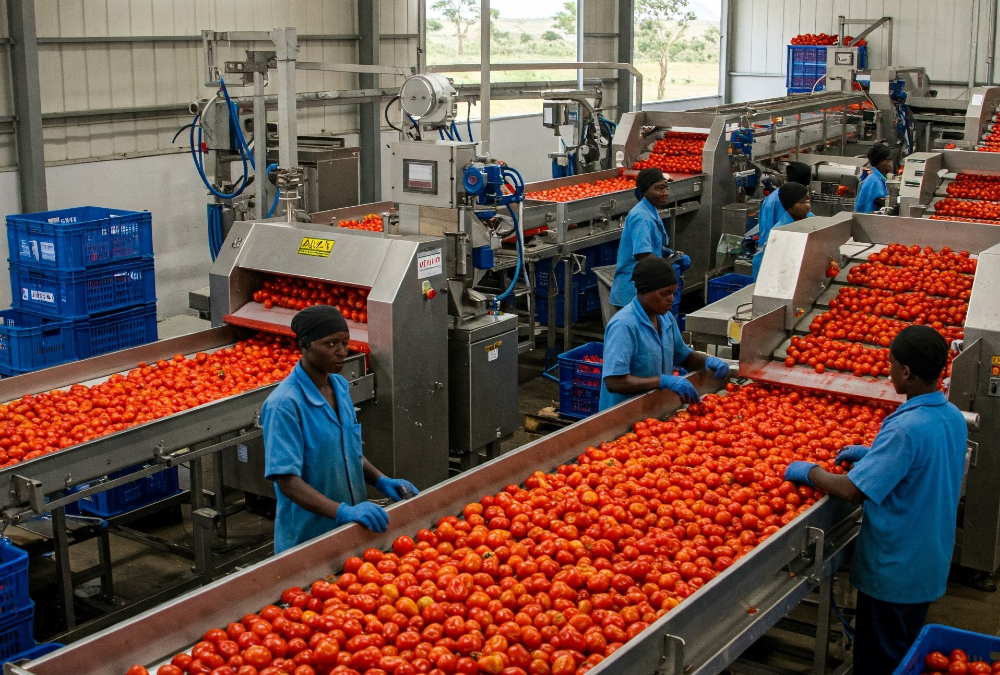
What Africa urgently needs is a new wave of agro-processing factories – facilities capable of transforming raw produce into high-quality, competitive finished goods.
We have the land. We have the labor.
We even have the demand. What’s missing is investment, innovation, and the infrastructure to connect the dots.
From Waste to Wealth: Solving the Value Gap
Take Nigeria’s tomato industry as an example. The country produces over 1.5 million tonnes of fresh tomatoes annually, yet it imports more than US$500 million worth of tomato paste every year.
Why? Limited local processing capacity.
This story repeats itself across the continent, crop after crop. Cassava, soybeans, groundnuts, fruits – all are subject to the same challenge.
Raw materials are abundant, but the value-added products remain elusive.
The solution is clear: build robust agro-processing systems. Doing so won’t just create jobs – it will keep wealth within our borders.
It will reduce post-harvest losses, which currently claim up to 40 percent of our agricultural output. Imagine factories turning groundnuts into peanut butter, sunflower seeds into cooking oil, cassava into flour and ethanol, or mangoes into juice and dried snacks.
These aren’t distant dreams – they are achievable realities waiting for the right investments in agribusiness infrastructure.
By prioritizing value addition, we can achieve multiple transformative goals:
- Create sustainable jobs for youth and women, addressing unemployment challenges.
- Promote rural industrialization, bringing economic activity closer to farming communities.
- Position Africa as a global competitor, not just as a supplier of raw materials but as a manufacturer of valuable, finished goods.
The timing couldn’t be better. The African Continental Free Trade Area (AfCFTA) Secretariat has unlocked access to a market of over 1.3 billion people.
By investing in agro-processing now, our farmers and entrepreneurs can seize this unprecedented opportunity.
Agriculture is far more than soil and seeds – it is a value chain that stretches from the field to the shelf. Every link in that chain matters, and value addition is the key to unlocking its full potential.
The demand is already here. The market is ready.
What we need now is bold action: investment, technology, and a mindset shift.
If you are considering where to invest, think agro-processing. Think about converting Africa’s natural abundance into wealth, jobs, and sustainable growth.
The opportunities are immense. The time is now.
Agriculture is Africa’s strength. Value addition is how we unlock its boundless potential.
Let’s rethink the future of farming – not just as cultivation, but as transformation. Africa’s agricultural revolution starts today. Will you be part of it?
Jean Claude Niyomugabo is an entrepreneur and digital communication specialist with a strong passion for Africa’s development. He is dedicated to harnessing the power of social media to drive positive change and enhance livelihoods. With diverse interests and a strategic approach to digital engagement, he strives to create meaningful impact through innovation and connectivity.
