
Owusu on Africa
Pushing back the M23 in DR Congo: Who leads the effort matters

By Fidel Amakye Owusu
The support of local actors from various groups and backgrounds has been crucial for achieving tactical, operational, and strategic military success, particularly in the long term.
This principle has held true throughout history. Alexander the Great understood this and leveraged local alliances to maintain control over his rapidly expanding empire while continuing his conquests, despite his reputed invincibility.
In the mid-2000s, US General David Petraeus recognized that American firepower alone was insufficient to combat al-Qaeda in Iraq. Facing significant losses and a dire situation, he turned to Sunni tribal leaders, some of whom were indifferent or even aligned with al-Qaeda amidst the shifting power dynamics in Iraq. His strategy proved successful at the time.
Soon, al-Qaeda found it increasingly challenging to secure safe havens in Sunni-majority areas like Fallujah and other suburbs.
However, the way such collaborations are forged can have dangerous consequences. They must be approached with meticulous planning and a clear endgame.
So, What Does This Mean?
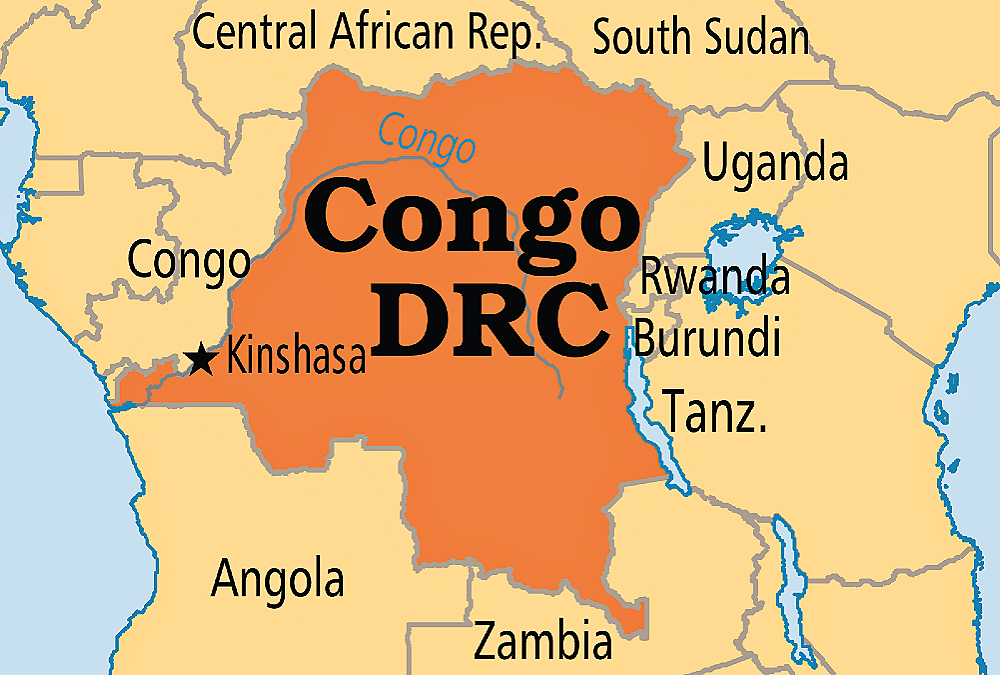
Recent news of a vigilante Congolese youth group aiding regular forces to push back M23 rebels, while seemingly positive given the suffering of local populations, raises several concerns. Though these youth groups are acting in self-defense as nationals, certain issues may arise in the future.
Potential Issues
Firstly, when civilian youth groups “partner” with a regular army to combat a formidable and well-armed group like M23, they are not fighting unarmed. They will need to be equipped. Historically, this has led to dangerous outcomes in Africa. Countries like Sudan, Ethiopia, and Libya are currently grappling with armed units that were once beneficial but have since become destabilizing forces.
These groups often relinquish their arms at a high cost, outweighing any benefits they once provided to the state. Given the Democratic Republic of Congo’s history with numerous armed groups causing havoc across its territory, extreme caution is necessary when involving such groups in combat.
If their knowledge of the local terrain is crucial for protecting the population against rebels, it would be more prudent to recruit some members into the regular forces for professional training. This could help avoid future complications. The longer they remain in their current state and contribute to tactical and operational successes, the more they will assert their independence.
The Path Forward
While these collaborations unfold, state and regional actors must employ diplomacy to achieve lasting peace. The people of the region desperately need stability and peace.
Fidel Amakye Owusu is an International Relations and Security Analyst. He is an Associate at the Conflict Research Consortium for Africa and has previously hosted an International Affairs program with the Ghana Broadcasting Corporation (GBC). He is passionate about Diplomacy and realizing Africa’s global potential and how the continent should be viewed as part of the global collective.
