
Opinion
Owusu on Africa: Why Sudan’s withdrawal from IGAD should be reconsidered

By Fidel Amakye Owusu
After decades of severe drought and concomitant famine and socio-economic challenges in the Horn of Africa, the Intergovernmental Authority on Drought and Development (IGADD) — with two Ds — was created in the 1980s.
The main purpose of the organization at the time was, therefore, to manage the perennial natural disaster and not necessarily for anything political.
A decade later, in 1996, member states of IGADD decided to make it a well-structured and institutionalized regional organization akin to others such as the Economic Community of West African States (ECOWAS), the East African Community (EAC), and the Southern African Development Community (SADC).
The organization became the Intergovernmental Authority on Development (IGAD) – with one D. By the removal of “Drought,” member states saw the new organization as a platform that would help address the multifaceted challenges of the region. Drought was only one of these.
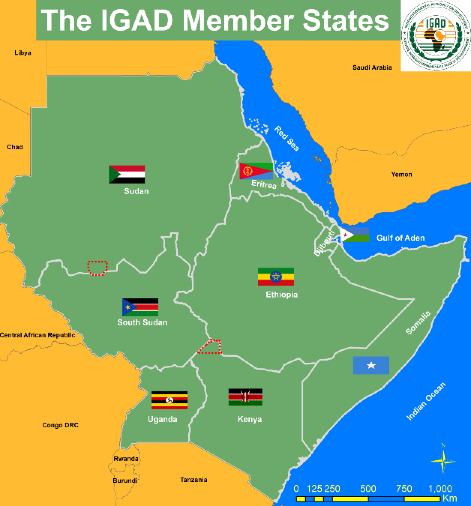
Since the creation of IGAD, it has helped address several issues in the region. It was instrumental in finding a lasting solution to the conflict between South Sudan and Sudan. Before African Union forces commenced the organization’s mission in Somalia, IGAD forces had led an earlier intervention.
In recent times, the organization has taken steps to address internal tensions between states – albeit with mixed results. Eritrea was re-admitted by the group last year. The current friction between Ethiopia and Somalia is another challenge.
This makes the decision by Sudan not to participate in the activities of the group as a member state problematic.
Firstly, despite the powerful external actors that have shown interest in resolving the conflict between the Rapid Support Forces (RSF) and the Sudanese Armed Forces (SAF), it would take regional actors to keep the peace if it is reached. Leaving the bloc is, therefore, counter productive.
Linked to this is the role of transnational actors, including ethnicities that make a continued engagement with other member states of IGAD critical. The conflict has complex dynamics that involve groups that straddle across Sudan and multiple borders in the region. Sudan needs the cooperation of neighboring states to manage the roles of these actors.
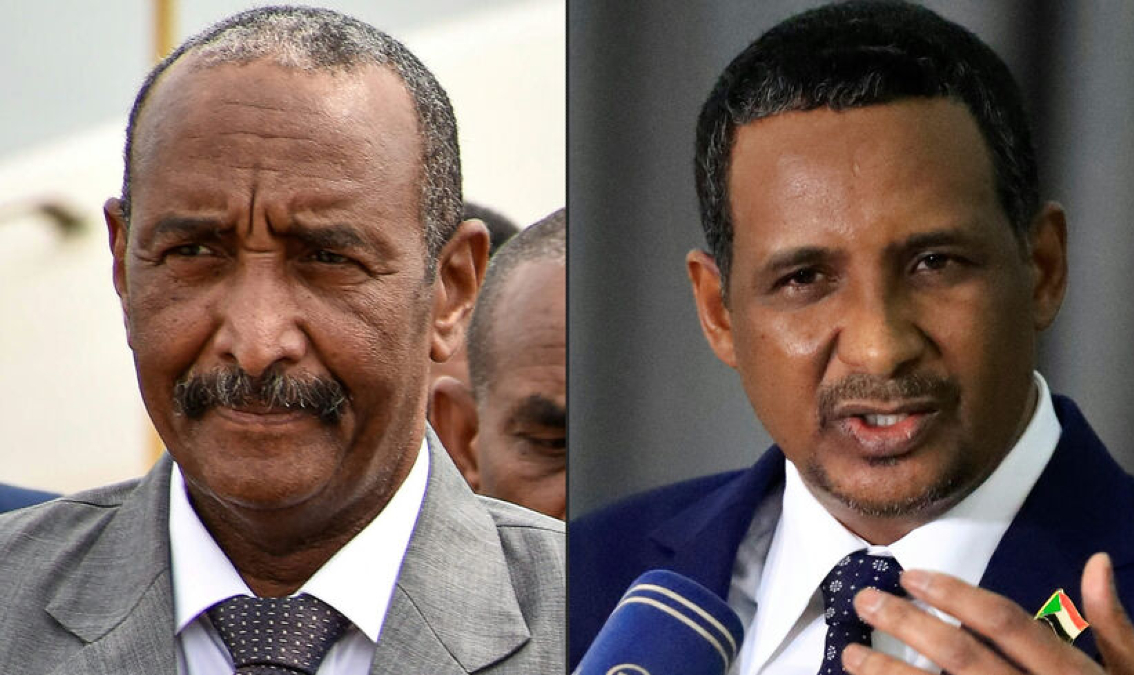
Furthermore, although General Abdel Fattah al-Burhan considers the hosting of RSF leader General Mohammed Hamdan Dagalo by lGAD member states to be undermining his side, in reality, it could be a path to real peace. As I have written early on, the RSF leader will only commit to peace if he is sure about his security (both political and economic). He feels that regional actors could ensure that—he might be right.
Also, with General Burhan being the head of state of the country, isolating his government will not be a good decision despite his discomfort with Dagalo’s shuttle diplomacy in the region. He must see the changing circumstances of the conflict and act accordingly.
Fidel Amakye Owusu is an International Relations and Security Analyst. He is an Associate at the Conflict Research Consortium for Africa and has previously hosted an International Affairs program with the Ghana Broadcasting Corporation (GBC). He is passionate about Diplomacy and realizing Africa’s global potential and how the continent should be viewed as part of the global collective.
