
Opinion
Owusu on Africa: Whichever way we look at it, ECOWAS was “right”

By Fidel Amakye Owusu
When the Economic Community of West African States (ECOWAS) was established in May 1975, most of the leaders in West Africa were military rulers or had taken power by the use of force.
The three foremost leaders who facilitated the establishment of the organization were all coup makers: Yakubu Gowon, Gnassingbé Eyadéma, and Ignatius K. Acheampong.
Interestingly, the civilian leaders in the region at the time became a hindrance to the formation of the bloc. A lot of backroom discussions eventually brought them on board. Before and after its establishment some notable policy decisions were initiated and implemented.
Most importantly, the military leaders, in order not to challenge their legitimacy had stressed non-interference and concentrated on economic integration.
After the Cold War, this changed. As individual states democratized, military governments metamorphosed into civilian ones and civilian dictators softened their positions. This led to a revisit of the raison d’etre of the regional organization.
New protocols meant that democracy would define the membership of the group. All member states accepted to abide by democratic principles – at different levels. Like every association, sanctions are applied when rules are broken. Over time, other precedents have been set regarding the application of guiding principles of the regional economic community.
Factors
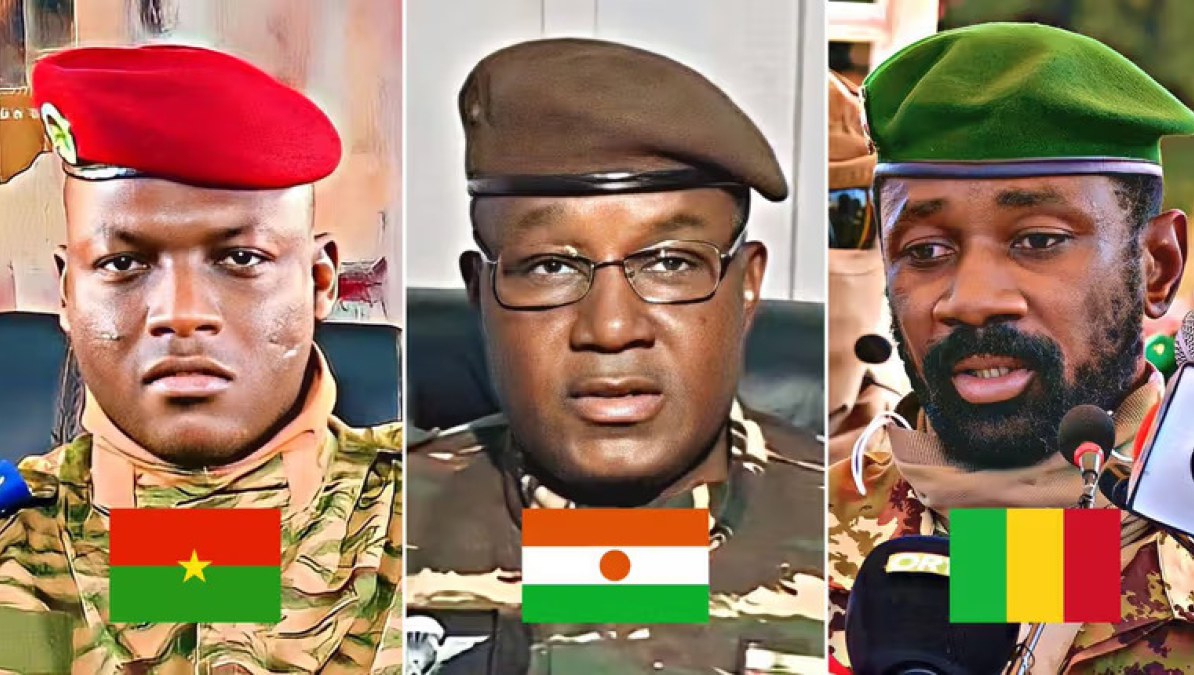
When Burkina Faso, Mali and Niger announced that they were breaking away from ECOWAS last Sunday, it was not particularly surprising. However, some people, including security experts have blamed the regional organization for the new development. In reality, however, many factors make such assertions wrong.
Almost all of ECOWAS’ actions relating to the juntas have been consistent with the protocols, conventions and precedents of the organization. These states are not the only states that have been sanctioned by the regional community over the time. Niger is not the only country that has faced regional military intervention.
Also, the organization was significantly supportive of these states right from the start in terms of security. When extremist almost overran Mali in 2013, it took AFISMA’s (ECOWAS-provided forces) intervention to halt their advancement.
Admittedly, subsequent security measures did not have the intended results as extremists proved to be more resilient and organizationally tenacious.
However, when this fragility led to military takeovers across the region, the security situation is currently worse. The coup makers have not lived up to the reason they gave for their actions.
Most importantly, while some want to paint ECOWAS as a Western construct through propaganda to discredit its actions, the organization right from scratch and through its evolution has been African.
As I have mentioned earlier, no level of kid gloves treatment from ECOWAS was going to make coup makers relinquish power.
Fidel Amakye Owusu is an International Relations and Security Analyst. He is an Associate at the Conflict Research Consortium for Africa and has previously hosted an International Affairs program with the Ghana Broadcasting Corporation (GBC). He is passionate about Diplomacy and realizing Africa’s global potential and how the continent should be viewed as part of the global collective.
