
Opinion
Owusu on Africa: Events in Nigeria need to be well-handled in a region becoming used to political instability

By Fidel Amakye Owusu
During the 1960s, a series of successful coups swept through sub-Saharan Africa, often accompanied by military justifications. These explanations were seen as vital for gaining public support, as the military understood the importance of popular backing for the success of a coup.
In 1966, the junta that ousted Ghana’s first president cited allegations of autocracy among its reasons. Similarly, in 1972, the junta responsible for toppling the Second Republic blamed the government for reducing soldiers’ benefits and causing hardship to the populace, dubbing the coup the “soldiers’ amenities coup.”
More recently, military interventions in the Sahel region have been justified under the pretext of addressing “insecurity.” In countries like Gabon and Guinea, the prolonged stay of civilian leaders in power served as the rationale for military action.
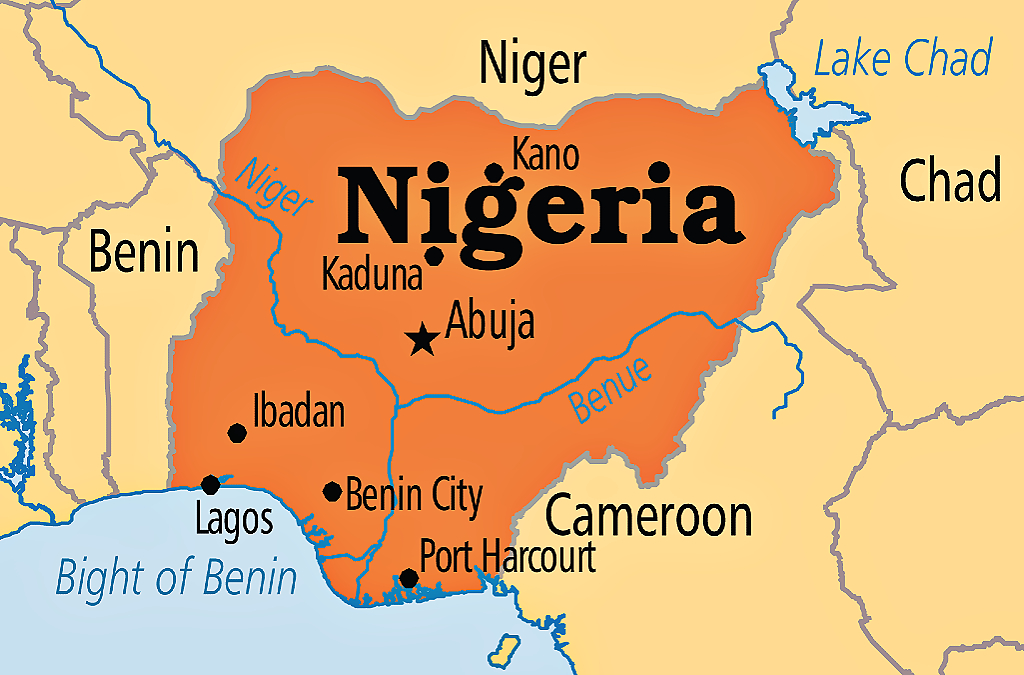
However, recent events challenge the stability of such justifications. Notably, in Nigeria’s Delta State, 16 military personnel were killed while intervening in community clashes. This tragic incident highlights a dangerous escalation towards instability.
Why is this significant?
Firstly, Nigeria, as Africa’s largest democracy, holds a crucial position that requires protection. Despite enjoying civilian rule for over two decades, recent coups in neighboring countries, along with their justifications, make attacks on military personnel in Nigeria deeply troubling. Mali, Burkina Faso, and Niger have all cited insecurity as grounds for military action.
Moreover, Nigeria has yet to pass the “two-turnover test,” a benchmark for democratic stability indicating peaceful transitions of power between different parties. Achieving this milestone, as seen in countries like Ghana and Senegal, remains elusive for Nigeria, and stability remains fragile even in those nations.
Furthermore, any instability in Nigeria carries significant regional implications due to its possession of the largest and most potent military in the area. A military takeover in Nigeria would likely result in dire consequences.
What’s the way forward?
Civilian governments, both at the state and federal levels, must take proactive measures to resolve inter-community disputes before they escalate. Establishing specialized police units for such situations could be a viable solution. In the short term, perpetrators must be held accountable, and adequate compensation provided to victims and their families.
Fidel Amakye Owusu is an International Relations and Security Analyst. He is an Associate at the Conflict Research Consortium for Africa and has previously hosted an International Affairs program with the Ghana Broadcasting Corporation (GBC). He is passionate about Diplomacy and realizing Africa’s global potential and how the continent should be viewed as part of the global collective.
