
Opinion
Owusu on Africa: ‘Better’ alternatives to negotiated agreements – how they play out in Sudan

By Fidel Amakye Owusu
One of the major impediments to the search for peace in a conflict situation is when there are better alternatives to negotiated agreements (BATNA).
These often result from strategic, operational, or tactical advantage advantages a party feels it has before or during negotiations. It is for this reason that clashes often become intense just before or during peace summits.
The kinds of alternatives include space gained, diplomatic support, arms supply, and relative weakness on the other side among others.
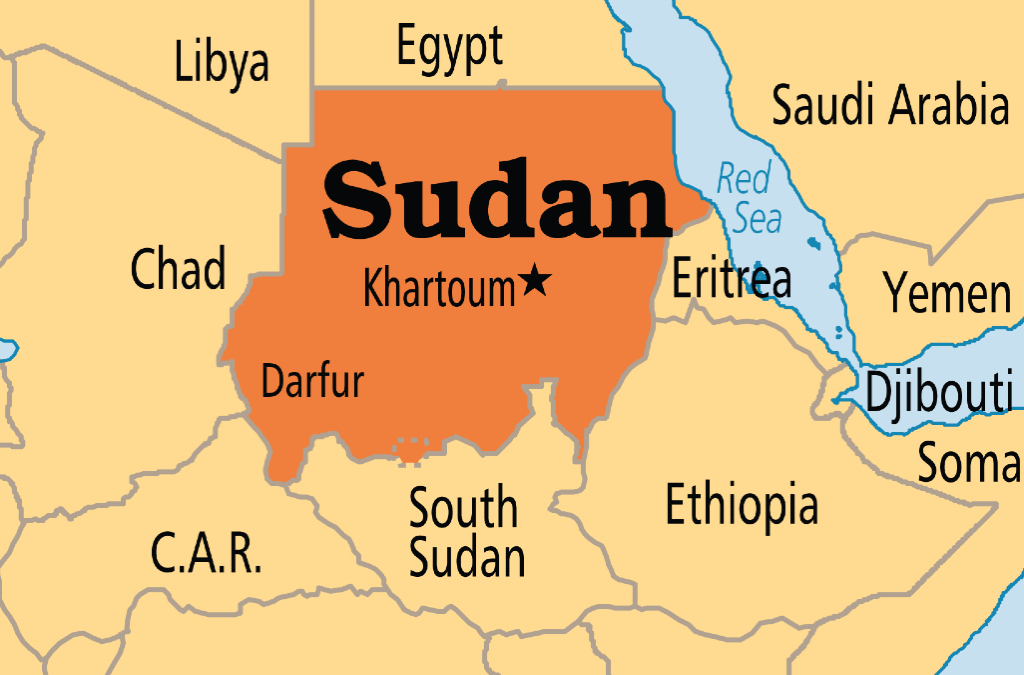
If there has been any conflict in recent years with so many failed peace efforts in Africa, it would be the Sudan conflict. The situation is so bad that experts find it easy to predict the outcomes of every new peace effort when it starts – they know it will fail – sadly.
Despite the diplomatic weight of brokers like the United States and Saudi Arabia, and their commitments to peace, nothing has changed. The more parties talk, the worse it gets on the ground.
What have been the “better” alternatives for warring parties?
A few weeks after the start of the war, I posited here that,the war, despite the use of aerial power by the Sudanese Armed Forces (SAF), was an infantry one. Currently, as the Rapid Support Forces (RSF) continue to gain territory with its exclusive infantry strategy, Dagalo has a BATNA.
The RSF quickly occupied strategic and sensitive facilities in the early stages of the war. This, therefore, limited the efficacy of air power as used by the SAF. Any negotiation that calls for immediate withdrawal of the paramilitary forces will be seen as a worse alternative.
On the part of General Burhan and the SAF, the fact that they are recognized as the legitimate representatives of the Sudanese state is a big deal to them. Any negotiation that seeks to raise their opponents close to that legitimacy is seen as a worse alternative. It is for this reason that the military chief has toured many capitals since the war.
This is, however, countered by a recent tour by Dagalo in some African capitals. When the war started, no African country could have been in a position to receive a man largely seen by the world as a rebel leader. Currently, that has changed. With significant gains on the ground and looking more confident, he has received some diplomatic recognition.
The current news that Burhan has rejected a peace initiative by Dagalo is, therefore, an interesting development. The former has accused the latter and his forces of committing war crimes in West Darfur. To Burhan, calling the RSF out and demanding justice is a better alternative to negotiations.
Unfortunately, the people and the region continue to suffer while BATNA dominates.
Fidel Amakye Owusu is an International Relations and Security Analyst. He is an Associate at the Conflict Research Consortium for Africa and has previously hosted an International Affairs program with the Ghana Broadcasting Corporation (GBC). He is passionate about Diplomacy and realizing Africa’s global potential and how the continent should be viewed as part of the global collective.
