
Opinion
KFC fries saga: will the African Union unlock markets for locally produced food?
By Edson Mpyisi
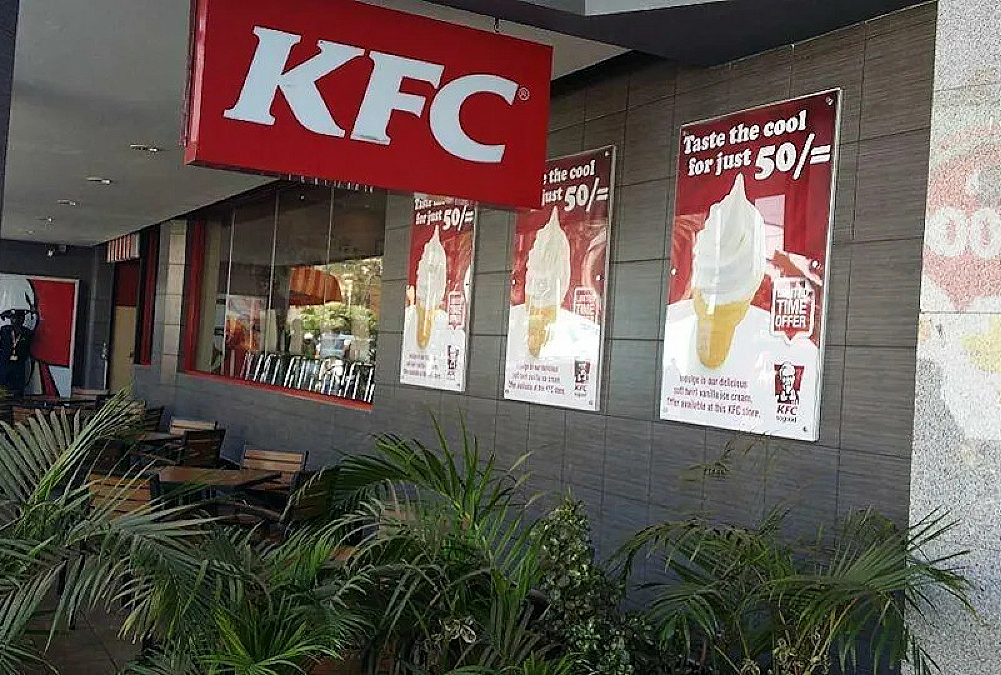
Last month, there was a hue and cry in Kenya when the multinational food corporation, Kentucky Fried Chicken (KFC), ran out of fries in its outlets! It then emerged that KFC Kenya imports potatoes for making its fries, as opposed to sourcing them from Kenyan farmers who produced them in tons.
In explaining their predicament, KFC indicated that the locally produced potatoes did not meet their strict quality threshold! The Kenyan social media exploded in outrage, with #boycottKFC trending for a while.
Kenyan citizens were justifiably outraged that their local potatoes were not good enough for the food chain where they spend millions of their hard-earned money every year – let alone exporting much needed jobs by sourcing the potatoes from outside the country.
KFC, as a multinational corporation was also justified as its objective is to maximize profits for its shareholders. In doing this, the company considers many factors in the supply chain, including, potato variety, aesthetics of the potato, moisture content, adequate and consistent supply, primary processing into cut and frozen fries, economies of scale in bulk-purchasing, tax benefits depending on where the products are sourced, etc., thereby resorting to importing the potatoes.
So, what is the solution to this perceived paradox?
It is opportune that the theme for this year’s ongoing African Union Summit in Addis Ababa is “Building resilience in nutrition on the African continent: Accelerate the human capital, social and economic development”.
The challenge of food and nutrition security is ever present on the continent. The Food and Agriculture Organization’s 2021 State of Food Security and Nutrition (SOFI) indicates that: the prevalence of undernourishment in Africa in 2020 was 21 percent (representing 282 million people), as opposed to 9.9 percent globally; and 80 percent of the people in Africa cannot afford a healthy diet, as opposed to 42 percent globally. In addition, Africa annually imports approximately US$500 billion worth of food products.
These statistics should be a wake-up call for the Heads of State to take seriously create and to formulate and adopt binding policy decisions that will reverse the trend.
Technical solutions to address the food and nutrition challenges on the continent exist and are well known. The African Union Commission developed the Comprehensive Africa Agriculture Development Programme (CAADP) in 2005 and the subsequent Malabo Declaration on Accelerated Agricultural Growth and Transformation in 2014. Most of the development partners on the continent such as the multilateral development banks, UN system and bilateral donors all have comprehensive and elaborate strategies and programs to address the food and nutrition security challenges on the continent.
However, a key challenge that confronts the implementation of these strategies is that the existing national and regional policies, strategies, legislation and investments are often compartmentalized into distinct dialogues. A critical solution to address this challenge is adopting a Food Systems approach.
In 2021, the UN convened a special Food Systems Summit and launched various actions to achieve the Sustainable Development Goals by 2030. A Food Systems approach recognizes that food production, nutrition and the environment are all connected, and must be addressed together through well-coordinated comprehensive approaches. This approach encompasses the entire range of actors and their interlinked value-adding activities involved in the production, aggregation, processing, distribution, consumption and disposal of food products that originate from agriculture, forestry or fisheries, and parts of the broader economic, societal and natural environments in which they are embedded.
The successful performance of food systems depends on their coherence and interaction with several other systems, including environmental, health and social protection systems. Other systems, such as education systems, play a critical role throughout the food system, from providing nutritious school meals, knowledge and skills in food production to nutrition education, and raising consumer awareness.
The effective and efficient implementation of this approach requires an enabling environment of governance mechanisms and institutions that facilitate consultation across sectors and key stakeholders. This is where the role of our Heads of State and Government at the AU Summit will be required to ensure that the decisions taken are not mere rhetoric and are able to address real life challenges facing African citizens and businesses such as the perceived paradox of the KFC fries saga in Kenya.
Edson Mpyisi is a Chief Financial Economist at the African Development Bank and a former Acting Director for the Department of Rural Economy and Agriculture at the African Union Commission. This version has been republished with permission from the author.
