
Opinion
Guyana’s journey to energy powerhouse: Unlocking Potential and Challenges

By Ryan Elcock
Guyana is currently experiencing a remarkable transformation. Formerly one of the poorest countries in the Western Hemisphere, Guyana is now on track to become the world’s fastest-growing economy, thanks to its newfound status as an energy powerhouse. The discovery of substantial oil reserves off its coast has attracted significant investments and positioned Guyana as a key player in the global energy sector. In this article, we will delve into the journey of Guyana’s energy sector, exploring its development, infrastructure, and potential for sustainable and renewable energy sources.
Unleashing the potential: Offshore Oil and Gas Discoveries
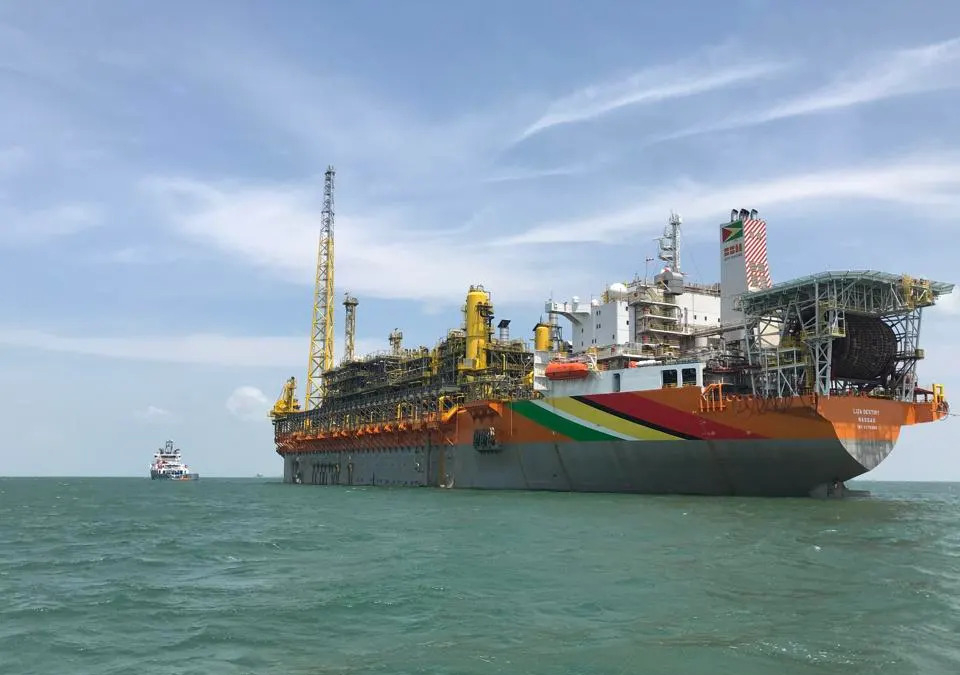
Guyana’s energy revolution began with a series of oil and gas discoveries in its offshore Stabroek block. ExxonMobil, along with its partners Hess and CNOOC, made the first major discovery in 2015 with the Liza-1 oil field. Since then, exploration efforts have yielded remarkable success, with 32 out of 37 well tests turning up oil. The scale of these discoveries is unprecedented, with more than 11 billion barrels of oil equivalent found to date. Industry experts have hailed this achievement as one of the largest and most significant in recent history.
The immense potential of these offshore reserves has attracted the attention of major oil companies, including Chevron, which recently acquired a stake in the Guyana project. The projected production capacity of over one million barrels per day throughout the 2030s positions Guyana as a major global player in the oil and gas industry.
This newfound wealth has already had a profound impact on Guyana’s economy, with government revenue tripling since 2017 and the GDP per capita expected to rise to the level of Mexico or Brazil in the coming years.
Guyana’s energy mix: Fossil Fuels and Renewable Sources
While Guyana’s oil and gas discoveries have grabbed headlines, it is essential to consider the country’s energy mix and its commitment to sustainable and renewable sources. Currently, more than 90 percent of Guyana’s total energy supply comes from fossil fuels, primarily heavy fuel oil. However, the government has set ambitious goals to diversify its energy sector and transition towards a more sustainable future.
Guyana aims to double its energy efficiency by 2030 and generate 100 percent of its electricity from renewable sources by 2040. This transition will not only reduce the country’s reliance on imported fuels but also contribute to global efforts to combat climate change. Wind, solar, biomass, and hydropower are the key elements in Guyana’s renewable energy proposal.
The country’s favorable geographic conditions, such as ample sunlight and extensive river networks, make it well-suited for the development of these clean energy sources.
Development of renewable energy infrastructure
Solar power: Harnessing the Sun’s energy
With an average of 12 hours of sunlight throughout the year, Guyana has significant potential for solar power generation. The government has already initiated projects to install solar panels in various locations, including major banks that have seen a significant reduction in operating expenses by utilizing solar power.
The goal is to construct several solar farm projects by 2025, which will not only reduce carbon emissions but also provide a more reliable and cost-effective alternative to the central electricity grid.
Wind power: Tapping into a natural resource
Guyana’s geographic location makes it suitable for the development of wind power projects, both onshore and offshore. While regulatory hurdles currently limit investments in offshore wind, the government is exploring the potential of onshore wind farms.
Tax concessions and capital write-offs are available for wind energy investments, making it an attractive option for companies seeking to harness the power of the wind. As Guyana’s energy demand continues to grow, wind power can provide a secure and reliable source of energy supply while reducing carbon emissions.
Hydropower: Unlocking the country’s river networks
Guyana’s extensive river networks present immense opportunities for the development of hydropower projects. The government is committed to expanding hydropower capacity to meet growing energy demands. The keystone project in this endeavor is the 165 MW Amalia Falls hydropower project, located in the country’s interior. Like its neighbor Suriname, which has successfully developed hydropower programs, Guyana aims to leverage its natural resources to generate clean and sustainable energy. These hydropower projects will not only contribute to reducing carbon emissions but also provide a stable and reliable source of electricity, particularly in rural areas.
Overcoming challenges: Infrastructure and Policy Reforms
While Guyana’s energy sector holds tremendous potential, it also faces significant challenges that must be addressed to ensure sustainable and inclusive growth. Key areas that require attention include infrastructure development, policy reforms, and capacity building.
Infrastructure Development: Modernizing the power grid
Guyana’s power grid and transmission lines are in a severe state of disrepair and need modernization. The country loses approximately 26 percent of its generated power due to inefficiencies in the grid. To address this issue, the government is drafting tenders for the rehabilitation of existing power infrastructure, the supply of additional power, and improvements to transmission lines. This infrastructure overhaul will not only enhance the stability and reliability of the power supply but also reduce losses and ensure more efficient energy distribution.
Policy reforms: Creating a Favorable Investment Climate
To attract investments in the renewable energy sector, Guyana has implemented various policy reforms. Changes to the wear and tear schedule of the Income Tax Act, as well as tax exemptions for hybrid or electric vehicles, have incentivized the adoption of renewable and alternative energy technologies.
The government also offers tax concessions and capital write-offs for wind and solar farm investments. Additionally, the Ministry of Tourism Industry and Commerce, the Guyana Office for Investment (GO-INVEST), and the Guyana Energy Agency provide information and support for investors interested in the renewable energy sector.
Capacity building: Developing Local Expertise
As Guyana’s energy sector expands, it is crucial to develop local expertise and ensure the participation of Guyanese citizens. The Guyana Energy Agency (GEA) has taken steps to grow local labor participation by providing training programs to meet the anticipated employment demands. By empowering local communities with the necessary skills and knowledge, Guyana aims to maximize the socio-economic benefits of its energy sector and mitigate any potential negative impacts.
A prosperous road ahead
Guyana’s journey to becoming an energy powerhouse is well underway. The discovery of vast offshore oil reserves has propelled the country into the global spotlight and attracted significant investment. While the development of fossil fuel resources raises concerns about environmental impacts, Guyana is also committed to diversifying its energy mix and investing in sustainable and renewable sources.
Through the development of solar, wind, and hydropower projects, the country aims to achieve energy independence, reduce carbon emissions, and provide reliable and affordable electricity to its citizens. With the right infrastructure, policy reforms, and capacity building, Guyana is poised for a prosperous future as a leading player in the global energy transition.
