
Opinion
From Steel to Strategy: Africa’s Rail Renaissance and the Path to Economic Transformation

By John Kourkoutas
Railways in Africa are more than tracks and locomotives – they are arteries of opportunity. Yet, decades of underinvestment have left the continent’s rail networks fractured, stifling growth and trapping communities in cycles of inefficiency.
A closer look at the data reveals a paradox: while Africa’s railways sit underutilized, their potential to reshape economies is vast and urgent.
The Cost of Congestion: Why Road Reliance Is Holding Africa Back
Across much of the continent, supply chains crawl under the weight of road dependency. Overburdened highways snake through landscapes where freight costs soar to 300 percent of global averages – a burden that strangles businesses, inflates prices, and isolates rural regions.
Delays turn perishable goods into waste. Markets shrink. Growth stagnates.
This is not just a logistical crisis – it’s an economic bottleneck.
The Rail Revolution: Connecting Corridors, Unlocking Prosperity
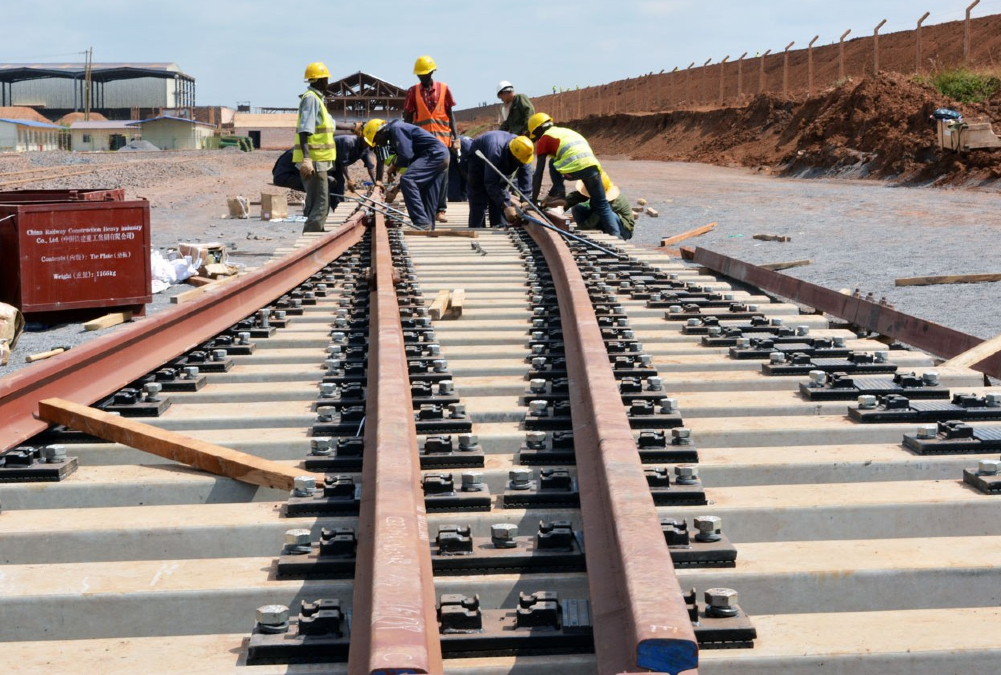
But a shift is underway. From the Lobito Corridor – a US$1.5 billion transnational railway reviving Angola’s port-to-Congo mineral routes – to Kenya’s Standard Gauge Railway, which slashed Nairobi-Mombasa transit times by 50 percent, modern rail is proving its power to transform.
These projects aren’t isolated wins; they’re blueprints for a continent hungry for progress. Here’s why rail matters:
- Slash Costs: Rail cuts freight expenses by up to 60 percent compared to roads, according to the African Development Bank.
- Boost Competitiveness: Efficient logistics networks make African exports more agile in global markets.
- Bridge the Landlocked Divide: Rail connects 16 landlocked nations to ports, unlocking access to 1.3 billion consumers under the African Continental Free Trade Area (AfCFTA).
- Fuel Sustainability: Trains emit 75 percent less CO2 per ton-mile than trucks, aligning trade with climate goals.
- Stimulate Jobs: Every kilometer of rail constructed creates 20–30 local jobs, with ripple effects across industries.
Beyond Cargo: Building Economies on Wheels
Rail is not merely infrastructure – it’s a development multiplier. Imagine a farmer in Zambia transporting maize to Dar es Salaam’s port in half the time, feeding urban populations and boosting regional food security.
Envision manufacturers in Ethiopia leveraging seamless rail links to export solar-powered appliances across Africa. This is the future rail enables: one where mobility fuels innovation, equity, and resilience.
The Call to Action: Prioritize Rail, Prioritize Growth
Africa’s rail renaissance demands bold vision. Governments must partner with private investors to fund corridors that stitch the continent together.
Policymakers must align rail projects with AfCFTA’s mandate to triple intra-African trade by 2030. And innovators must champion green technologies – like Kenya’s planned electrified rail network – to ensure sustainability.
The stakes couldn’t be higher. As the World Bank warns, failing to modernize transport could cost Africa US$180 billion annually in lost productivity by 2050.
But getting rail right? It could unlock a US$1 trillion prize: a connected, competitive, and thriving continent.
The tracks are laid. The time to move is now.
John Kourkoutas is business development expert that specializes in helping companies, export teams, and business leaders succeed in Africa’s dynamic and emerging markets.
