
Owusu on Africa
For “traditional European powers” in Africa, the new competition goes beyond known parameters: Nigeria is hosted in France

By Fidel Amakye Owusu
In 2022, Gabon and Togo became the newest members of the Commonwealth of Nations, a voluntary association of countries originally established in the 20th century to maintain ties between former British colonies and the British Crown. Over time, many African nations joined following their independence.
Notably, despite being former French-controlled territories, Gabon and Togo met the requirements for Commonwealth membership, joining the ranks of Mozambique and Rwanda – other member states without historical ties to Britain. However, following the 2023 coup in Gabon, the Commonwealth partially suspended the country’s membership.
This development underscores the shifting dynamics of global influence in Africa. While Britain sought to maintain ties with former colonies, France pursued a more intensive strategy to sustain influence in its Francophone territories.
Charles de Gaulle’s “French Community initiative” was designed to create near-inseparable ties between France and its former colonies, viewing their resources as essential to France’s prosperity. Guinea, which rejected this framework, faced severe retaliation.
Africa’s future will depend on its ability to prioritize the collective and individual interests of its states amidst this competition
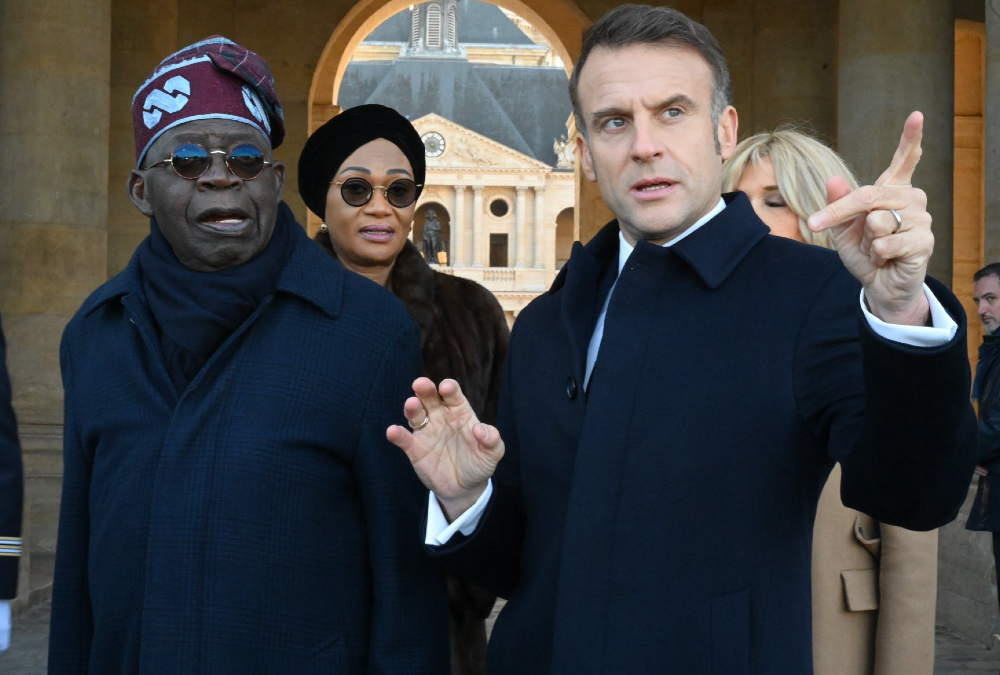
Today, these dynamics are evolving. French President Emmanuel Macron recently hosted Nigeria’s president on a state visit, the first for a Nigerian leader in two decades. The visit reflects France’s efforts to deepen relations with Africa’s most populous country – outside its traditional Francophone sphere.
This shift comes as France’s influence in Africa has waned in recent years. A series of coups since 2020, particularly in the Sahel, have significantly diminished French presence, with Russia stepping into the void.
Military agreements and economic partnerships with several former strongholds have been severed.
Amid these changes, France is leveraging its economic strength to engage with Anglophone and non-traditional African states. In 2023, Nigeria emerged as France’s top trading partner in Africa, followed by South Africa.
The broader context is a renewed scramble for Africa. As Britain and France expand their spheres of influence to counter the growing presence of Russia and China, “middle powers” like Türkiye, India, and Gulf States are also vying for a foothold.
Ultimately, Africa’s future will depend on its ability to prioritize the collective and individual interests of its states amidst this competition.
Fidel Amakye Owusu is an International Relations and Security Analyst. He is an Associate at the Conflict Research Consortium for Africa and has previously hosted an International Affairs program with the Ghana Broadcasting Corporation (GBC). He is passionate about Diplomacy and realizing Africa’s global potential and how the continent should be viewed as part of the global collective.
