
Opinion
Fitch Shakes Africa: Afreximbank Downgrade Fuels Fears Over Future of Intra-African Trade

By Danilo Desiderio
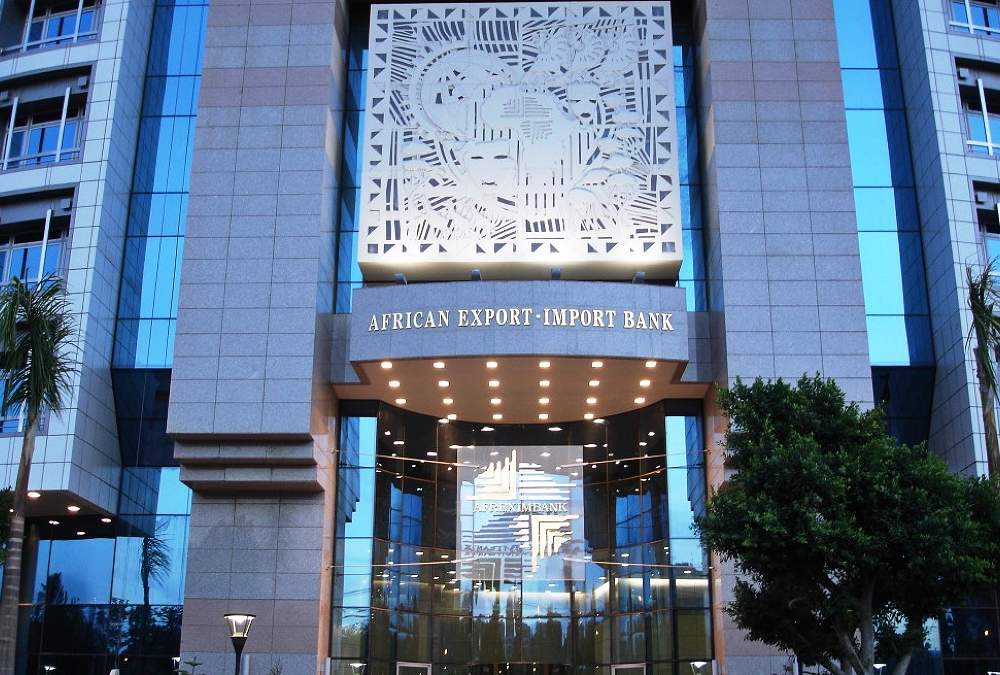
A seismic shift has rocked the African financial landscape. On June 4, global ratings agency Fitch delivered a sharp blow to the continent’s economic aspirations by downgrading the credit rating of the African Export-Import Bank (Afreximbank) to BBB-, bringing one of Africa’s most influential financial institutions dangerously close to junk status.
The downgrade comes at a precarious time for the pan-African lender, which is already grappling with mounting pressures in key markets such as Ghana, Zambia, and Malawi, where it seeks to protect its loan portfolios from restructuring. But the move also raises deeper concerns about the bank’s risk management practices and the transparency of its financial reporting.
Fitch cited “high credit risks and weak risk-management policies” as primary reasons for the downgrade. Of particular concern is the growing divergence between Afreximbank’s official non-performing loan (NPL) figures and those estimated by the ratings agency.
While the bank reported an NPL ratio of just 2.44 percent for the first half of the year, Fitch estimates that figure exceeds 6 percent. This discrepancy largely stems from differing accounting methodologies and Afreximbank’s use of flexibilities under IFRS 9 – the international accounting standard governing financial instruments.
The implications are far-reaching. A lower credit rating translates into higher borrowing costs, which could constrain Afreximbank’s lending capacity and raise the cost of financing across its operations.
More troubling still, Fitch has assigned a negative outlook to the rating, signaling potential further deterioration and the possibility that some of the bank’s sovereign debt could be caught up in broader restructuring efforts.
Such a scenario would not only challenge perceptions of Afreximbank’s strategic importance but also threaten the stability of its core mission: advancing intra-African trade and economic integration.
To date, the bank has remained silent on the downgrade, leaving stakeholders to speculate how it will navigate this new and uncertain terrain. The stakes could hardly be higher for an institution so central to Africa’s economic development agenda.
A Blow to the AfCFTA
Perhaps the most significant fallout from the downgrade lies in its likely impact on the implementation of the African Continental Free Trade Area (AfCFTA), a transformative initiative aimed at creating a single market for goods and services across the continent.
Afreximbank has been instrumental in enabling the AfCFTA, serving as the backbone of two of its most critical mechanisms: the Pan-African Payment and Settlement System (PAPSS) and the AfCFTA Adjustment Fund. These platforms are essential to reducing transaction costs, streamlining cross-border payments, and supporting member states during the transition to free trade.
Now, both face heightened uncertainty. Increased borrowing costs for Afreximbank may compromise the financial sustainability and operational efficiency of these initiatives, potentially slowing progress toward full AfCFTA implementation.
Complications for Continental Transit Reform
The downgrade also casts a shadow over another flagship project: the African Collaborative Transit Guarantee Scheme (AACTGS), a cornerstone of the AfCFTA’s logistics strategy. Designed to reduce the high costs and inefficiencies associated with moving goods across multiple borders, the scheme relies heavily on Afreximbank as the primary guarantor – either directly or through counter-guarantees and reinsurance arrangements with local sureties.
With the bank’s creditworthiness now in question, the cost of providing these guarantees is expected to rise. This could erode the very cost-saving benefits the AACTGS aims to deliver, undermining one of the AfCFTA’s most ambitious infrastructure projects.
Broader Implications for Africa’s Economic Integration
Ultimately, any weakening of Afreximbank’s financial position – or even a perception of instability – poses a major obstacle to Africa’s integration goals. As the continent’s leading trade finance institution, its strength is inextricably linked to the success of regional economic ambitions.
If left unaddressed, the ripple effects of this downgrade could delay the realization of the AfCFTA’s promise: a more connected, competitive, and prosperous Africa.
Danilo Desiderio serves as the CEO of Desiderio Consultants Ltd in Nairobi, Kenya, specializing in African customs, trade, and transport policies. He is a customs and trade expert at the World Bank and a senior associate to the Horn Economic and Social Policy Institute (HESPI).
