
Owusu on Africa
Dynamics that define the strategic importance of Niger and Chad to Great and emerging powers

By Fidel Amakye Owusu
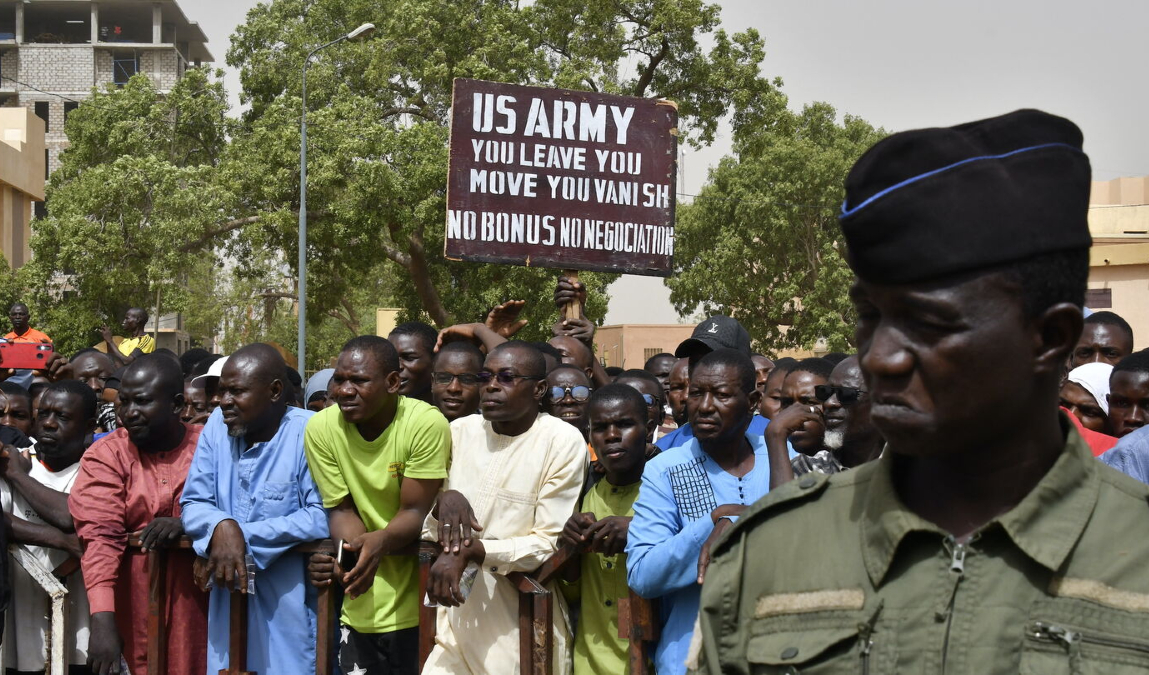
Earlier this week, on Monday, September 16, 2024, the United States announced the complete withdrawal of its military forces and equipment from Niger after months of preparation following its initial decision to exit.
Meanwhile, Hungary has requested that its portion of EU peace funds be redirected towards “Chad’s security,” following its pledge to deploy 200 troops to the country. This move highlights the growing international interest in the region.
Earlier, the U.S. had also confirmed its withdrawal from Chad, a decision made prior to elections that transformed the nation’s leadership from a military government into a nominally civilian one. However, some credible reports suggest that the U.S. may eventually return to Chad.
Simultaneously, Gulf States have shown increasing interest in Chad, and Iran has made notable advances toward Niger in recent months. China also maintains a significant presence in the oil sectors of both countries.
Why does this matter?
The attention drawn to these two nations stems from a variety of factors: their geographic significance in transition zones, their vast natural resources, and their complex demographics. However, several critical dynamics often go unnoticed and are essential for a comprehensive understanding.
Key Dynamics
The international players involved in Chad and Niger can generally be classified into three groups: those with security interests beyond regime protection, those focused on safeguarding the current regimes, and those primarily pursuing economic interests. Though these categories can sometimes overlap, they provide a useful framework for understanding the situation.
First, the ruling governments in both Chad and Niger are highly insecure, and they have reason to be. Chad’s current leader, for instance, is the son of the former president who was killed in battle against rebels. In Niger, the military junta has faced continuous threats since coming to power.
As a result, these regimes prioritize their own survival and are inclined to align with partners who offer regime protection, making them less receptive to actors focused on broader security objectives. In this context, groups like Wagner and other private military companies (PMCs) are more appealing to these governments since they are less likely to object to human rights abuses or governmental overreach.
Hungary’s intentions, despite claims that its troop deployment in Chad could help address migration issues, appear to be aimed at supporting regime protection in the landlocked nation. While there are potential economic benefits through access to natural resources, the region remains highly unstable.
Ultimately, any form of assistance to these nations should prioritize the well-being of their people over the preservation of regimes.
Fidel Amakye Owusu is an International Relations and Security Analyst. He is an Associate at the Conflict Research Consortium for Africa and has previously hosted an International Affairs program with the Ghana Broadcasting Corporation (GBC). He is passionate about Diplomacy and realizing Africa’s global potential and how the continent should be viewed as part of the global collective.
