
Opinion
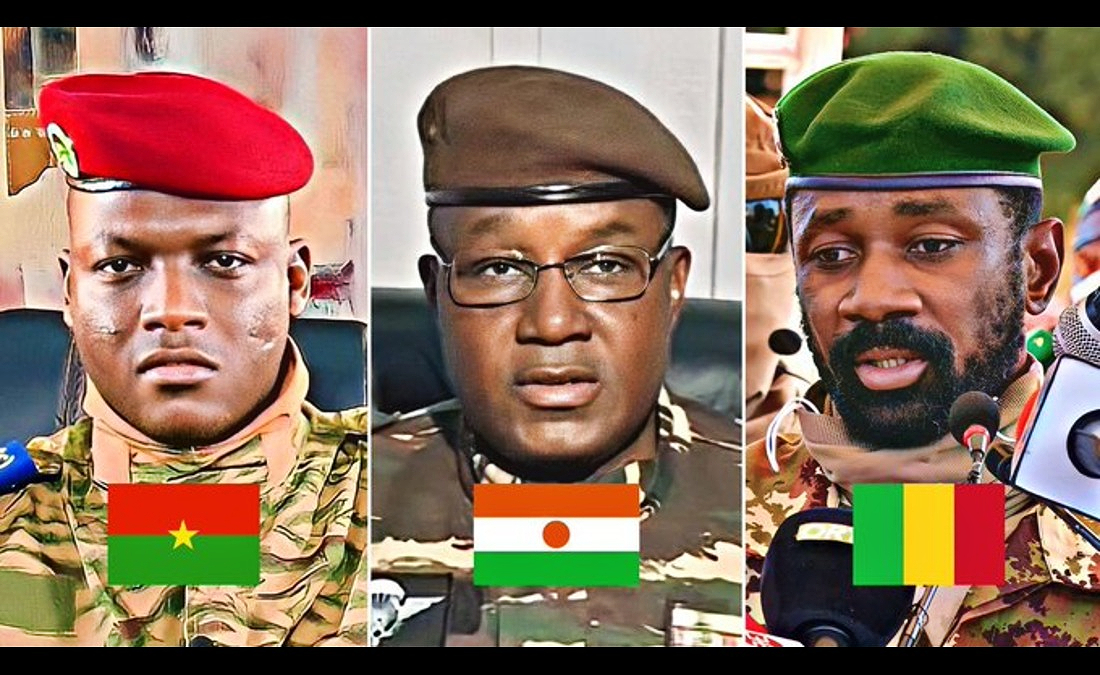
Burkina Faso, Mali, and Niger Exit ECOWAS: A Game-Changer for West Africa

By Dishant Shah
Burkina Faso, Mali, and Niger have officially withdrawn from the Economic Community of West African States (ECOWAS), a decision that reshapes the region’s political and economic landscape.
The three military-led nations accuse the regional bloc of straying from its founding principles, yielding to foreign influence, and failing to support them in their fight against terrorism. Their departure is more than a political statement – it carries significant economic and security implications.
The Economic Fallout
One of the most immediate concerns is trade. In 2022, Nigeria and Niger alone exchanged goods worth US$226 million.
With ECOWAS’ free trade agreements no longer applying, cross-border commerce is likely to face disruptions.
But the broader economic impact could be even more severe. All three nations are landlocked, heavily dependent on neighboring countries for imports and exports.
If ECOWAS imposes trade restrictions, their economies could take a substantial hit. However, given that most African countries maintain bilateral trade relationships outside ECOWAS, the full extent of the consequences remains uncertain.
Currency Stability at Stake
Despite their exit from ECOWAS, Burkina Faso, Mali, and Niger remain part of the West African Economic and Monetary Union (WAEMU), which pegs their currency, the CFA franc, to the Euro with France’s backing.
Leaving WAEMU would force them to establish a new currency – a high-stakes move, as seen in Mauritania’s 1973 exit from the CFA franc, which led to inflation and multiple devaluations. For now, analysts believe these countries will remain within WAEMU, as the financial stability it provides outweighs political grievances.
Security and Military Realignments
These nations are at the epicenter of jihadist insurgencies, and ECOWAS sanctions have only deepened their security challenges. In response, they formed the Alliance of Sahel States (ASS), a military coalition aimed at addressing security threats independently.
This raises pressing questions: Can they secure their borders without regional cooperation? Will they turn to new allies like Russia and China for military support?
And if they do, what will that mean for Western influence in the region?
Political Ramifications
ECOWAS has long played a role in promoting democracy, often pressuring military governments to transition to civilian rule. Without the bloc’s oversight, there is a real risk that these juntas will delay elections, further complicating the region’s democratic future.
At the same time, ECOWAS itself faces a crucial test. If it imposes harsh economic and political penalties on the departing nations, it risks pushing them further toward alternative alliances.
Conversely, a more conciliatory approach might embolden other discontented member states to follow suit.
A Shift in West Africa’s Power Dynamics
This is not just about three countries leaving a regional organization – it signals a shifting balance of power in West Africa. The big question now is whether other nations will reconsider their place within ECOWAS or whether the bloc will respond by reforming and becoming more inclusive.
As tensions rise, West Africa stands at a crossroads. The decisions made in the coming months will determine the region’s economic stability, security framework, and political future.
Dishant Shah is a partner at Legion Exim, a company specializing in facilitating the export of high-quality engineering products directly sourced from manufacturers in India to Africa. His areas of expertise include new business development and business management.
