
Opinion
Benefiting U.S. – Africa Trade via the Tripartite Free Trade Area
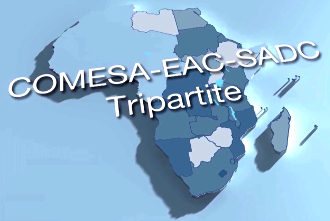
The proposal that has been adopted by the Tripartite Summit is that those countries in an FTA should extend the preferences they offer to first, members of their regional FTA; secondly, to other regional FTAs. For example, all COMESA members implement the COMESA FTA and offer the same preferences to non-COMESA FTA members on a reciprocal basis. EAC and SADC States do the same; and COMESA Non-SADC and EAC members offer members of the Southern Africa Customs Union, Angola and Mozambique duty free, quota free market access for all originating goods on a reciprocal basis.
The Southern Africa Customs Union is the world’s oldest customs union, made up of Botswana, Lesotho, Namibia, South Africa and Swaziland.
If this is done, the Tripartite FTA will be arrived at for all 27 countries in the Tripartite in a shorter period. It is also possible to implement the Tripartite FTA at variable speeds given that some countries may achieve a tariff phase-down to zero tariffs on originating goods faster than other countries, subject to negotiations. It is safe to draw the conclusion that the Tripartite FTA is more of an opportunity than a threat. But to realize that opportunity, we need to reject the “crab in a bucket” mentality and work together for the common good.
It is not a zero-sum game: what is good for our neighbor can be good for all of us. The challenge is to get this message across to the general public, civil servants and private sector. The counter factual to the Tripartite Free Trade Area is a steady spiral downward, another generation of missed opportunities and continuing to bump along the bottom.
