
Owusu on Africa
Angola’s Copper Moment: A Chance to Break the Resource Curse

By Fidel Amakye Owusu
When Angola finally gained independence from Portugal in 1975 – following decades of anti-colonial struggle and a transformative military coup in Lisbon – it stepped not into peace, but into the vortex of the Cold War. What should have been a moment of national rebirth instead ignited a 27-year civil war, one of Africa’s longest and bloodiest conflicts.
Fueled by external powers and financed by the country’s own natural wealth – oil for the MPLA government, diamonds for UNITA rebels – the war turned Angola’s resource abundance into a tragic paradox: immense riches coexisting with profound human suffering.
The consequences were devastating. While global actors played proxy politics on Angolan soil, critical sectors like education, healthcare, and infrastructure withered.
Rural communities bore the brunt of neglect, while urban centers like Luanda became enclaves of elite privilege. Even after peace finally arrived in 2002, the legacy of conflict cast a long shadow.
Despite ranking among Africa’s top three oil producers, Angola has struggled to translate hydrocarbon revenues into broad-based development. Today, the gulf between Luanda’s skyline and the country’s impoverished hinterlands remains one of the continent’s starkest inequalities.
A New Mineral Frontier
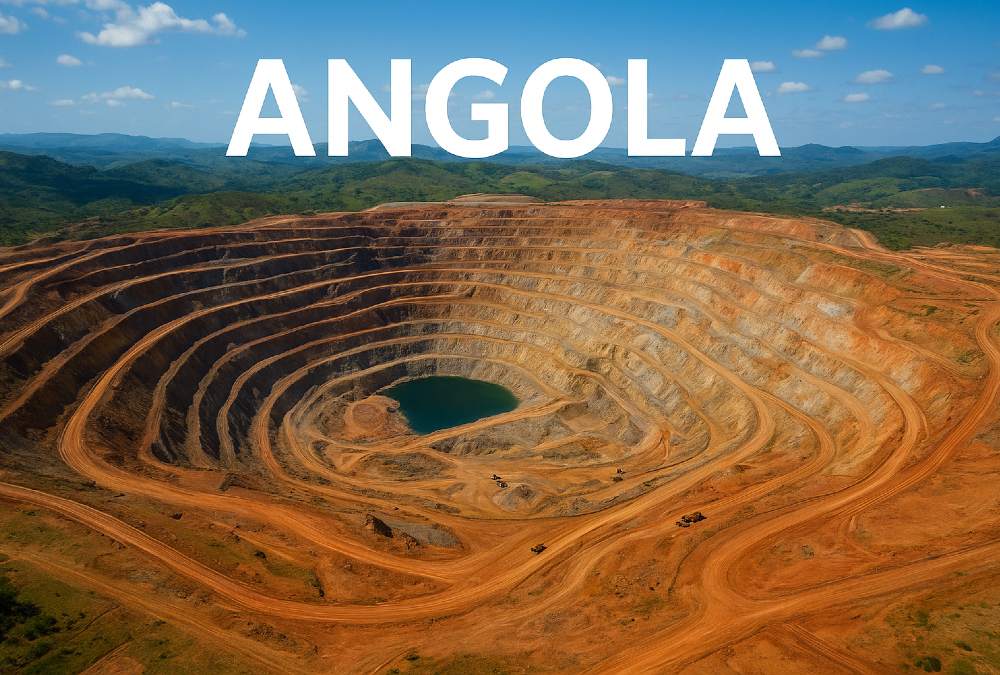
Now, a new chapter is unfolding – one that could either repeat past mistakes or chart a more inclusive path forward. Angola is on the cusp of a copper boom.
Recent discoveries and renewed exploration efforts have positioned the country to become a significant player in the global copper market, a metal increasingly vital for the clean energy transition. But history offers a cautionary tale: mineral wealth alone does not guarantee prosperity.
Without transparent governance, strategic planning, and equitable benefit-sharing, copper risks becoming just another commodity captured by elites or squandered through inefficiency.
This moment demands more than optimism – it requires accountability. The Angolan government must ensure that mining contracts are negotiated with the public interest at their core, resisting the pitfalls of opaque deals and short-term rent-seeking.
In an era of rising resource nationalism across Africa, Angola has both the leverage and the responsibility to secure terms that maximize long-term national value – not just immediate fiscal returns.
From Extraction to Inclusion
Crucially, revenues from copper must be channeled into closing the urban-rural divide: building schools and clinics, electrifying villages, and creating jobs beyond the extractive sector. Angola’s people have waited long enough.
The resources beneath their soil belong to them – not to foreign investors, shadowy intermediaries, or unaccountable officials.
The discovery of copper is not just an economic opportunity; it is a test of Angola’s democratic and developmental maturity. If managed wisely, it could finally help the nation fulfill the promise of its hard-won independence.
If mismanaged, it will be yet another reminder of how easily abundance can become a curse.
The choice is Angola’s to make – and the world is watching.
Fidel Amakye Owusu is an International Relations and Security Analyst. He is an Associate at the Conflict Research Consortium for Africa and has previously hosted an International Affairs program with the Ghana Broadcasting Corporation (GBC). He is passionate about Diplomacy and realizing Africa’s global potential and how the continent should be viewed as part of the global collective.
