
Opinion
Africa’s Livestock Heritage: A Vanishing Treasure with Massive Economic Potential

By John Dale
Africa consumes millions of metric tons of meat annually, yet local production meets only a fraction of that demand. Despite contributing 30 – 50 percent of agricultural gross domestic product (GDP) in many countries – and supporting over 13 million households in Nigeria alone – livestock farming remains underfunded, underprofessionalized, and undervalued.
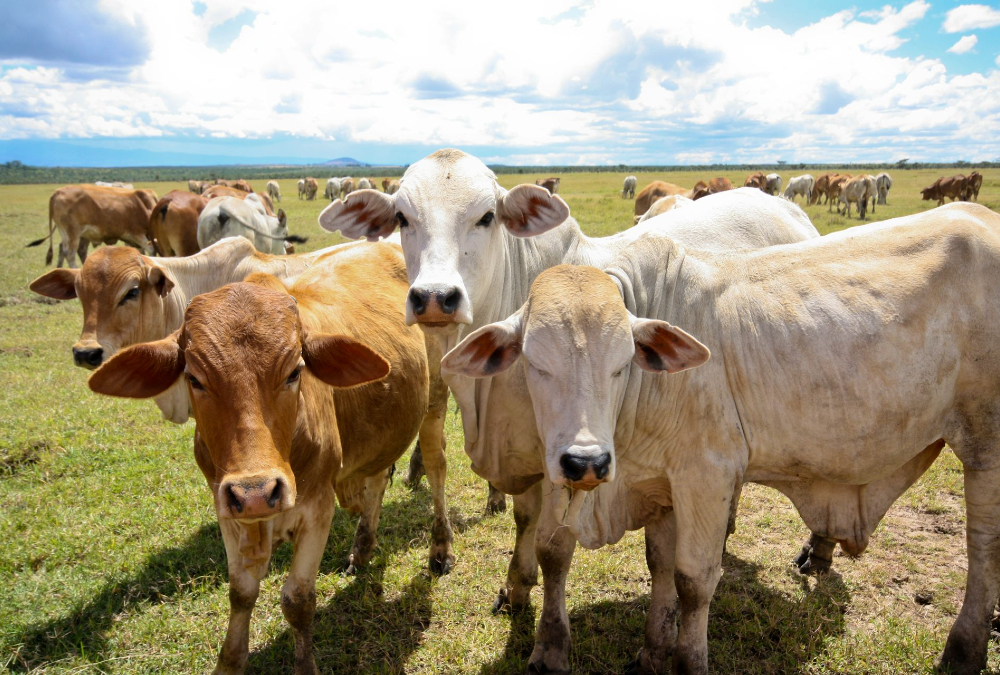
The irony is staggering. Africa is home to more than 350 million cattle, 400 million goats, and nearly 2 billion poultry birds.
Yet the continent still imports billions of dollars’ worth of meat and dairy products each year. A lack of structured value chains, limited access to veterinary services, fragmented markets, and minimal investment in processing infrastructure have left Africa’s livestock sector operating far below its potential – even as the global livestock market tops US$1.5 trillion.
Livestock as a Self-Replicating Asset
Yet within this challenge lies one of the continent’s most overlooked opportunities.
Unlike stocks or real estate, livestock is a self-replicating asset. A single cow can calve annually.
A goat can produce multiple offspring each season. A sow can farrow a litter of piglets in under four months.
In an era of economic volatility, few investments offer such organic, compounding growth – especially for rural households and young entrepreneurs.
The livestock value chain is ripe for innovation and inclusion: from feed production and animal health services to cold-chain logistics, meat processing, and export-ready certification. For African professionals, investors, agripreneurs, and even members of the diaspora, the sector offers scalable entry points that blend profitability with purpose.
Critically, livestock ownership need not be the domain of industrial agribusinesses alone. There is profound power in decentralized, community-based models – where every household, every child, holds a stake.
Imagine gifting your firstborn a goat or a heifer, only to see it multiply by the time your second child is born. That’s not just wealth creation; it’s legacy building.
Reclaiming Heritage, Rebuilding Wealth
Reigniting Africa’s livestock culture isn’t merely an economic imperative – it’s a cultural rescue mission. This tradition carried families through droughts, conflicts, and market shocks for generations.
To let it vanish is to surrender more than GDP; it’s to lose a living archive of resilience, reciprocity, and identity.
The demand is undeniable. The resources are abundant. The opportunity is wide open.
What must not be lost is the vision: to restore livestock not just as an industry, but as heritage – reimagined for a new generation.
John Dale is an agricultural expert, procurement specialist, and export entrepreneur with 20+ years of experience in Nigeria’s agro-commodity value chain. He has deep expertise in farming, sourcing, storage, and international trade of commodities such as cashew, palm oil, ginger, and cocoa. As Co-Founder of Storgit Ltd., an agro-fintech company, he develops innovative solutions for commodity storage, trading, export, and livestock investment. Passionate about reducing post-harvest losses, strengthening procurement systems, and improving export infrastructure, John is dedicated to building a digital, efficient, and inclusive future for African agriculture.
