
Opinion
Africa’s Last Mile: Why Relationships, Not Algorithms, Drive Growth

By Dishant Shah
Across sub-Saharan Africa, the last mile of commerce isn’t a digital platform. It’s a relationship – and the brands that understand this are winning.
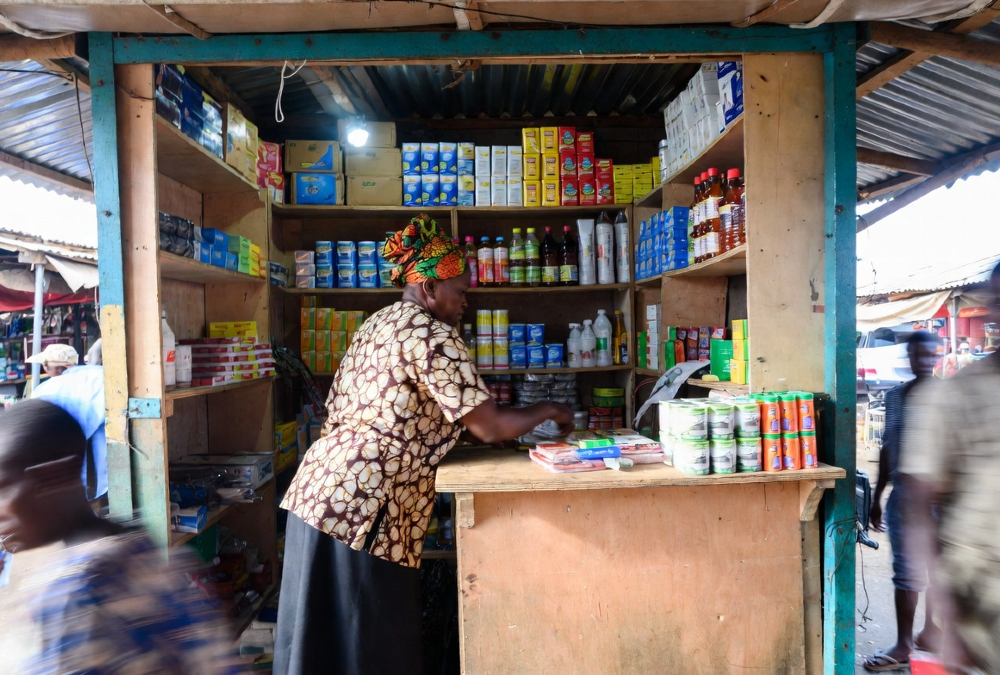
In most of the world’s fastest-growing consumer markets, the last mile isn’t an app. It is a man on a bicycle, a woman behind a wooden counter, and a relationship built over years of showing up on the same day, at the same time, with credit extended on trust rather than a credit score.
Africa’s distribution story is one of the least told in global business. It is also one of the most instructive.
Walk into a modern retail environment in Nairobi, Lagos, or Accra and you will find the usual suspects: supermarkets, forecourt stores, organized chains. They are growing. They matter. But they still account for a fraction of where most people actually buy things on any given day.
The overwhelming majority of fast-moving consumer goods across sub-Saharan Africa move through informal trade. The kiosk. The roadside depot. The open market. The duuka of East Africa. The mama mboga who sells vegetables, but also stocks soap, cooking oil, and mobile airtime – because her customers need all of it, and she is the most trusted person on the street.
Where the Real Engine Runs
To reach these channels, brands do not optimize a digital shelf. They build a salesforce. They define territories. They train distributor partners who themselves hold relationships with hundreds of small outlets.
They extend credit, because the average retailer lacks the capital to purchase a full case upfront. They show up on the same day every week, because consistency is what earns shelf space over a competitor who went dark for three weeks in June.
This is traditional trade marketing. In most Western markets, it is a discipline that has been deprioritized, automated, or handed off to third parties entirely. In Africa, it remains the engine.
The best route-to-market managers in these markets carry knowledge that no dashboard can replicate. They know which outlet owner will push their SKU if offered a modest display incentive.
They know which depot to prioritize before a local festival, when demand spikes sharply and lead times compress. They know where counterfeit product is entering the supply chain, and from which direction.
This is not soft knowledge. It is a hard-edged competitive asset.
Technology Layers On, But Doesn’t Replace
What is striking is that this model has not stood still. Route-to-market technology is beginning to layer onto these older structures.
Startups such as Wasoko and TradeDepot are digitizing the ordering and credit layer for informal retailers. Sales representatives still walk the streets. But the data behind those walks is growing sharper, and the unit economics are slowly beginning to follow.
The model is not broken. It is simply not the one that most business schools spend time on.
The brands winning in African consumer markets understood something early: distribution is not, at its core, a logistics problem. It is a relationships problem. And relationships are built through time, repetition, and presence – none of which can be automated away, at least not yet.
The algorithm, for all its promise, does not stock the shelf. Someone still has to show up.
Dishant Shah is a partner at Legion Exim, a company specializing in facilitating the export of high-quality engineering products directly sourced from manufacturers in India to Africa. His areas of expertise include new business development and business management.
