
Opinion
Africa’s Blue Economy: The Multi-Billion Dollar Economy Opportunity

By Dishant Shah
Africa’s marine resources represent one of the continent’s most overlooked competitive advantages. With sovereign control over 13 million square kilometers (5 million square miles) of ocean – an area larger than China and India combined – Africa possesses extraordinary maritime wealth that remains dramatically underutilized.
These waters contain some of the world’s most productive fisheries, critical shipping lanes connecting three major oceans, untapped offshore wind corridors, and substantial reserves of oil, gas, and rare minerals. The continent’s 47,000-kilometer (29,204-mile) coastline offers immense potential for tourism, transport infrastructure, and international trade.
Yet Africa captures only a fraction of this value, leaving billions of dollars on the table each year.
The Staggering Cost of Inaction
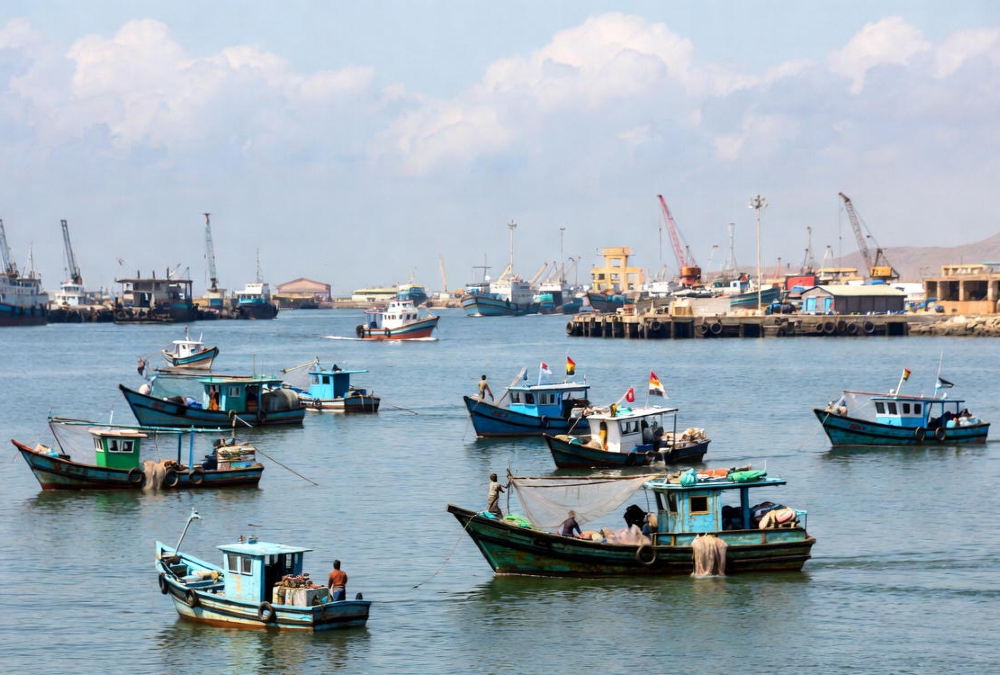
The economic hemorrhaging from Africa’s waters is profound and quantifiable. Illegal, unreported, and unregulated fishing – conducted predominantly by foreign fleets – drains between US$10 billion and US$13 billion annually from African economies.
Weak domestic fish-processing industries cost thousands of jobs that could anchor coastal communities. Meanwhile, inadequate port infrastructure forces major shipping routes to bypass African facilities entirely, forfeiting billions in potential revenue.
This represents more than mere economic loss; it constitutes a structural vulnerability. Value extracted from African waters rarely benefits African people before departing the continent. Coastal communities that should prosper from ocean-based industries instead watch wealth flow elsewhere.
Strategic Blueprint for Maritime Transformation
Reversing this trend requires neither revolutionary technology nor unrealistic capital investment. What Africa needs is deliberate, coordinated strategy across five critical domains.
- First, eliminate illegal fishing through enhanced enforcement.
Satellite monitoring, Automatic Identification System tracking, regional naval coordination, and rigorous licensing regimes can protect African waters and stem value leakage. Technology has made comprehensive maritime surveillance both feasible and affordable. - Second, develop local value chains.
Raw fish exports generate minimal economic multiplier effects. Investments in cold-chain logistics, canning facilities, and processing plants can transform coastal economies by capturing value that currently accrues to foreign processors and distributors. - Third, modernize port and maritime logistics infrastructure.
Africa’s geographic position offers the shortest shipping paths connecting the Atlantic, Indian Ocean, and Mediterranean trade corridors. Yet outdated port facilities and inefficient customs procedures leave this natural advantage unexploited. Strategic infrastructure investment could reposition Africa as a global logistics hub. - Fourth, diversify into emerging offshore sectors.
Aquaculture, marine biotechnology, offshore wind energy, seaweed cultivation, and deep-sea mineral extraction represent growth opportunities largely independent of land-based resource constraints. These industries can provide economic resilience while addressing global demand for sustainable solutions. - Fifth, establish regional ocean governance frameworks.
Individual nations lack sufficient leverage to negotiate favorable terms with international fishing conglomerates and shipping companies. A coordinated “Blue Africa Framework” would strengthen collective bargaining power, reduce exploitation, and align coastal nations around shared maritime interests.
The Path to $405 Billion
The potential returns justify urgent action. According to estimates from the African Union and the United Nations Economic Commission for Africa, Africa’s blue economy could generate US$405 billion annually by 2030 – if properly developed and governed.
This figure reflects not speculative optimism but realistic projections based on resource assessments and international market dynamics.
Several African nations have already demonstrated what effective marine governance can achieve. Morocco has built a thriving fishing industry through strategic investments in processing infrastructure and fleet modernization.
Seychelles has pioneered innovative debt-for-ocean conservation swaps while developing high-value tourism and fisheries. Mauritius has leveraged its maritime location to become a regional shipping and logistics center.
These successes prove that strong ocean governance translates directly into GDP contribution and employment generation.
Claiming Africa’s Maritime Future
Africa’s coastline represents more than geographic circumstance – it embodies a viable growth strategy for the 21st century. As climate change, resource scarcity, and geopolitical competition make oceans increasingly central to global economics, Africa possesses a natural head start that most landlocked regions can only envy.
The question is not whether Africa’s maritime resources hold transformative potential. The evidence overwhelmingly confirms they do.
The question is whether African nations will mobilize the political will, institutional capacity, and regional cooperation necessary to claim this opportunity before it slips away.
Africa’s future prosperity will not come solely from terrestrial resources. The continent’s destiny increasingly lies offshore, in the waters that surround it.
The tide is rising. The only question remaining is whether Africa will rise with it.
Dishant Shah is a partner at Legion Exim, a company specializing in facilitating the export of high-quality engineering products directly sourced from manufacturers in India to Africa. His areas of expertise include new business development and business management.
