
Opinion
Africa Isn’t Falling Behind – The World Is Finally Catching Up

By David Coleman
For decades, Africa has been framed as a continent in need of development – a place “behind” the rest of the world. But what if that narrative is not just outdated, but entirely backward?
What if Africa isn’t the one catching up – but rather, the world is finally catching on?
Across industries and cultures, we are witnessing a quiet rediscovery of African systems, practices, and values – often repackaged as modern innovations, with no mention of their origins.
This isn’t cultural appropriation. It runs deeper.
It’s what some are calling “elegant erasure.
From natural foods to earth-based architecture, from herbal medicine to community living, many of today’s most celebrated trends are rooted in African traditions that have existed for centuries.
- Natural, whole foods are now “clean eating.”
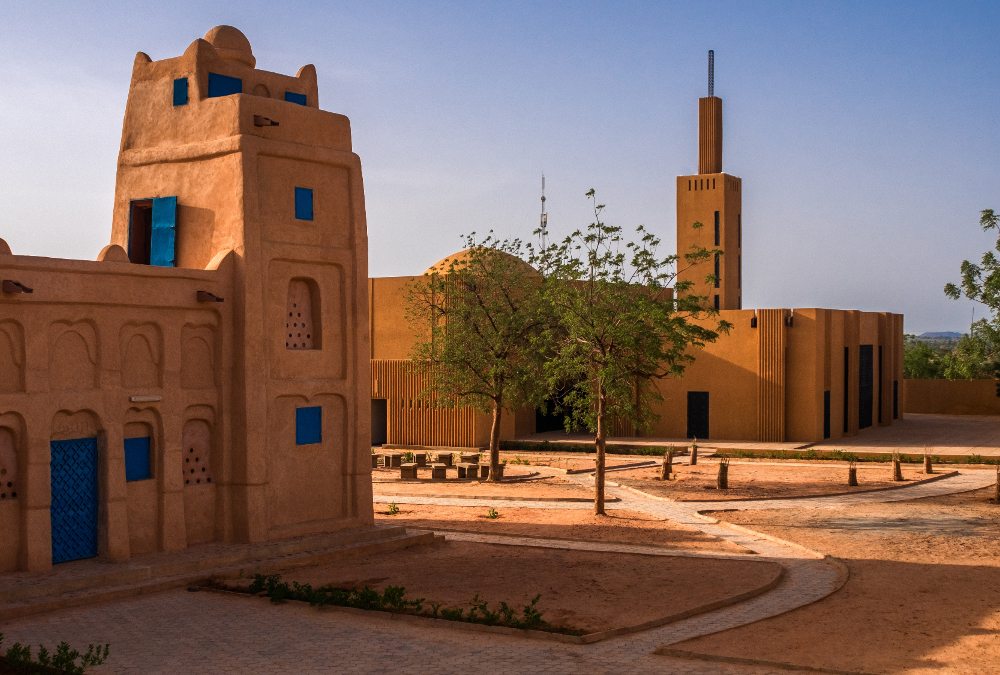
- Earth-based homes are “sustainable architecture.”
- Herbal medicine is “holistic wellness.”
- Circular economies are “regenerative systems.”
- Slow living is a lifestyle movement.
- Elder care is a growing concern.
- Decentralized networks are hailed as tech breakthroughs.
These concepts may sound familiar – because they have long been part of African life.
A Legacy Misunderstood – and Misrepresented
For generations, Africans were told their ways were primitive, unstructured, and inferior. We were told our food wasn’t sophisticated, our languages weren’t professional, our homes weren’t modern.
We were urged to wear suits in 35-degree heat, speak in foreign tongues, and eat imported, processed foods – all in the name of progress.
And many did. Those who could afford it embraced a new identity – one that distanced them from Africa, in order to be accepted by the West.
But while the world built empires on industrialization and endless consumption, it came at a devastating cost: climate collapse, mental health crises, hyper-individualism, digital addiction, exploitative supply chains, and a planet pushed to its limits.
These are the very problems we now scramble to fix – through initiatives like the Sustainable Development Goals (SDGs) – even though many of the solutions have been in Africa all along.
Reclaiming the Future by Reconnecting with the Past
Colonialism didn’t just take land and resources – it severed us from our own history. It made us ashamed of who we were.
But if the world is turning back to what Africa has always known, then Africa has nothing to catch up to. We don’t need to become like them.
We need to become like ourselves – again.
There is power in knowing who you are. There is opportunity in reclaiming what was lost. And there is dignity in valuing what we were once taught to reject.
David Coleman is a seasoned marketing leader with over two decades of experience driving growth at the nexus of brand strategy, platform innovation, and customer success. With a proven track record in repositioning brands, reengineering business processes, and expanding markets through data-driven strategy and creative execution, he is known for his strategic vision and ability to lead teams to peak performance. Passionate about local insight and cultural relevance, Coleman champions solutions that empower impactful, homegrown enterprises – particularly across Africa. He remains deeply engaged in uncovering overlooked narratives that shape businesses and economies on the continent, informing smarter and more contextually grounded strategies.
