
Opinion
Why Global Brands Keep Failing in East Africa – And How to Get It Right

By Farouk Mark Mukiibi
On the bustling streets of Nairobi, Kampala, and Dar es Salaam, the retail landscape pulses with a rhythm all its own – one that global brands often hear but rarely understand.
Over the past decade, multinational retailers like Shoprite and Game, both South African powerhouses, alongside Western franchises such as Planet Yogurt, have entered East Africa with bold promises, deep pockets, and meticulously crafted strategies. Yet, one by one, they’ve faltered – some retreating entirely, others shrinking their ambitions.
At first glance, the reasons seem straightforward: poor infrastructure, stiff local competition, low average incomes. But these are not root causes.
They are symptoms of a deeper misalignment – one that isn’t logistical, but cultural.
The real reason global brands stumble in East Africa isn’t a lack of capital or strategy. It’s a failure to recognize the invisible infrastructure that powers commerce across the region: the informal networks, social trust, and community rhythms that define how people buy, share, and believe.
The Myth of Scale Without Sync
Multinational retailers operate on the assumption that scale is scalable. Open more stores, lower prices, increase visibility – repeat.
But in East Africa, this playbook breaks down.
Take Game. The retailer bet on volume and affordability, but underestimated how much purchasing decisions are driven by social proof – what neighbors recommend, what’s trending in WhatsApp groups, what the local boda boda rider can deliver by noon.
In a region where word-of-mouth moves faster than advertising, being big doesn’t mean being trusted.
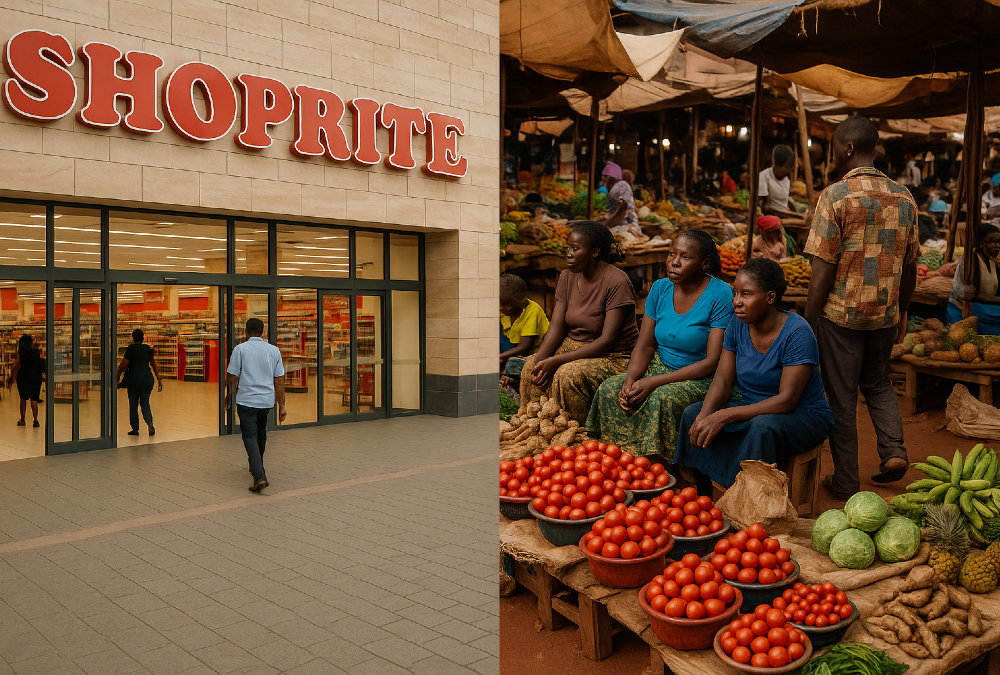
Shoprite, for all its efficiency, never embedded itself in the rituals of East African food culture. It offered imported goods at competitive prices, but failed to reflect the tastes, timing, and traditions of daily shopping – like the importance of fresh produce, credit arrangements, or weekend family outings to the market.
Price alone can’t replace cultural fluency.
And Planet Yogurt, a premium Western concept, sold aspiration. But aspiration doesn’t drive daily volume.
What does? Routine.
The after-school snack, the office treat, the weekend indulgence – all shaped by local habits, not global trends. Without adapting to the rhythm of everyday life, even the trendiest brand becomes a novelty that fades.
Even Nakumatt, once East Africa’s most dominant homegrown supermarket chain, collapsed not because of empty shelves, but because it lost its emotional contract with customers. As it expanded, it grew impersonal, inconsistent, and out of step with the pace of its communities.
When consumers stopped feeling seen, they stopped showing up.
The Hidden Architecture of Trust
In East Africa, trust isn’t built through billboards or loyalty cards. It’s built through proximity, repetition, and presence.
A vendor on the sidewalk knows your name. The kiosk owner extends credit because your mother shops there too. The boda boda rider delivers your order not just because he’s paid, but because he’s part of your neighborhood’s ecosystem.
This informal infrastructure – the web of relationships, reciprocity, and local knowledge – is the true engine of commerce. And it’s largely invisible to corporate strategists analyzing spreadsheets in Johannesburg or London.
Global brands often mistake visibility for belonging. They assume that because they’re present in the market, they’re part of it. But presence without participation is just noise.
The Cost of Cultural Translation
The gap isn’t linguistic – it’s behavioral. It’s the difference between selling to a market and living within it.
East African consumers don’t just buy products. They buy signals: Is this brand consistent? Does it respect my time? Does it understand my community?
When brands ignore these nuances, their strategies become sterile – or worse, self-sabotaging. A flashy campaign may trend for a week, but without sustained, culturally grounded engagement, it leaves no lasting footprint.
The Path Forward: Humility Over Hubris
The lesson isn’t that East Africa is too hard to crack. It’s that it refuses to be cracked – by force, by formula, or by foreign logic.
True success here doesn’t come from conquering the market. It comes from submitting to its complexity.
Winning brands will be those that practice humility over hubris, that prioritize local insight over global templates, and that build not just above the line, but inside the line – in the informal spaces where commerce and culture intersect.
They will partner with local distributors who know the backstreets. They will listen to community leaders, not just market data.
They will design for micro-rhythms, not macro-assumptions – because a product that sells in Kibera may not resonate in Kisumu, even if they are 360 kilometers apart.
Business Is Not a Battlefield – It’s Choreography
In East Africa, commerce isn’t a war to be won. It’s a dance to be learned.
Every neighborhood has its own tempo. Every culture has its own cues.
And only those who take the time to learn the steps – listening before leading, adapting before expanding – will earn the right to move forward.
For global brands, the future in East Africa isn’t about scale. It’s about sync.
Because here, business isn’t just about what you sell. It’s about how you belong.
Farouk Mark Mukiibi is a marketing consultant, retail brand strategist, and East African market specialist based in Kampala, Uganda. He leverages deep expertise in brand relevance, consumer behavior, and strategic transformation to help international brands, real estate developers, and emerging ventures navigate the complexities of East Africa’s evolving middle class, shifting consumer loyalties, housing dynamics, and pricing challenges. Read the original article.
