
Alorh’s eye on the Motherland
The East War and Africa

By Mary Alorh
In Ghanaian parlance, there is a saying: “When two elephants fight, it is the ground that suffers.” This proverb rings true in light of recent conflicts in Europe and the Middle East, illustrating how the actions of states can have far-reaching consequences.
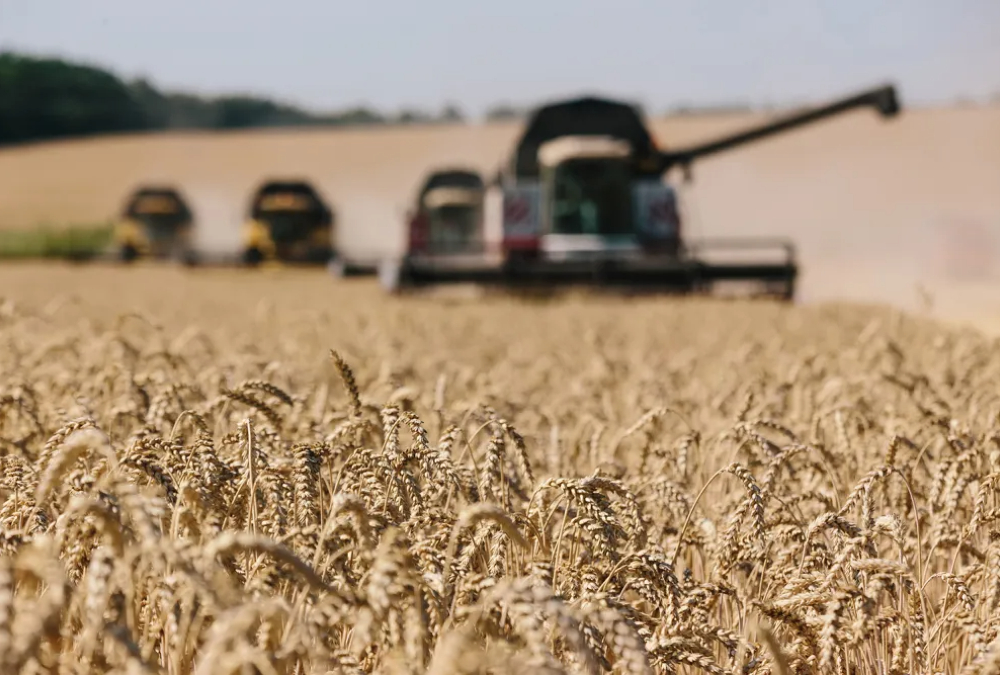
In 2022, at the onset of the Russia-Ukraine war, food prices soared in Africa, particularly for staples like bread. This was due to the disruption of key imports such as wheat and grains from Ukraine, a critical supplier to many African nations. The blockade on Ukrainian exports rippled through African economies, highlighting the interconnectedness of the global supply chain.
More recently, the events of October 7, 2023, in the Gaza Strip have triggered a major shift in both security and geopolitics, not only in the Middle East but across the globe. What began as a ‘proxy war’ has escalated into a full-blown conflict involving nations such as Israel, Palestine, Lebanon, Iran, and Yemen. As a result, many civilians have been displaced, with residential areas becoming targets of the violence.
In Middle Eastern culture, domestic workers, often women, play a significant role in supporting households. These workers, primarily migrants, are paid minimal wages, but this income is vital for them to send back to their families.
In Lebanon, for example, around 70 percent of domestic workers are Ethiopian. Their presence in the region dates back to the 1970s and 1980s, yet despite their long history of service, they remain outside the protection of labor laws, governed instead by the Kafala or sponsorship system.
This system leaves them vulnerable, especially during times of conflict, as they cannot seek legal protection. Finding shelter becomes even more challenging as these migrants, labeled “ajnabi“, the Arabic word for “foreigner”, are often turned away from shelters.
Similarly, during the Ukraine war, African migrants and students were denied access to trains and buses while attempting to flee, left exposed to harsh weather conditions simply because they were not seen as a priority.
The responsibility for protecting these workers rests with their home countries. Nations like the Philippines, which have regulated migration systems, can trace their citizens more easily during crises. In contrast, African countries such as Ghana, Kenya, and Ethiopia, with less regulated migration systems, are relying on social media to locate and assist their citizens. Ghana, for instance, has set up a special assistance line at its consulate in Beirut, Lebanon, and a help desk at the Ghanaian Embassy in Cairo, Egypt.
Non-governmental organizations, particularly churches, deserve immense gratitude for their tireless efforts to support these stranded migrants. These wars have laid bare the stark inequalities and ongoing racial discrimination in our so-called globalized world.
As nations become increasingly interconnected, the actions of one state inevitably affect others, underscoring the complex and often unfair dynamics of globalization.
Mary Alorh is Director of Administration at DefSEC Analytics Africa Ltd., and is an expert in Gender, Youth, and Peace & Security initiatives in West Africa.
