
Alorh’s eye on the Motherland
Africa’s Anti-Western Turn
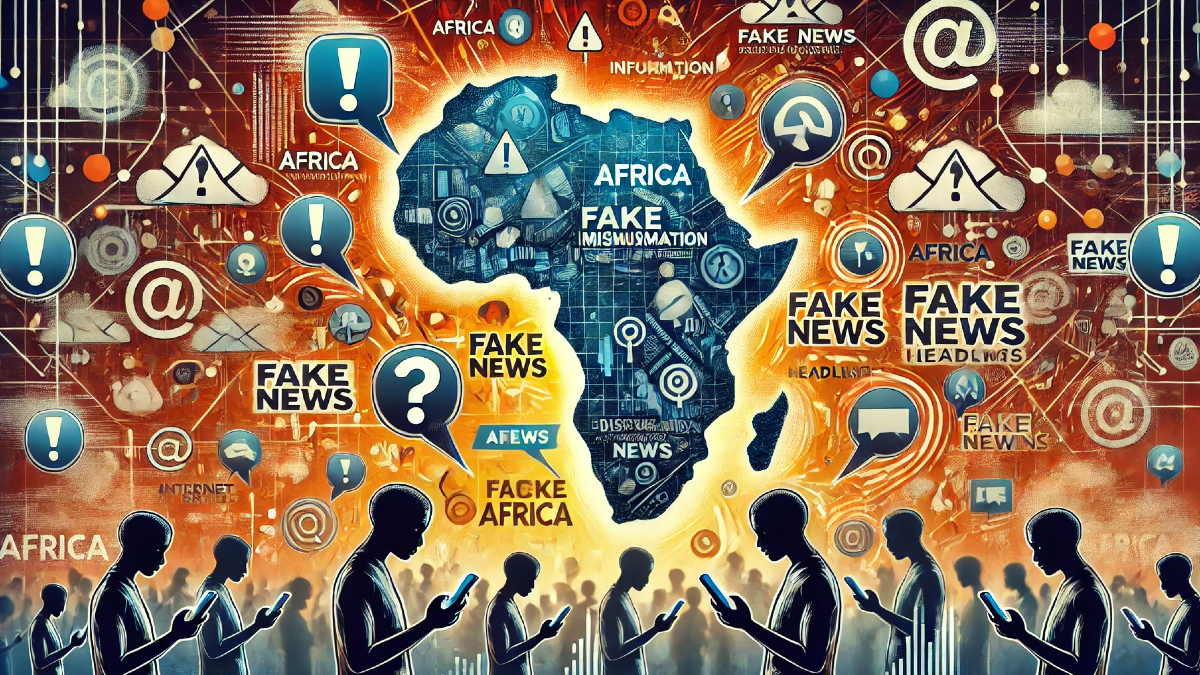

The anti-Western ideology gaining ground on the continent of Africa was in the beginning seen as something that was not going to gain momentum, especially in an era where the continent was gaining ground in Western principles such as democracy, rule of law, human rights, etc.
The conflicting information about the COVID-19 pandemic, due to disinformation and misinformation, led to conflicting information not only in Africa but around the globe, which led to most people abandoning recommended practices and health recommendations.
In Africa, especially sub-Saharan Africa, disinformation has always existed and became very rampant in the 1990s when most countries were transitioning from coups to democratic rule. For example, in the 1990s, the media was controlled or part of the government until the ushering in of Ghana’s 4th republic with the 1992 constitution, which recommended the opening up of the space for transparency in the media space in Ghana.
Before the 1992 constitution, Ghanaians had to rely on parallel communication through music, satire (key soap concert party), etc., to support political struggles. As of 2022, the continent had more than 384 million social media users, with around 570 million internet users.
With the proliferation of AI, the continent has recorded numerous misinformation and disinformation campaigns, and governments are spending huge sums of money to achieve desired results and outcomes on this campaign with fact-checking as a key tool.
In election seasons, politicians spend more resources fighting misinformation and disinformation targeted at smearing their campaign. In Ghana, the two main political parties, the NPP and NDC, each day battle a series of fake news that seek to discredit their campaigns in social media platforms and mainstream media. This has indeed come at a huge cost to both parties in the election campaign seasons.
With diverse political interests and ideologies, existing beliefs that ruling parties get the support of electoral bodies and have the machinery to manipulate election results as incumbents leads to insecurity.
One of the common tools in the hands of the government now is how often they shut down the internet. In 2020, during the hashtag#EndSARS protest in Nigeria, the government decided to shut down the internet in the name of spiking rumors.
The government shut down the internet during Benin’s election in 2019, and in Ethiopia, during the Tigray war in 2022, the government shut down the internet for millions of citizens for almost two years.
About 60% of misinformation in Africa comes from China, Russia, the UAE, etc., and it has the potential to destabilize and have undemocratic consequences on the continent. This is already happening, looking at the coups and military governments on the continent.
Strengthening institutions is vital for African governments to enhance democratic governance and curb the spread of misinformation.
Mary Alorh is Director of Administration at DefSEC Analytics Africa Ltd., and is an expert in Gender, Youth, and Peace & Security initiatives in West Africa.
