
Alorh’s eye on the Motherland
Decolonizing colonies: France’s heritage
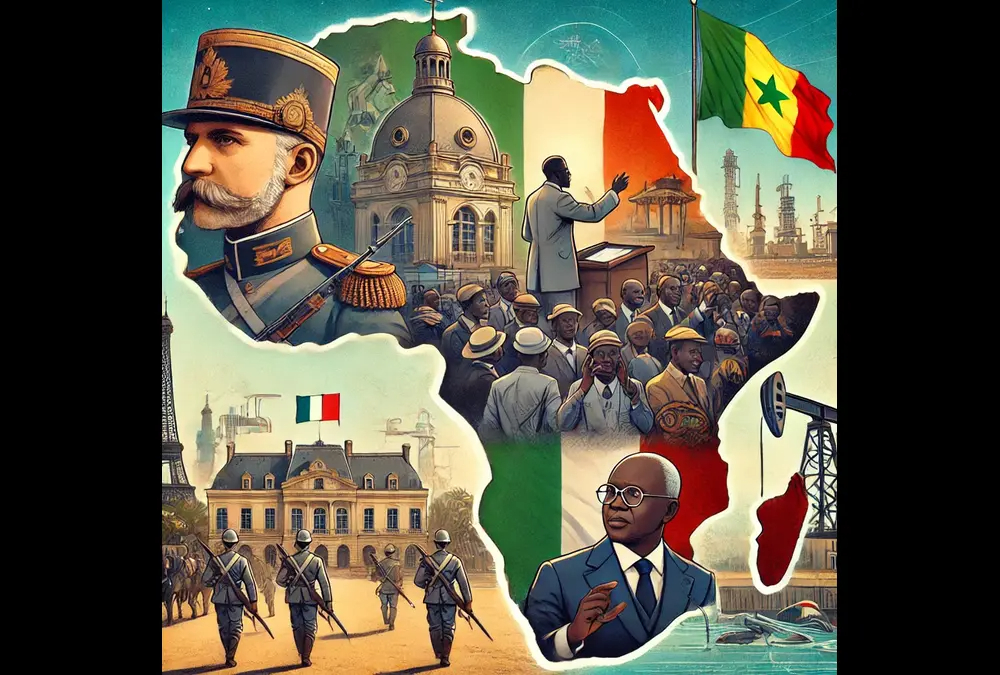

By Mary Alorh
The recent developments in Chad and Senegal regarding French military bases have sparked important discussions about the relationship between France and its former colonies. To understand the context of these events, it is essential to examine the historical background of French colonialism in Africa.
The Legacy of French Colonialism in Africa
During the colonial period, French colonies were treated as overseas provinces, with Senegal being one of the key territories. The French implemented a policy of assimilation, particularly in Senegal, with the aim of transforming the indigenous Senegalese population into “Frenchmen” by integrating them into French education, politics, language, and culture.
Cities like St. Louis, Gorée, Rufisque, and Dakar became focal points of this effort.
The Role of Senegal in French Politics
Senegal was also represented in the French Chamber of Deputies, the legislative body where laws, taxes, and other issues were discussed. Blaise Diagne, elected in 1914, became the first Black deputy in the French Chamber. He advocated for the extension of French citizenship to the Senegalese population, pushing for greater integration within the French political system.
Resistance to Assimilation and the Rise of Negritude
However, the policy of assimilation was met with resistance. Many Senegalese communities saw it as a threat to their cultural identity.
The imposition of French values and the rejection of traditional Senegalese practices led to a growing sense of cultural loss among the people. At the same time, African and Caribbean students in France, feeling isolated and disconnected from their African roots, formed the Negritude movement in the 1930s.
Negritude sought to reclaim African culture and identity, challenging the assimilationist policies of the French government. One of its key founders, Léopold Sédar Senghor, would later become the first president of Senegal.
Cultural Revival and Political Activism
Senghor’s poetry, particularly his work “NAETT,” expressed a profound love for Africa and its heritage. As president, he championed the preservation and promotion of African cultural identity, launching initiatives like the 1966 World Festival of Negro Arts.
These cultural programs aimed to celebrate African heritage and foster a sense of pride among Senegalese and other Africans. In contemporary political activism, murals and large-scale sculptures have become prominent tools for social, political, and community engagement, continuing the legacy of challenging political and cultural dominance.
Post-Independence France-Africa Relations
Following independence, France maintained its influence over former colonies through military agreements, economic ties, the CFA franc currency, and investment arrangements. These structures were often designed to benefit France more than the developing nations, perpetuating a power imbalance.
Despite this, many post-independence governments, including Senegal’s, have maintained these partnerships. However, the emergence of dynamic, younger leadership, such as that of President Macky Sall, who has advocated for “greater sovereignty” and a reassessment of Senegal’s relationship with former colonial powers, is reshaping the political landscape.
Under this leadership, Senegal is renegotiating contracts in key sectors, such as oil and gas, in an effort to ensure that the benefits of these industries are more equitably shared by the Senegalese people. While Senegal continues to uphold democratic principles and Western values, the country is increasingly asserting its autonomy in matters of foreign policy, security, and economic development.
Criticism of France’s Policies in Africa
France’s policies, especially in security and economic spheres, have been criticized for failing to adequately address the needs and aspirations of the citizens in its former African colonies.
Mary Alorh is Director of Administration at DefSEC Analytics Africa Ltd., and is an expert in Gender, Youth, and Peace & Security initiatives in West Africa.
