
Alorh’s eye on the Motherland
Africa’s Post-Pandemic Economies
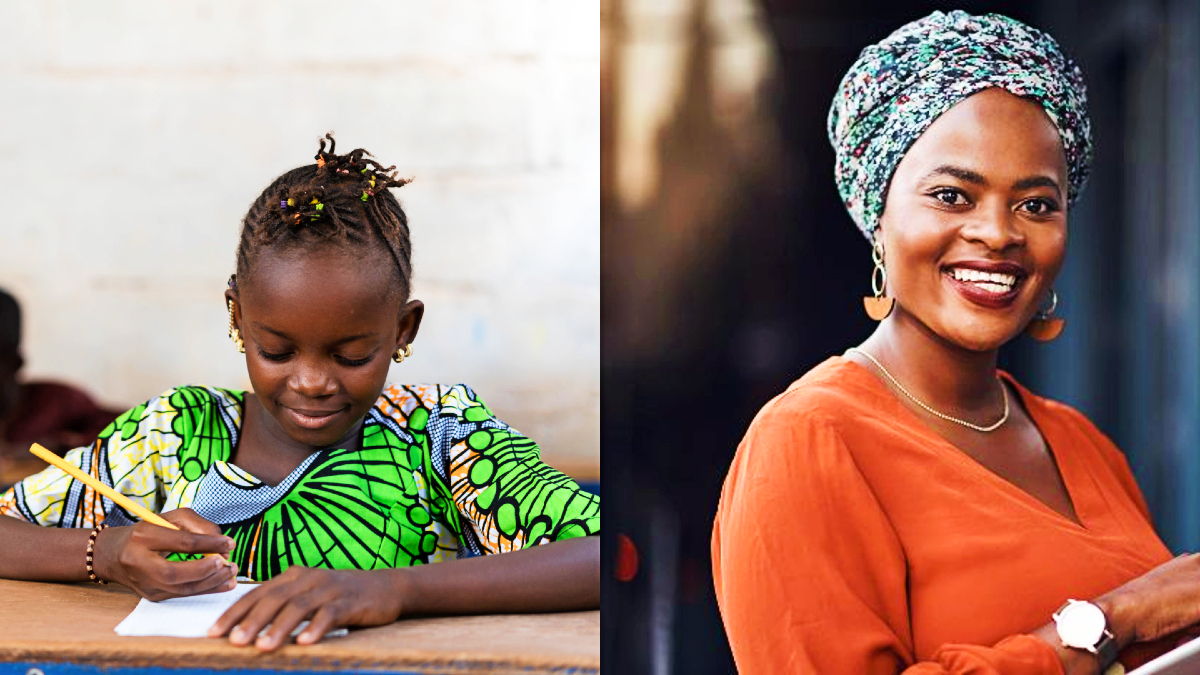
 African countries after the COVID pandemic are setting themselves to achieve better economic growth. Africa’s collective GDP was $1.3 trillion in 2022, but the female population contributed only about 10%.
Africa’s economic growth and development require an all-hands-on-deck approach, including the young population, especially women and girls.
We celebrated the International Day to End Violence Against Women and Girls on November 25th. The day also begins the 16 Days of Activism campaign that unites and mobilizes international civil society to advocate for the unconditional elimination of gender-based violence.
But how do you translate the success of this activism into tangible results in this difficult period of wars and conflicts across the continent and the globe, which is exacerbating the plight of women and girls?
Reports from the neglected war in Sudan indicate women and girls are violated in these hardship conditions. The increasing rate of poverty continues to worsen the plight of these women and girls who find themselves in crisis and violent conditions.
How is this possible?
The rate at which girls are dropping out of school is alarming, and this has the potential to limit their ability to achieve full potential and economic empowerment for development.
The Ghanaian educationist and pan-Africanist Dr. James Kwegyir Aggrey said, ‘If you educate a man, you educate an individual, but if you educate a woman, you educate a whole nation.’
These girls dropping out of school are being married off for financial gain by their families, and this is a major setback to ending violence against women and girls.
Early pregnancy often marks the end of a girl’s education, leading to limited economic opportunities and a lifetime of economic hardship.
The development of every country is at the early stages of children’s education, including girls. The productivity and economic well-being of women can really increase the GDP and economies of various countries.
Dignity and the fundamental well-being of women and girls can only be achieved through education. Across Africa, millions of girls are forced into early marriage before reaching the age of 18, undermining their rights, education, and future prospects.
The Ghanaian educationist and pan-Africanist Dr. James Kwegyir Aggrey said, ‘If you educate a man, you educate an individual, but if you educate a woman, you educate a whole nation.’
Despite progress from countries like Sierra Leone in banning child marriages, recent violence in countries like Mozambique is leading to a rise in child marriages in the various affected communities.
Every 30 seconds, a girl is married off. Africa is home to 8 of the 10 countries with the highest child marriage rates, including Chad, CAR, and South Sudan.
Growing insecurities, conflicts, and increasing poverty rates have made the gains over the years insignificant. It is therefore imperative for a collective approach to mitigate this menace of child marriages leading to gender-based violence.
Mary Alorh is Director of Administration at DefSEC Analytics Africa Ltd., and is an expert in Gender, Youth, and Peace & Security initiatives in West Africa.
