
Alorh’s eye on the Motherland
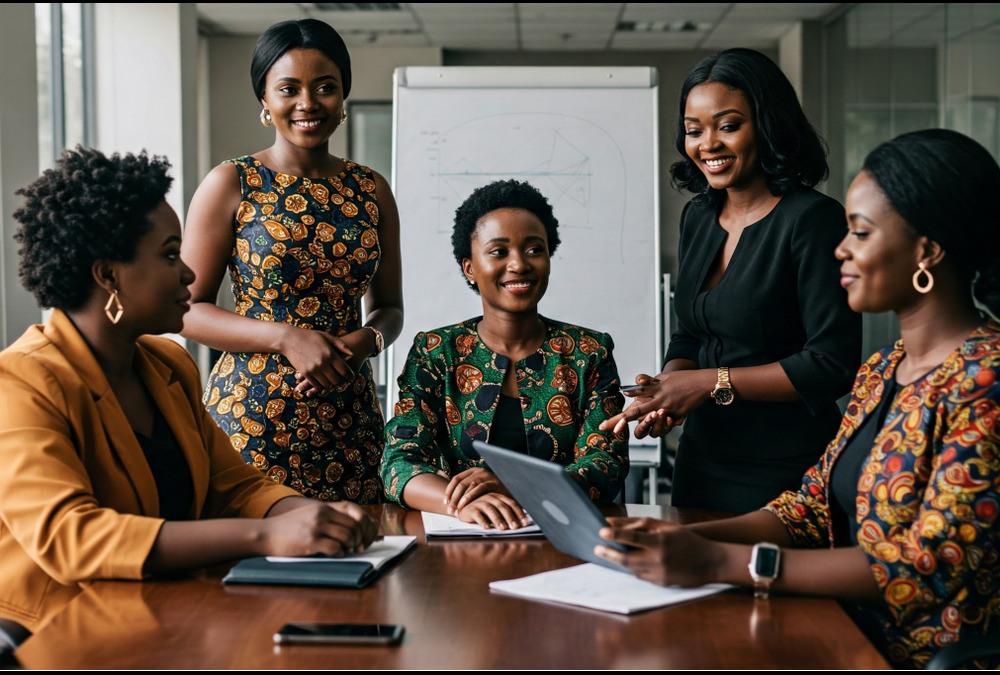
International Women’s Day: A Call to Action for Gender Equality
By Mary Alorh
Since its inception in 1911, International Women’s Day has served as a powerful platform for advocacy and change. In 2025, this global celebration carries an even greater sense of urgency – a collective call to accelerate progress toward true gender equality.
Despite decades of progress, significant barriers continue to hinder women’s development. Achieving gender equality requires a united and sustained effort from individuals, organizations, and policymakers worldwide.
Addressing Critical Challenges: Health, Safety, and Education
Gender equality is a fundamental human right, yet millions of women still face systemic discrimination, alarming levels of violence, and critical health disparities. According to the World Health Organization, approximately 287,000 women die annually from pregnancy-related complications, with sub-Saharan Africa experiencing disproportionately high maternal mortality rates.
South Sudan, for example, has the highest maternal mortality rate in the world, with 1,223 deaths per 100,000 live births. Ensuring access to safe childbirth and quality healthcare is not just a necessity – it’s a moral imperative.
Violence against women and girls remains one of the most pressing human rights crises of our time. An estimated 736 million women – nearly one in three – have experienced sexual violence or assault.
This staggering reality demands immediate, global action to protect and uphold the dignity, safety, and rights of women everywhere.
Education is another crucial battleground. UNESCO reports that 122 million girls worldwide are denied access to education, robbing them of opportunities for economic independence and social empowerment. Addressing this disparity is key to breaking cycles of poverty and fostering sustainable development.
Uniting for Change: The Power of Collective Action
To drive meaningful change, we must empower those leading the charge – grassroots advocates, policymakers, educators, and organizations fighting for women’s rights. By standing in solidarity and amplifying their impact, we can create a more just, equitable world.
The movement for gender equality transcends borders, age, and background. Every individual has the power to contribute, whether by challenging biases, supporting initiatives, or advocating for policies that uplift women and girls. Together, we can transform the vision of gender equality into reality.
Mary Alorh is Director of Administration at DefSEC Analytics Africa Ltd., and is an expert in Gender, Youth, and Peace & Security initiatives in West Africa.
