
Alorh’s eye on the Motherland
Geopolitics of territories: Horn Region

By Mary Alorh
Former Ghanaian President John Evans Atta Mills’ neutral stance during the 2010 Ivorian crisis was a strategic move. When then-opposition leader Nana Akufo Addo urged Mills to take a side, Mills famously responded with “Dzi wo fie Asem” (which means “Mind your own business” in the Fante dialect).
This decision prioritized regional stability and cooperation, ultimately strengthening the relationship between Ghana and Ivory Coast. The mutual respect and cooperation forged during this period continue to benefit both nations today.
In contrast, Ethiopia’s decision to recognize Somaliland, and subsequently sign deals and treaties despite Somalia’s objections, has created tensions. In 2018, Ethiopia, a landlocked country, purchased shares in DP World’s port in Somaliland, an unrecognized territory of Somalia located on the southern coast of the Gulf of Aden.
By early 2024, Somaliland and Ethiopia signed a 50-year agreement, granting Ethiopia access to water bodies and the opportunity to build a naval base and commercial port along 19 kilometers (12 miles) of Somaliland’s Red Sea coastline. In return, Ethiopia committed to recognizing Somaliland’s statehood. This move has left Somalia feeling vulnerable, particularly since Somaliland’s quest for recognition has long been a contentious issue.
Somalia, grappling with internal security challenges, including the ongoing threat of the al-Shabaab insurgency, views any state supporting Somaliland as an adversary. As a result, Somalia sought a powerful ally in Egypt, which has its own unresolved disputes with Ethiopia regarding the Grand Ethiopian Renaissance Dam (GERD) on the Blue Nile. Egypt, which relies heavily on the Nile for its water supply, feels threatened by Ethiopia’s control over the dam. Since 2020, the lack of an agreement on GERD’s operation has heightened tensions, as Ethiopia disputes Egypt’s historical claims to the Nile’s waters based on outdated treaties from 1929 and 1959.
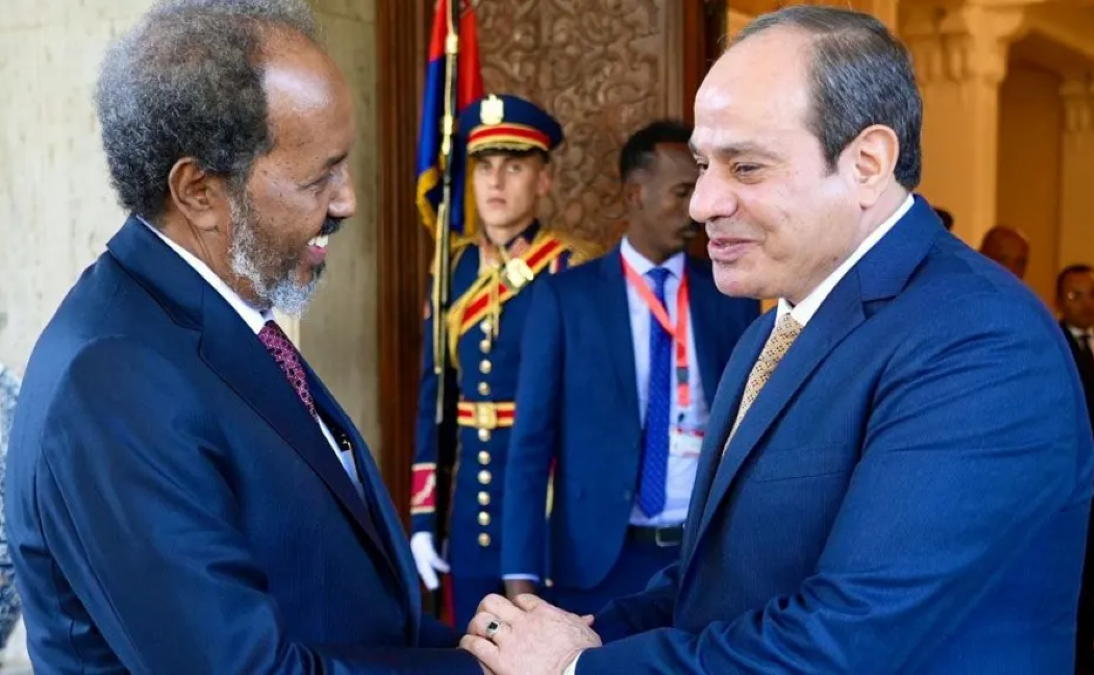
In anticipation of a growing threat from Ethiopia’s naval ambitions, Somalia signed a defense pact with Egypt. Egyptian troops have been deployed under both an African Union peacekeeping mandate and a bilateral agreement with Somalia’s government. Egypt views Ethiopia’s newfound access to the Red Sea and potential maritime power as a direct threat to its national security and the strategic importance of the Suez Canal.
Meanwhile, Somaliland perceives Egypt’s military presence as an interference and a threat to the Horn of Africa’s security. It seeks to counter Ethiopia’s dominance in Somalia and challenge the existing power dynamics in the region. With Ethiopia prepared to defend its interests and Somalia aligning with Ethiopian rebels, the security situation in the Horn of Africa is likely to deteriorate, increasing the risk of regional conflict.
Mary Alorh is Director of Administration at DefSEC Analytics Africa Ltd., and is an expert in Gender, Youth, and Peace & Security initiatives in West Africa.
