
Alorh’s eye on the Motherland
Partnership and Progress : The African Development Bank’s Journey

By Mary Alorh
The founding leaders of modern African nations had a clear vision for Africa’s development. Figures like Jomo Kenyatta and Sekou Touré prioritized infrastructure as a key element in this progress. A famous quote from Kwame Nkrumah, “The black man is capable of managing his own affairs,” encapsulated their belief in African self-reliance and the importance of independence. These leaders were committed to the idea that Africans could govern and shape their own future without external control.
To support this vision, there was a need for a financial institution dedicated to the continent’s economic and social development. This led to the creation of the African Development Bank (AfDB) in 1964. The concept for the bank was championed by three key African leaders in 1958: Kwame Nkrumah of Ghana, President William Tubman of Liberia, and President Sekou Touré of Guinea.
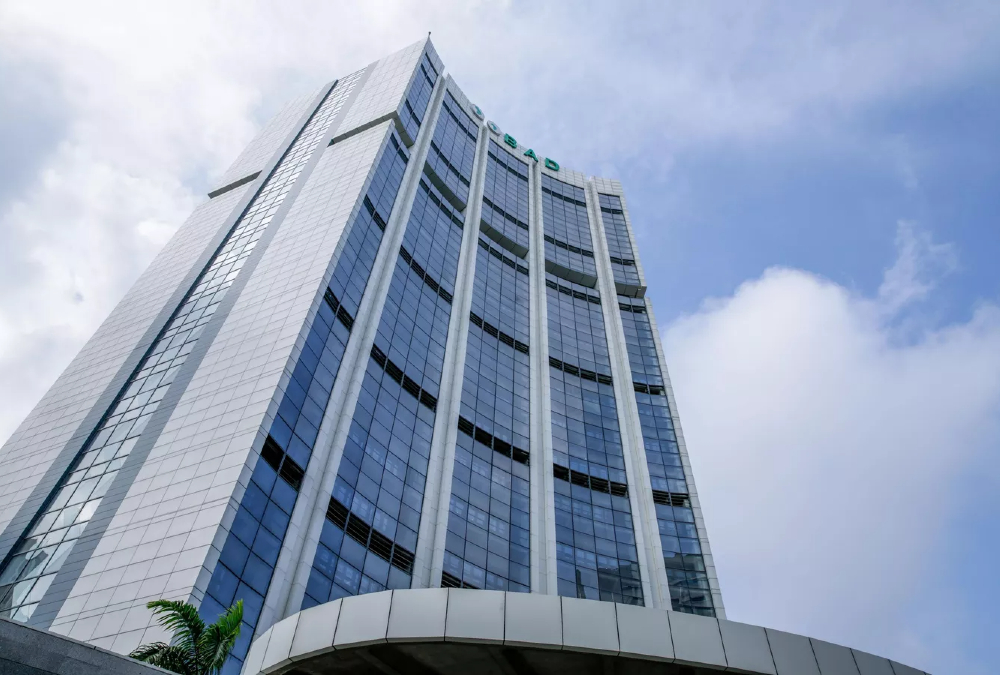
The AfDB is headquartered in Abidjan, Côte d’Ivoire, and now includes 53 African nations and more than 24 non-African member countries. Contributions from non-regional members significantly boosted the bank’s capital, growing from US$250 million in 1964 to US$6.3 billion by 1983. As of 2024, the bank’s shareholder capital stands at US$318 billion, with a workforce of over 2,000 employees.
The AfDB’s first president was Mamoun Beheiry from Sudan, and its current leader is Akinwumi Adesina from Nigeria, marking the institution’s sixth president. Due to political instability in Côte d’Ivoire, the bank temporarily relocated its operations to Tunis from 2003 to 2013, returning to Abidjan in 2015.
Over the past 60 years, the AfDB has become a leading force in Africa’s socioeconomic development, particularly in infrastructure. One of its current priorities is to ensure that African nations have universal access to reliable and affordable energy. The bank’s first project in 1967 involved upgrading Kenya’s A104 and A2 highways, marking the start of Africa’s modern development journey.
Since then, the AfDB has supported over 6,000 projects, providing more than US$77 billion in funding over the last decade. Notable initiatives include the Ngandajika Agro-Industrial Programme in the Democratic Republic of Congo, which aims to boost agricultural growth, reduce poverty, and create sustainable jobs across 22 provinces.
Recognizing the importance of youth in Africa’s future, the AfDB also focuses on empowering young entrepreneurs, particularly in the agriculture sector. Through its AgriPitch Competition, the bank fosters job creation and innovation. In 2023, it awarded US$140,000 to winners, with a particular emphasis on supporting women-led businesses.
Looking forward, the African Development Bank will continue to play a crucial role in closing the continent’s infrastructure gap, driving agricultural growth to end food insecurity, and promoting industrial growth through innovation and technology.
Mary Alorh is Director of Administration at DefSEC Analytics Africa Ltd., and is an expert in Gender, Youth, and Peace & Security initiatives in West Africa.
