
Opinion
Radiant Africa Preaches Capitalism
In some African countries, banking regulation is a model for the rest of the world. While the political risk premium remains relatively high, over the past decade, real efforts have addressed many of the reasons for this – corruption, lack of transparency, and nervousness over property rights.
What is more, the story extends well beyond the well-hyped resources sector, the majority of the stocks that trade on African exchanges are non-commodity, including telecommunications, consumer goods, and financial services, where even relatively small countries have many registered foreign and domestic banks, unlike at any other time.
Investments will continue to benefit from the African demographic story, which is decidedly skewed towards the young. Over 60 percent of Africans are under 24 years of age. If well-harnessed, such statistics portend a boom in local private demand, for decades to come.
Changing dietary preferences from grain-based to protein-based foodstuffs underlies a boom for food producers.
Africa is home to many of the two billion people who have a mobile phone but no bank account. The rapid integration between financial products and mobile telephony creates myriad opportunities to directly serve the consumer and cut out the bureaucratic middlemen.
Through conversations with policymakers from around Africa, including heads of state, the perspective is clear. They see what happened in the rest of the world as a failure of governments and not a failure of capitalism.
In its true form, capitalism is thriving in Africa, dragging millions out of poverty and into the shops. It is a happy and poignant irony that the isolated continent will succeed by following the rules of the market that the rest of the world forgot.
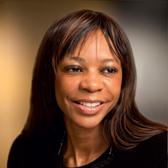
By Dambisa Moyo
Dambisa Moyo (PhD) is an international economist. She is the author of the bestselling book, Dead Aid: Why Aid Is Not Working and How There Is a Better Way for Africa. She can be followed on twitter @dambisamoyo.
