
Opinion
Owusu on Africa: Turkey’s growing influence in Africa could be leveraged to contribute to conflict resolution efforts
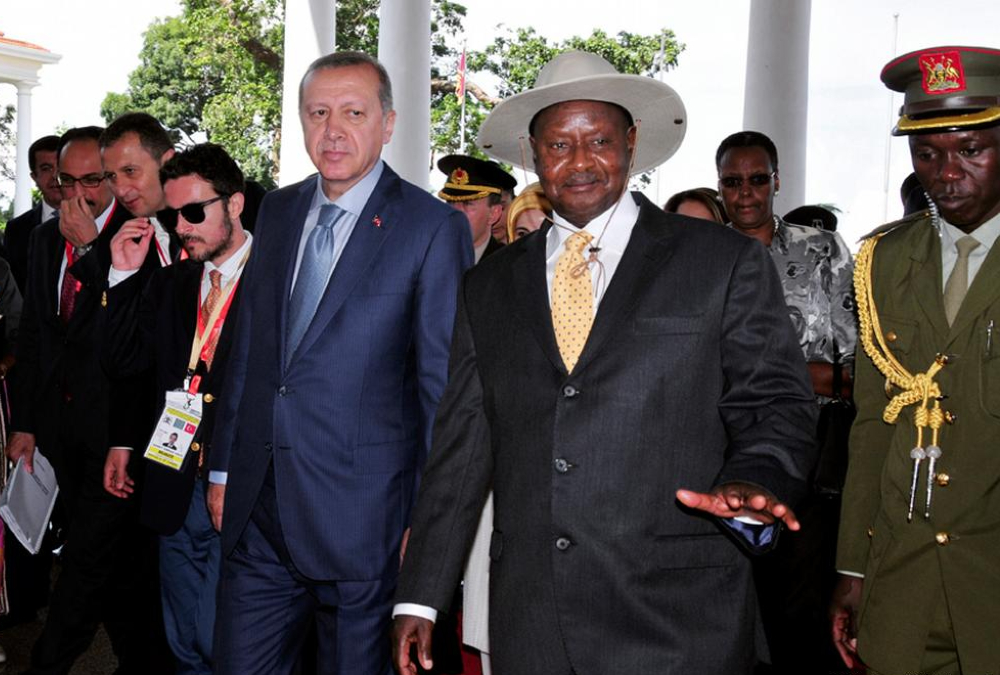

By Fidel Amakye Owusu
In less than two decades, Turkey (Türkiye) increased its diplomatic presence in Africa from a few missions to almost every African state. It also increased investment from US$100 million to several billion dollars within the same period.
From the Sahel through Central Africa to the Horn, many African capitals are hosting determined diplomats from Ankara with eyes wide open for economic opportunities that send some benefits back home – as all diplomats do.
In the current scramble and focus on Africa, Türkiye has been listed as one of several emerging “Middle Powers” who are establishing a foothold on the continent. Others in this category are Brazil, Israel, Saudi Arabia, UAE, and Iran among others.
These are set apart from the great powers: China, Russia and the United States, and those that have declined from their former great power status – France and the UK. In the former category, therefore, Türkiye has proven to be potent concerning its presence in Africa.
Gains
In recent years, the Eurasian power has established security relations in multiple African countries. It has offered military support in Libya and Somalia. Its growing arms industry has growing clients in the continent.
The country has also used soft power effectively. Thousands of scholarships and cultural infrastructure have been sponsored across Africa. As an example, Ghana has a magnificent national mosque, designed in Ottoman architecture, and financed by Türkiye.
With many powers making efforts to establish themselves in Africa, it appears Ankara has made some gains that are worth noticing.
It is for this reason that the current deal between Mogadishu and Ankara to protect Africa’s longest coast should be handled meticulously by the latter. If not, it could undercut decades of efforts and gains in the continent.
Admittedly, when Ethiopia signed the deal with Somaliland to access the coast, Somalia became a clear underdog in the inevitable dispute that followed. This, therefore, makes its efforts to seek military assistance more rational from a realist point of view.
However, with the African Union (AU) and regional actors pursuing a diplomatic solution to the crises, the deal between Ankara and Mogadishu could be problematic. States that may be more “sympathetic” to Ethiopia could have their relations with Türkiye affected.
Also, Somalia could see the Turkish naval presence as a “big stick” it wielded during negotiations. This could protract the tensions and even escalate them.
Instead of appearing to support one side, Ankara could leverage the years of ties it has built in the continent to help resolve the crisis. This could be done by partnering with the AU and the member-states of the Intergovernmental Authority on Development (IGAD) to find a common ground for the parties.
Fidel Amakye Owusu is an International Relations and Security Analyst. He is an Associate at the Conflict Research Consortium for Africa and has previously hosted an International Affairs program with the Ghana Broadcasting Corporation (GBC). He is passionate about Diplomacy and realizing Africa’s global potential and how the continent should be viewed as part of the global collective.
