
Opinion
Ethiopia-Djibouti Railway: A New Corridor Transforming the Horn of Africa

By Dishant Shah
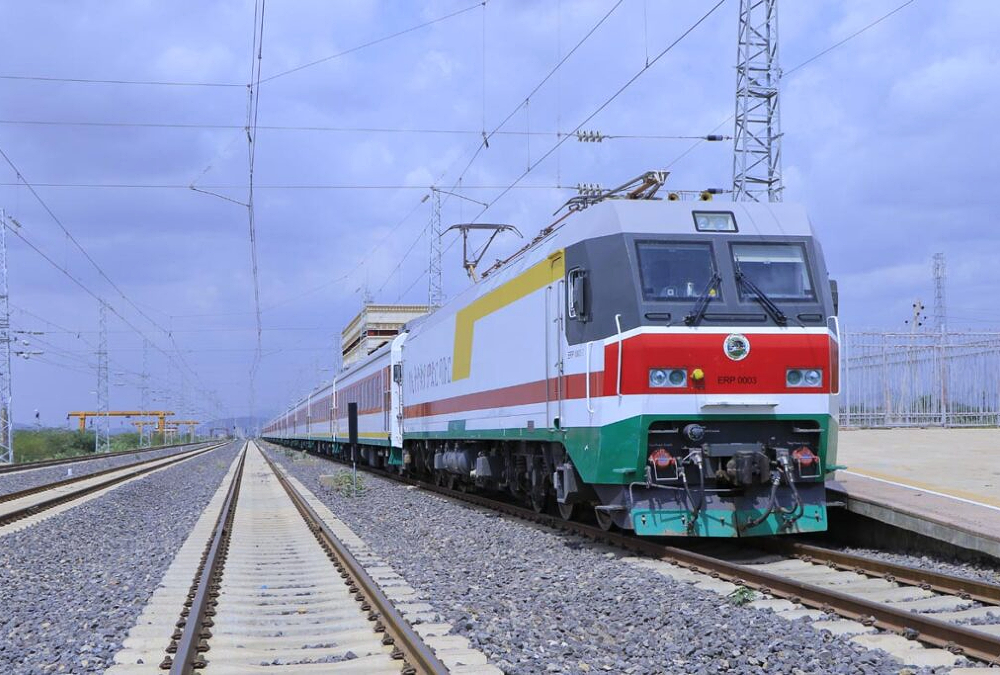
When Ethiopia and Djibouti inaugurated the 752-kilometer (467-mile) Standard Gauge Railway (SGR) in 2018, it was heralded as a bold infrastructure bet. Today, it stands as Africa’s most strategically consequential trade corridor – reshaping economies, redefining logistics, and repositioning the Horn of Africa on the global supply chain map.
More than 90 percent of Ethiopia’s international trade – imports and exports alike – now flows through Djibouti’s ports. The SGR has turned what was once a grueling three-day truck journey across rugged terrain into a swift, reliable 12-hour rail transit.
This isn’t just an incremental upgrade; it’s a logistical revolution.
The Numbers Speak Volumes
- Freight Efficiency: The railway now handles over 6 million metric tons of cargo annually, with a clear trajectory toward 10 million tons by 2030.
- Cost Savings: Transport costs have dropped by 25–30 percent compared to road freight, a game-changer for manufacturers and exporters.
- Industrial Connectivity: Ethiopia’s key industrial zones – including Hawassa, Adama, and Dire Dawa – are now seamlessly integrated with Djibouti’s deep-sea terminals.
- Sustainability: As Africa’s first fully electrified transnational railway, the SGR slashes carbon emissions by roughly 30 percent relative to diesel-powered trucking.
- Local Empowerment: Over 5,000 jobs were created during construction and operations, and today, Ethiopian and Djiboutian engineers lead day-to-day management – a rare example of African ownership in large-scale infrastructure.
Financed through Chinese concessional loans and built by China Railway Group Limited and China Civil Engineering Construction Corporation (CCECC), the project exemplifies the evolving dynamics of Sino-African infrastructure partnerships. But its true significance lies not in its origins – it lies in its outcomes.
The Ripple Effect Is Real
The SGR has catalyzed a cascade of economic activity far beyond the tracks:
- Logistics Hubs: Dry ports and integrated logistics parks have emerged in Mojo and Dire Dawa, turning inland towns into trade nodes.
- Industrial Growth: Export-oriented industrial parks are scaling production, buoyed by predictable, high-capacity access to global markets.
- Real Estate Boom: Demand for warehousing and commercial real estate near railway junctions has surged, attracting private investment.
- Port Expansion: Djibouti’s port throughput has grown by more than 20 percent since 2018, reinforcing its role as the gateway to East Africa.
Challenges Ahead – But Momentum Is Strong
The corridor is not without hurdles. Debt sustainability, grid reliability for electrification, service frequency, and fare structures remain pressing concerns.
Yet these are operational challenges – not existential ones. The railway’s strategic value is already undeniable.
A Blueprint for Regional Integration
The Ethiopia–Djibouti SGR offers a replicable model for infrastructure-led integration across Africa. It demonstrates how a single, well-executed corridor can unlock industrialization, attract investment, and deepen regional interdependence.
For investors, the opportunity extends far beyond rail operations. The real potential lies in the ecosystem it enables: cold-chain logistics, last-mile distribution, industrial real estate, and value-added manufacturing along the corridor.
In an era where supply chain resilience and speed define competitiveness, the SGR proves a simple truth: where trade moves faster, value follows. And in the Horn of Africa, that value is just beginning to compound.
Dishant Shah is a partner at Legion Exim, a company specializing in facilitating the export of high-quality engineering products directly sourced from manufacturers in India to Africa. His areas of expertise include new business development and business management.
