
Opinion
Country profile: Tanzania – East Africa’s giant finally awakens
Tanzania’s case shows that no country is pre-ordained to remain underdeveloped.
By David Himbara
East Africa’s sleeping giant is finally awakening. Right in the middle of the global Coronavirus (COVID-19) pandemic, Tanzania has provided a rare piece of good news – on 1 July 2020, the country achieved its middle-income vision 5 years ahead of schedule.
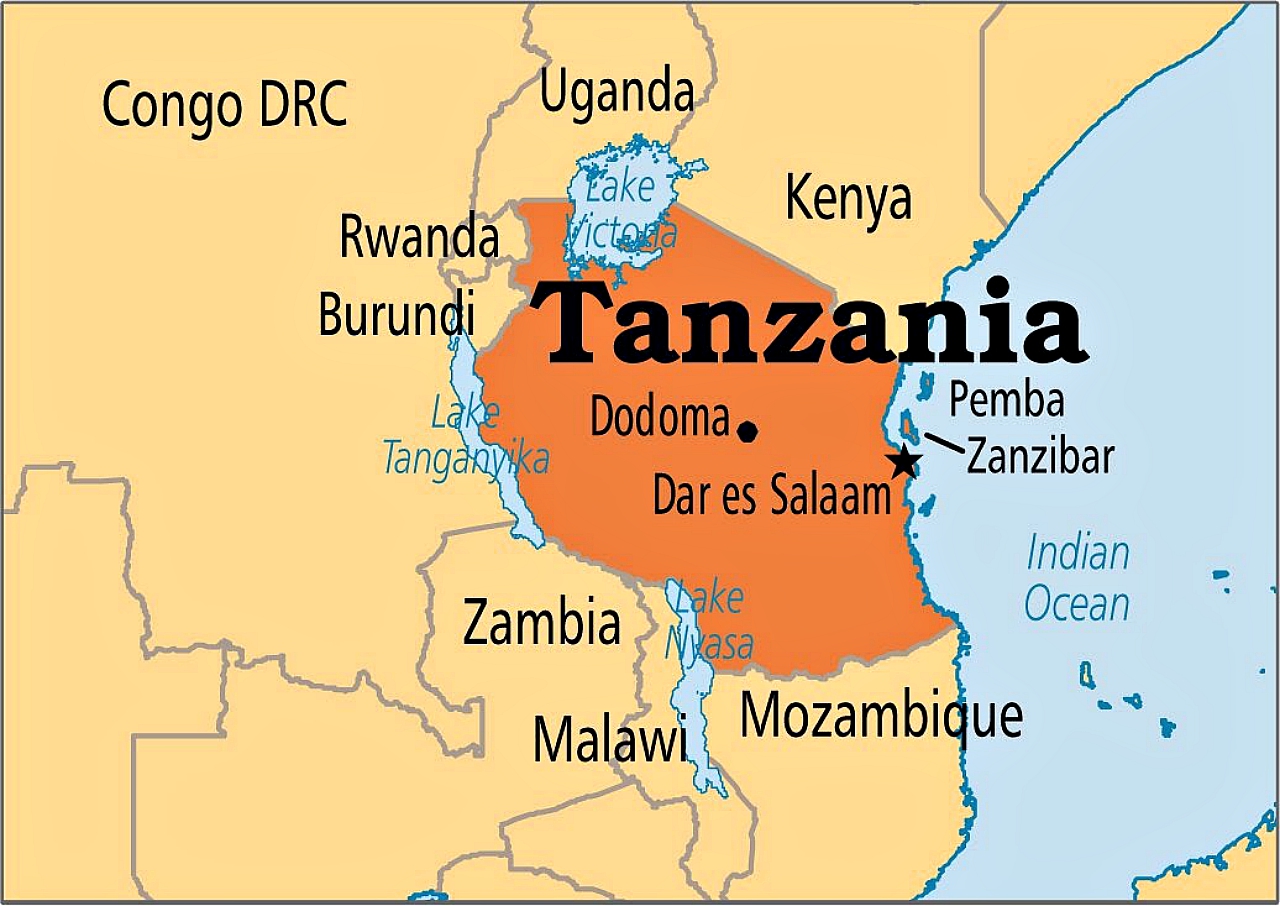
As a coastal economy bordering 8 countries, 6 of which are nearly or completely land-locked, Tanzania is well-situated to become a regional economic and transit hub. The country is endowed with rich renewable and non-renewable resources that can power not only its own economic transformation but that of its neighbours as well.
Reporting on Africa tends to swing between 2 extremes: Africa is either a hopeless basket case or a rising continent. What is often conspicuously lacking is a more nuanced analysis of the unspectacular progress that is being made. Tanzania’s case shows that no country is pre-ordained to remain underdeveloped.
Tanzania is potentially an African economic giant due to what I call its unique characteristics – strategic location, diverse resources, and political stability. Perhaps most crucially, the country has enjoyed decades of political stability, with hardly any of the conflicts that have affected almost all its neighbors since independence in the 1960s.
During the presidency of Benjamin Mkapa, Tanzanian stakeholders began the exercise of formulating the country’s development vision. In 1995, a team of experts was the focal point of this exercise under the auspices of the Planning Commission. Participation took different forms, including symposiums, interviews, dialogues, and meetings that brought together different social groups.
The media was also closely involved through newspapers, radio and television. The aim was to transform Tanzanian from a low-income to a middle-income country by 2025. Mkapa’s presidential successors Jakaya Kikwete and John Pombe Magufuli both relentlessly pursued the vision.
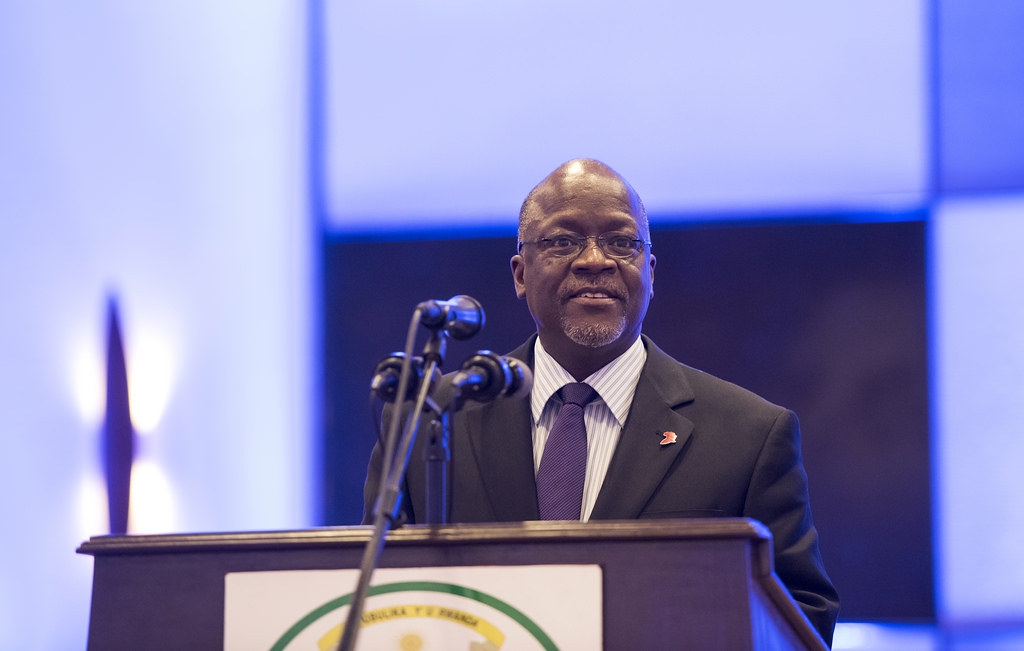
Tanzanian President, John Pombe Magufuli
What can other countries learn from Tanzania?
Consistent economic management saw Tanzania realize annual growth between 6 percent and 8 percent in the past decade. As a result, Tanzania’s nominal gross domestic product (GDP) more than doubled from US$29 billion in 2009 to US$63 billion in 2019.
Diversification of the economy was the key.
- Tanzania has become one of the top 5 gold producers in Africa.
- Manufacturing is gathering momentum after years of decline. Tanzania now produces cement, textiles, ceramics, tools, and simple machinery.
- Part of the success in mining and manufacturing is due to attracting foreign direct investment of at least US$1 billion year in the past half-decade.
- Improved processing and delivery of goods from Tanzanian ports to countries such as Burundi, DR Congo, Rwanda, Uganda and Zambia became another source of income.
- Services including telecommunications, banking and construction have experienced impressive growth rates, with the commercial capital of Dar Es Salam becoming the largest city in eastern Africa.
Perhaps Tanzania’s most important lesson lies in its political stability that enabled the country to transform from a quasi-socialist to a market economy.
Tanzania’s agriculture remains a weak spot. The agriculture sector which largely remains underdeveloped, provides livelihoods directly to about 55 percent of the population. Three quarters of Tanzania’s poor eke out a living in agriculture, while a further 15 percent is indirectly related to the sector through value chain functions such as traders, transporters and processors.
Agriculture’s centrality to Tanzania’s development by virtue of its size and spread is therefore self-evident. That is why agriculture still needs fundamental reforms to take Tanzania to the next level.
David Himbara is a Professor of international development based at Centennial College, Toronto, Canada. This article is republished from The Africa Report. Read the original article here.
