
Editorial
A Timely US Africa Trade Policy?
The right noises from Washington, DC
For the moment, some government entities are starting to awake to the need to change policy and take action on behalf of American investors. At a George Washington University event on Nov. 14, 2012, Fred Hochberg, President of the US EXIM Bank outlined an aggressive ‘anything goes’ approach to level the competitive playing field for US business in Africa. Alongside doing what China does, Hochberg spoke directly to trade agency realignment and then specifically alluded to the need for comprehensive policy to promote international trade like the national interest it is.
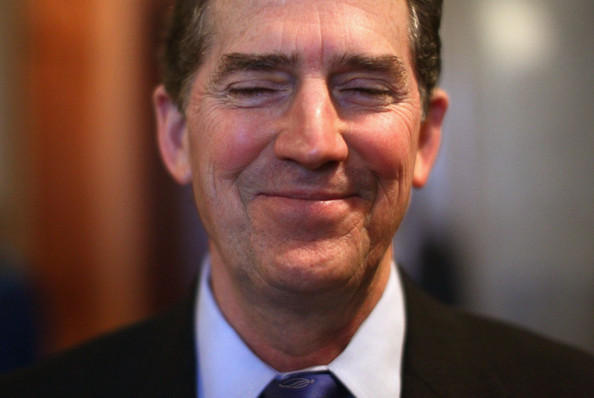
But Jim DeMint and other Republicans may take issue with this intervention. In fact, even if the party and like-minded think tanks support a more comprehensive strategy than AGOA, the mostly ignorant and overwhelmingly influential conservative talk radio hosts, virulent online websites blogs, and Fox News could doom legislation because it is akin to Obama – someone who, despite higher post election job approval is still loathed by the conservatives who do not believe he has a mandate to do as he wishes with this country.
In all this partisan bickering and ideological warfare, there’s a gem of truth: If American firms cannot acquire a bigger stake in what could regenerate the modern global economy, then Adam Smith, John Maynard Keynes and Milton Friedman were wrong. The 9.1% unemployed in South Carolina and the 8.4% in Kentucky – and yes, the millions of Africans and their American kin might as well look to China for bread.
The Foundation for a New Initiative
AGOA was never supposed to be a gift to Africa. It was meant establish mutually beneficial roots in both the US and Africa private sectors – roots that would eventually unleash Fords, Chryslers and Cadillacs down highways between Congo Brazzaville and Mombasa. Towards a goal as lofty, AGOA has not done as much for the American entrepreneur – even though there are now more Americans clad in outfits arranged by African hands and more African oil in Texan refineries.
Paul Ryberg believes that AGOA has been a success, and thus, he urges that care be taken in tinkering with it since proposing amendments might attract controversy which could slow enactment, cause AGOA to lapse and cost
hundreds of thousands of African jobs. But others want to go much further even if this disrupts the AGOA status quo or resuscitates legislative rivalries. A well executed multi-stakeholder strategy can develop a comprehensive policy that will be well worth the rumpus.
It comes down to politics
The GOP lost the 2012 General Election by a 2% margin made up of minorities. Here, DeMint & Co. have the golden chance to, as The Week recommends, bring compassion back into an economic debate. Besides, a GOP policy pivot to over 3.2 million African immigrants may make for both expedient strategy and smart business. This Diaspora could play the role of cultural brokers; facilitating trade between America and their respective home countries. After all, more than 50 percent of them came to the US after 1990 and keep ties to Africa through yearly remittances worth more than $ 40 bn.
The DeMint Essence
While he opposed big government, DeMint also once said he’d never rule anything out in his life. As a businessman himself, he, no doubt, understands that the Marshall Aid Plan, for instance created jobs in America as much as it created consumers and goodwill in post WWII Europe. In also urging Congress to do more to open new markets for American products, perhaps DeMint and fellow Republicans will take leadership on African policy and in the process, show the world which party is Africa’s true friend.
In July 2012, DeMint, in a Politico article, averred that he’d not compromise just to pass something. A few short months later – in a post election press release – DeMint ends it with a nascent hope to work with Jay Rockefeller, the Democratic Chair on the Committee DeMint will join.
This trace of moderate behavior may bode well for Africa, vindicating Whitaker, exceeding Ryberg’s expectations and proving the efficacy of Lande’s perfect storm. But knowing how deep still partisan waters may run, we really should not be holding our breath.
Dennis Matanda is an American Politics + Government scholar from Uganda. He serves as The Habari Network’s Editor, works in Manhattan and lives with his wife Rachel in Princeton, New Jersey.. Follow him @DennisMatanda or @thehabarinetwork
