
Editorial
Early October Editorial
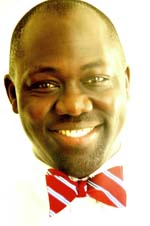
Be as it may, the American media has seemingly taken on a very political role. You see … In the past, the leaders of the Democratic or Republican party called the shots. They decided who was going to be their party nominee or who was going to represent them in either the House or the Senate. They were the kingmakers. But then a few things happened in the American political system circa 1972. Things begun to go the way of proper democracy. More and more people were allowed to participate in the American Presidential Primaries which usually take place about a year before the general election.
And then media begun to take on more power. The media begun to have an opinion. The media begun to actually and actively influence people’s choices. Americans finally had a ‘reliable’ partner on whom they could count for advise, solace and also opinions. The media finally had a place as the Actual Fourth Estate. This position in American politics was on full display in the presidential primaries that led to the General Election of 2008. We could argue this point until the cows come home: Barack Obama owes his presidency to the meta narrative drawn by the media between 2007 and 2008!
But that is the point. The media has a role to play – even in places as desolate as Africa or even in Jamaica or Haiti. The argument is that the media could start the process of determining who the leaders are going to be. While this is wrought with its own problems, the media is considered a little more credible than the politicians on the different African party platforms. If the media took up a position and decided that they were going to aggressively cover politics and invite as many opinions, maybe Africans would see and finally feel the essence of democracy.
However, in saying all this, the fact is that African media has been and is aggressive and opinionated. Radio stations in the 3rd world are activist and have been known to rally people to whatever cause they choose. The media in most of the Black World is responsible for a great amount of progress [or even grief if we remember the Rwanda Genocide of 1994] and has, on several occasions been shut down by ever so aggressive and vigilant governments. Who can forget Mrs. Kibaki storming Kenya’s biggest newspaper? And if anyone does not know this, the Ugandan government shut a prominent radio station because of anti government sentiments.
Why is this editorial as garrulous and yet flakey at the same time? Are we being overly effusive for no good reason? The reason for this coyness is simple: It IS important to set the stage for a profound moment. There is opportunity in television and packaged shows. If we combined the novelty of television in Africa with the essence of reality television shows, we could package debates between potential African leaders for the general audience. This is why I started with the American primaries. The media winnows out those it knows will never make it to the final place of comfort for the leaders. The media – in the full view of everyone – makes a case for this or that candidate. But there is another twist to this: We have all, probably, seen aspects of the Big Brother shows. The ‘actors’ or participants are unscripted and unmonitored. Their personalities have to shine through on their own. We, the people watching, then decide who we want to meet in the general elections. But in the meantime, we vote out those we do not consider worthy.
Imagine if we could, over a period of 12 months, listen to formal ruminations and ideas of the very people egocentric enough to put themselves up for public office. If they hope to run whatever country they are in right now, we might as well see what they have to offer in a league of fellow extraordinary and egocentric people.
If this reality show – a proper laboratory of democracy – were organized by a credible organization like the Mo Ibrahim Foundation, isn’t there a chance that we’d all watch the events? Now, if these packaged shows were set up on a television channel – provided with 2 hours each weekend – the media would have, finally, managed to be a king maker.
That, in this paper’s opinion, is where we should be. Your thoughts?
Dennis Matanda,
Editor
