
Zina’s Youth View on Africa
France Seeks to Mend Ties with Algeria Amid Shifting Power Dynamics in Africa

By Godfred Zina
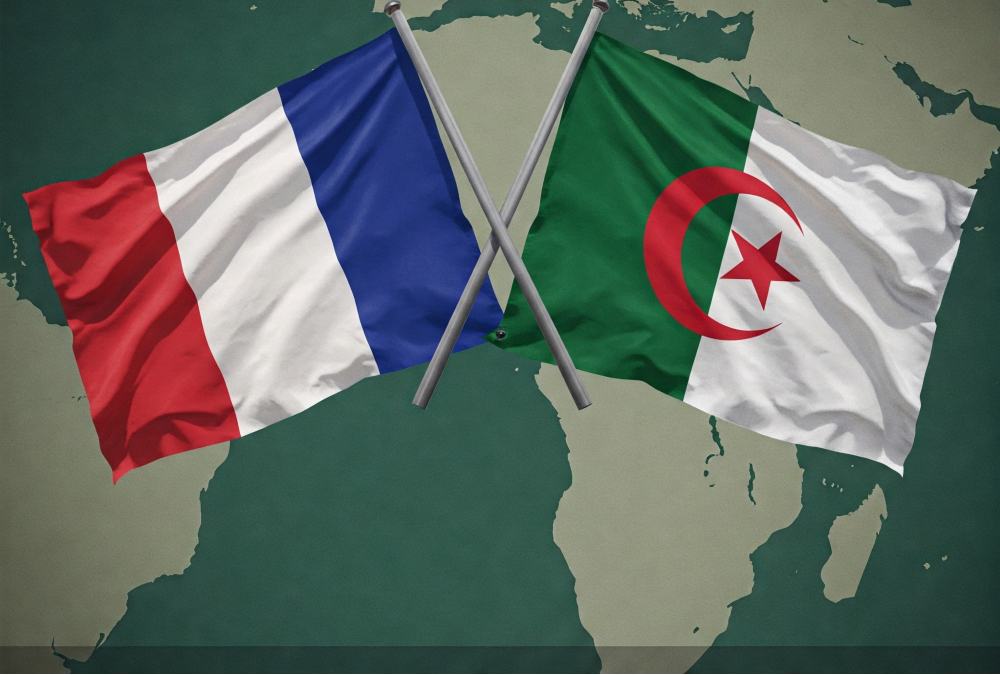
In recent years, the once-strong relationship between France and Algeria has deteriorated significantly, with trade between the two nations plummeting by 30 percent since last summer. This decline underscores not only strained diplomatic ties but also a broader erosion of French influence across its former African colonies.
As vital security cooperation stalls, France’s economic interests in Algeria hang precariously in the balance.
In an effort to repair relations, France’s Foreign Minister Jean-Noël Barrot visited Algeria on April 6, calling for renewed collaboration. His visit came after months of escalating tensions sparked by President Emmanuel Macron’s controversial support for an autonomy plan for Western Sahara – a move that directly contradicted Algeria’s stance.
While Morocco controls the disputed territory, Algeria backs the Polisario Front, which advocates for an independent state. This ideological divide highlights a growing rift between Paris and Algiers, further complicating their already fragile partnership.
Algeria’s Regional Rift: Collapsing Ties with Mali, Burkina Faso, and Niger
Meanwhile, Algeria finds itself embroiled in another regional crisis as its relations with the so-called “AES” countries – Mali, Burkina Faso, and Niger – spiral downward. These nations recently recalled their ambassadors from Algeria following accusations that Algerian forces shot down a Malian military surveillance drone.
The incident marks a sharp escalation in tensions, leading the trio to sever ties with Algeria entirely.
Instead, Mali, Burkina Faso, and Niger have turned toward Russia, forging new partnerships aimed at combating separatist and terrorist threats in the region. Their foreign ministers’ recent trip to Moscow signals a clear pivot away from traditional alliances, including those with both Algeria and France.
From Mediator to Accused: Algeria’s Changing Role in Regional Conflicts
Algeria, historically positioned as a mediator in conflicts such as the Mali-Tuareg dispute, now faces accusations of undermining stability. Critics argue that its actions, including denouncing Mali’s post-coup government, have fueled resentment among neighboring states.
With Algeria increasingly isolated diplomatically, questions arise about its ability to maintain its role as a regional peacemaker.
The downing of the Malian drone and subsequent diplomatic fallout have inflamed existing rivalries, potentially exacerbating military confrontations and deepening political divisions. Without effective mediation, these disputes may spiral into protracted conflicts, destabilizing West Africa and beyond.
The Bigger Picture: Implications of Shifting Alliances
France’s Waning Influence in Africa
The shifting dynamics in Franco-Algerian relations reflect a seismic realignment of power in Africa. For decades, France leveraged its colonial history to secure economic, political, and security advantages on the continent.
However, this strategy is faltering as African nations assert greater independence and seek alternative partners. France’s waning influence could jeopardize its access to critical resources and trade routes, posing long-term challenges for its global standing.
Regional Instability and Security Concerns
Simultaneously, the breakdown in Algeria-AES relations threatens regional stability. Collective security initiatives, already fragile due to ongoing insurgencies and cross-border terrorism, risk unraveling further.
Algeria’s alleged involvement in the downing of the Malian drone has inflamed existing rivalries, potentially exacerbating military confrontations and deepening political divisions. Without effective mediation, these disputes may spiral into protracted conflicts, destabilizing West Africa and beyond.
Conclusion: A Pivotal Moment for Africa’s Geopolitical Landscape
Ultimately, the current geopolitical turbulence serves as a stark reminder of how rapidly alliances can shift – and how costly it can be when they do. As France struggles to regain lost ground and Algeria grapples with mounting isolation, the stakes are high for all parties involved.
Whether through diplomacy or continued discord, the decisions made today will shape the future of Africa’s complex web of relationships for years to come.
France’s efforts to mend ties with Algeria come amid declining influence in Africa, while Algeria’s strained relations with Mali, Burkina Faso, and Niger underscore a volatile geopolitical landscape. Both developments highlight shifting power dynamics, with significant implications for regional stability, resource access, and international partnerships.
Godfred Zina is a freelance journalist and an associate with DefSEC Analytics Africa – a consulting agency specializing in the provision of accurate data and assessments on security, politics, investment, trade, and other risks within Africa. He is based in Accra, Ghana.
