
Zina’s Youth View on Africa
Africa’s Democratic Decline: Gabon’s Junta Leader Poised to Win April 12 Elections

By Godfred Zina
In recent years, the democratic landscape in several African nations has deteriorated alarmingly. Authoritarian rule, violent extremism, rampant corruption, human rights abuses, discrimination, and the stifling of free speech and press have eroded democratic institutions.
Countries like Burkina Faso, Niger, Mali, and Gabon are currently under military rule, with authoritarian leadership tightening its grip on power.
Research shows that once juntas seize control through coups, they tend to cling to power rather than transitioning back to civilian governance. The 2001 Economic Community of West African States (ECOWAS) protocol on Good Governance explicitly forbids military takeovers, emphasizing governance through free and fair elections with civilians maintaining authority over the military.
Despite this, enforcement of the protocol – especially in Niger – has led to the formation of the Alliances des Etats du Sahel (AES), a coalition comprising Mali, Burkina Faso, and Niger, which subsequently withdrew from ECOWAS.
The Gabonese Dilemma: Military Rule vs. Democratic Transition
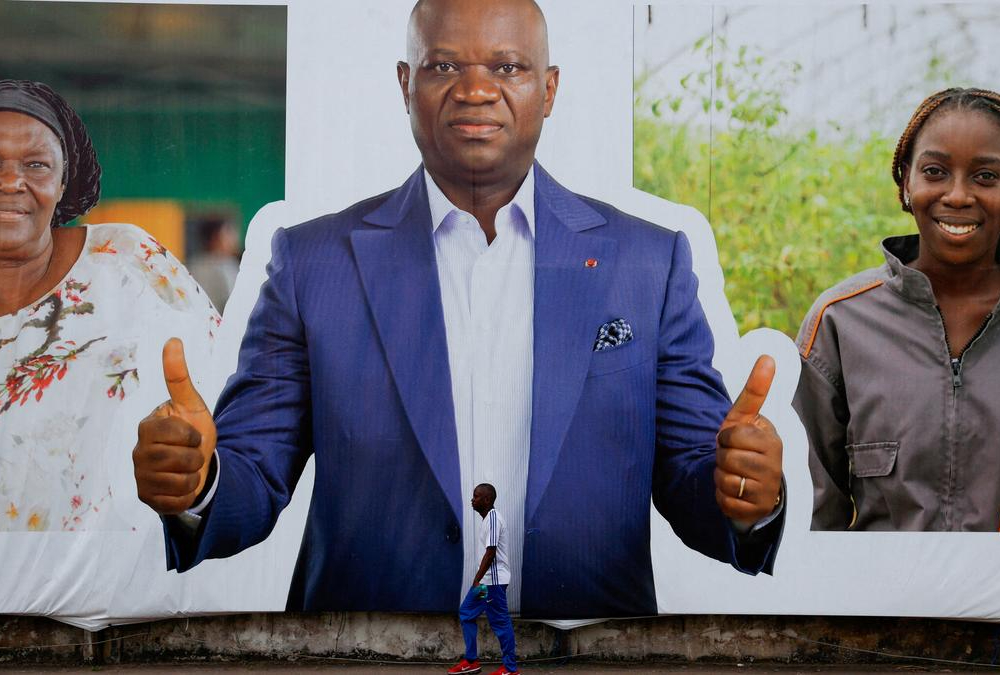
Meanwhile, in Central Africa, Gabon is preparing for a pivotal election on Saturday, April 12. At the forefront is junta leader Brice Oligui Nguema, who assumed power after ousting Ali Bongo Ondimba in 2023.
However, his candidacy has sparked significant controversy.
Alain Claude Bilie By Nze, a leading opposition candidate, has challenged Nguema’s eligibility, arguing that his participation poses a grave threat to Gabonese democracy. According to Nze, allowing military personnel – who already control state resources, finances, and security forces – to contest the elections undermines the democratic process.
He has called for the military to return to the barracks, advocating for a genuine transition to civilian rule.
Despite initial promises to restore civilian governance post-coup, Nguema now appears poised to win the upcoming election, leveraging his incumbency and widespread popularity for ending Ali Bongo’s long-standing and unpopular regime. But at what cost?
The normalization of military rulers through elections jeopardizes the credibility of democratic transitions, potentially entrenching authoritarianism as the prevailing leadership style. Opposition figures like Nze risk being perceived merely as extensions of the previous Bongo regimes, despite efforts to distance themselves.
Nze founded his own movement, “Together for Gabon,” to carve out an independent political identity separate from the Bongo family’s legacy.
Moreover, allowing a military junta to contest elections could instill fear among civilians, discouraging them from participating or running for office. This chilling effect could lead to a lack of diverse political representation, further stifling democratic growth.
A Test for Democracy Across Africa
As Gabon heads to the polls, the world watches closely. Will this election mark a step towards genuine democracy, or will it cement another era of authoritarian rule masked by electoral legitimacy?
The outcome will not only shape Gabon’s future but also serve as a litmus test for democratic resilience across the continent.
The stakes are high, not just for Gabon but for other African nations grappling with similar challenges. If military leaders are allowed to legitimize their rule through elections, it could set a dangerous precedent, emboldening other juntas to follow suit.
Conversely, a fair and transparent electoral process could rekindle hope for democratic governance in regions where it has been under siege.
For now, the people of Gabon – and the broader African continent – wait anxiously to see whether the promise of democracy will prevail or if authoritarianism will continue to cast its shadow over the region.
Godfred Zina is a freelance journalist and an associate with DefSEC Analytics Africa – a consulting agency specializing in the provision of accurate data and assessments on security, politics, investment, trade, and other risks within Africa. He is based in Accra, Ghana.
