
Zina’s Youth View on Africa
The Somalia–Ethiopia deal and its implications
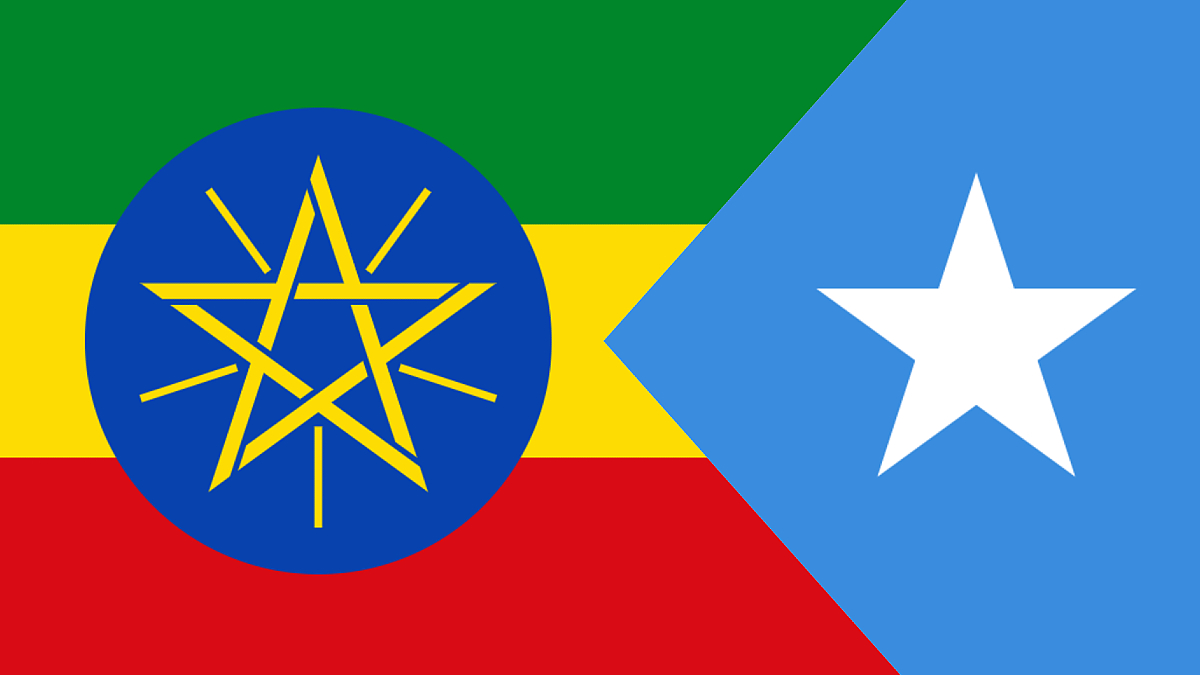
With Türkiye successfully mediating between Somalia and Ethiopia over a naval deal involving breakaway Somaliland, Ethiopia’s defense minister visited Somalia, indicating improved relations after heightened tensions in January 2024 following the sea access deal.
In the Ankara Declaration, facilitated by Türkiye, Ethiopia, and Somalia reaffirmed respect for each other’s sovereignty, unity, independence, and territorial integrity that align with international law, the UN Charter, and the African Union Constitutive Act.
In that agreement, Somalia and Ethiopia agreed to cooperate for shared prosperity, recognize sacrifices, respect territorial integrity, and finalize agreements ensuring Ethiopia’s secure access to the sea.
After a deal was secured, Eritrea criticized the Turkish-brokered agreement as “rushed and ambiguous” and hinted at severing diplomatic ties with Somalia.
In October, leaders of Egypt, Somalia, and Eritrea, countries with strained relations with Ethiopia, held a meeting in Asmara to strengthen ties and pledged to defend their sovereignty.
Ethiopian troops in Somalia serve under an AU peacekeeping mission, and bilateral agreements are vital in combating al-Shabaab, an al-Qaeda affiliate that has been active since 2007.
Currently, Ethiopia has around 10,000 troops in Somalia to fight al-Shabaab, although Mogadishu threatened to expel them should Ethiopia not abandon its agreement with Somaliland, but with an agreement reached, the withdrawal may not be happening.
And so, what?
With Ethiopian troops being critical in Somalia’s fight against al-Shabaab under AU and bilateral arrangements, their withdrawal could lead to a security vacuum that would encourage al-Shabaab and destabilize Somalia; thus the minister’s visit could strengthen the engagement of the Ethiopian troops.
Somalia’s confirmation of the Ethiopian defense minister could mean troops underscore growing calm over tension and could strengthen bilateral relations, reduce increased security collaboration, and improve peace efforts in the Horn of Africa.
In criticizing the Ethiopia-Somalia deal, Eritrea hinted that severing ties with Somalia could escalate tensions in the Horn of Africa, disrupt regional alliances, and undermine collective security frameworks. And its reaction could lead to new geopolitical alignments and increase external actors’ influence in the region.
Godfred Zina is a freelance journalist and an associate with DefSEC Analytics Africa – a consulting agency specializing in the provision of accurate data and assessments on security, politics, investment, trade, and other risks within Africa. He is based in Accra, Ghana.
