
Zina’s Youth View on Africa
DR Congo-Belgium Relations at a Crossroads: History, Minerals, and Modern Diplomacy
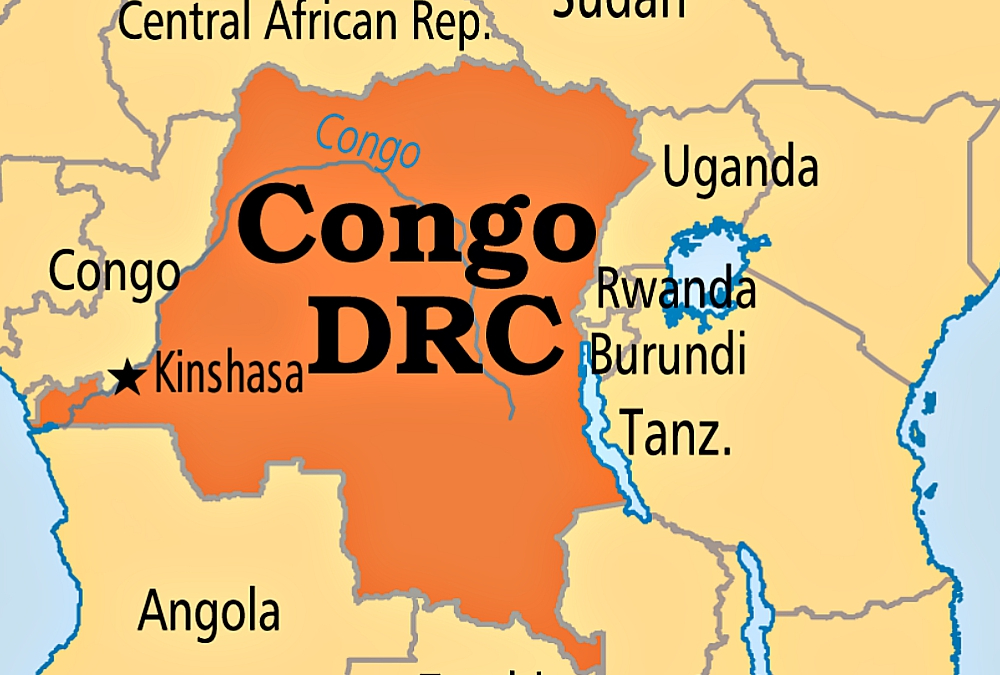

By Godfred Zina
The Democratic Republic of the Congo (DR Congo) and Belgium share a fraught, centuries-old relationship shaped by colonial exploitation, imbalanced power dynamics, and evolving geopolitical currents. As both nations navigate the complexities of reconciliation and cooperation in the 21st century, their ties remain suspended between confronting a painful past and pursuing strategic interests in a rapidly shifting global order.
A Legacy of Exploitation
The roots of this relationship lie in the horrors of the colonial era. After King Leopold II of Belgium seized control of the Congo Free State in 1885 – a personal fiefdom rubber-stamped by the Berlin Conference – millions of Congolese perished under systematic atrocities, forced labor, and resource extraction.
International outrage eventually compelled Belgium to annex the territory in 1908, but colonial rule persisted, marked by racial segregation, economic plunder, and repression until DR Congo’s independence in 1960.
Reckoning with the Past
In recent years, Belgium has taken tentative steps toward reconciliation. In 2022, King Philippe expressed “profound regrets” for colonial-era abuses during a state visit to Kinshasa, signaling a shift from decades of Belgian silence.
Efforts to repatriate looted Congolese artifacts – such as the 2023 agreement to return over 80,000 items – and ongoing dialogues on reparations have further underscored this cautious thaw. Yet, many Congolese view these gestures as symbolic, demanding deeper accountability for systemic injustices.
Strategic Interests and Tensions
Amid renewed diplomatic engagement, economic interests loom large. Belgium’s foreign minister, visiting the Great Lakes region in April 2025, emphasized its readiness to invest in DR Congo’s mining sector, leveraging Belgian technological expertise to forge “mutually beneficial partnerships.”
This push aligns with global competition for critical minerals – such as cobalt and copper – essential for renewable energy technologies. However, critics warn that weak governance and corruption risks in DR Congo could perpetuate exploitative practices reminiscent of colonial times.
Regional instability further complicates ties. Belgium’s decision in 2025 to suspend aid to Rwanda over its alleged support for the M23 rebel group in eastern DR Congo triggered a diplomatic rupture, with Kigali expelling Belgian envoys in retaliation.
Meanwhile, Brussels has redirected €25 million in aid to civil society organizations amid concerns over human rights abuses and insecurity in eastern DR Congo, though it remains a key development partner through its 2023–2027 program focusing on youth empowerment, gender equality, and sustainable infrastructure.
Pathways Forward
Belgium’s renewed focus on resource diplomacy reflects broader Western attempts to counter Chinese and Russian influence in Africa’s mineral-rich regions. Yet, as DR Congo seeks to balance foreign partnerships with sovereignty, the African Union has stressed the urgency of an African-led resolution to the eastern conflict – a stance echoing calls for self-determination long stifled by external interference.
For both nations, the road ahead hinges on whether economic collaboration can transcend historical inequities and foster equitable growth. As DR Congo asserts its agency on the global stage, Belgium’s role will depend on its ability to move beyond penance and position itself as a credible, ethical partner in a post-colonial era.
Godfred Zina is a freelance journalist and an associate with DefSEC Analytics Africa – a consulting agency specializing in the provision of accurate data and assessments on security, politics, investment, trade, and other risks within Africa. He is based in Accra, Ghana.
