
Zina’s Youth View on Africa
Coup Rumors in Ivory Coast: Political Tensions or Rising Anti-Western Sentiment?
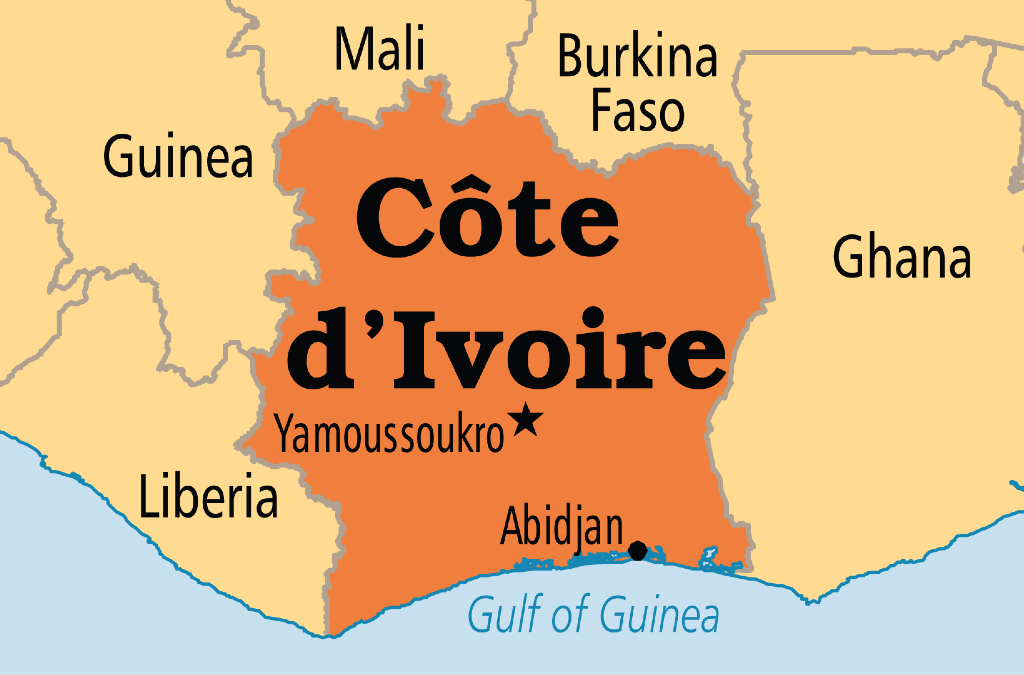

By Godfred Zina
Recent rumors of a potential coup in Côte d’Ivoire (Ivory Coast) have sparked political unease and raised broader questions about governance, transparency, and the lingering influence of Western powers in the region.
Although both the Ivorian government and security forces have strongly denied any signs of instability – dismissing the reports as deliberate disinformation – the speculation has only intensified amid an already volatile political climate.
With national elections scheduled for October 2025, tensions are on the rise. The recent disqualification of a prominent opposition leader over nationality-related legal issues has further polarized the political landscape.
Meanwhile, concerns are growing that constitutional rules could be manipulated to allow President Alassane Ouattara to run for a fourth term, despite the existing two-term limit.
In 2020, constitutional reforms paved the way for Ouattara’s third presidential bid after the death of a key rival candidate. This year, his party has once again nominated him as its candidate, though he has yet to officially confirm whether he will seek re-election.
While Ouattara has expressed a commitment to serving the Ivorian people, his intentions remain unclear.
A Shifting Political Landscape and Growing Distrust
Ouattara has been widely credited with steering Ivory Coast toward economic recovery and stability following years of civil unrest. However, criticism of his prolonged hold on power has grown, particularly in light of his close political and historical ties to France – a relationship that many see as emblematic of continued Western influence in African affairs.
Across West Africa, anti-Western sentiment is on the rise, fueled in part by military takeovers in countries such as Burkina Faso, Mali, and Niger. These developments have resonated with younger populations disillusioned by perceived corruption, foreign interference, and democratic backsliding.
In this context, there are fears that Ivorian youth may increasingly look to these neighboring nations for inspiration, especially if they feel excluded from the political process or perceive the system as rigged.
The spread of false coup rumors underscores a deeper crisis of trust within Ivorian society. Such disinformation not only risks triggering panic but also threatens to erode public confidence in democratic institutions, potentially justifying heavy-handed government responses and further marginalizing dissenting voices.
To prevent further destabilization, it is essential for authorities to prioritize transparency, uphold the rule of law, and foster inclusive political dialogue. The integrity of the upcoming elections – and indeed the future of democracy in Ivory Coast – depends on leaders placing national interests above personal ambition.
As Ouattara’s party continues to push for his candidacy in next year’s vote, the question remains: Will Ivory Coast reaffirm its democratic principles, or will the specter of authoritarianism and external influence continue to cast a shadow over its political future?
Godfred Zina is a freelance journalist and an associate with DefSEC Analytics Africa – a consulting agency specializing in the provision of accurate data and assessments on security, politics, investment, trade, and other risks within Africa. He is based in Accra, Ghana.
