
Opinion
The Invisible Borrowers Behind the Credit Gap
The continent’s lenders are not short of customers. They are short of ways to see them.

By Dishant Shah
Africa’s credit story is usually told as one of scarcity: too few loans, too few banks, too little capital. The more interesting story is the size of the demand waiting to be served.
For decades, African households and businesses have operated with limited access to formal credit. That is changing, though not evenly.
Consumers Are Becoming Visible
On the consumer side, mobile money, digital banking and fintech have made it possible to assess and serve customers whom traditional banks never saw. Small-ticket digital loans, salary advances, asset financing and buy-now-pay-later products are widening the definition of who can borrow.
The Real Prize Is in Business Lending
The corporate side is more compelling still. Africa has millions of small and medium-sized enterprises (SMEs) that need working capital to buy inventory, import machinery, finance receivables or bridge the gap between paying suppliers and being paid by customers.
Yet many remain underserved. Conventional banks demand collateral, lengthy documentation and financial histories that smaller firms simply do not have. The result is a peculiar paradox: businesses with genuine economic activity that remain, in financial terms, underbanked.
Better Infrastructure, Not Just More Lending
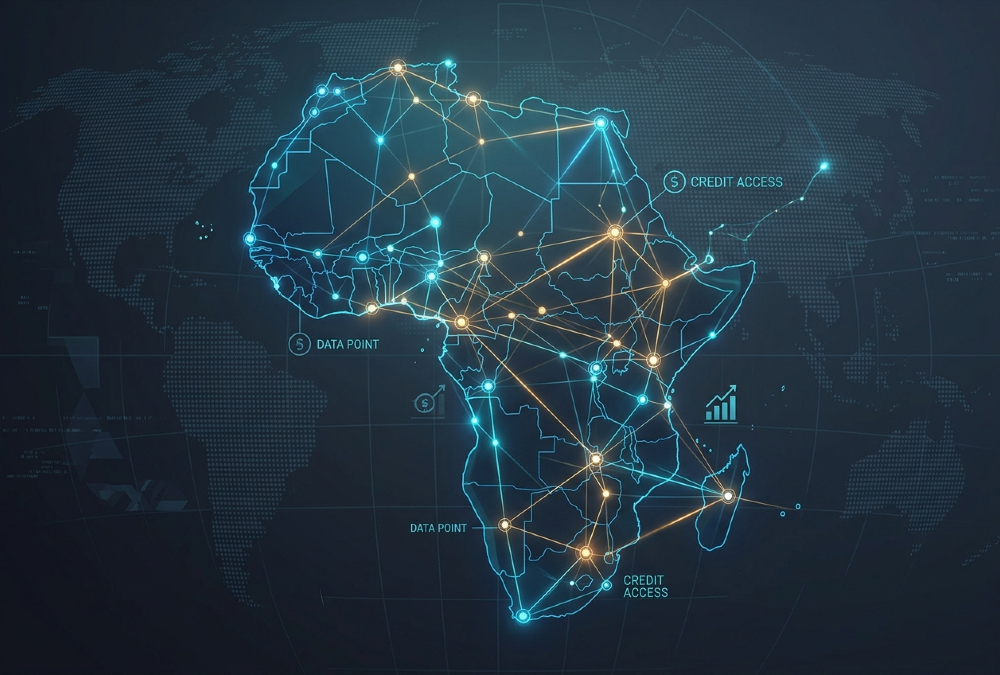
The opportunity is not merely to lend more money. It is to build better credit infrastructure. Digital transaction histories, mobile payments, alternative credit scoring, trade finance platforms, invoice financing and embedded lending can gradually turn opaque businesses and consumers into measurable credit risks. What cannot be measured cannot be priced, and what cannot be priced rarely gets financed.
One Continent, Many Credit Markets
There is, however, an important catch. Africa is not one credit market. Kenya differs from Nigeria, Nigeria from Egypt, and South Africa from Ethiopia. Banking penetration, interest rates, informality, income levels, regulation and payment infrastructure vary enormously. Any lender, investor or policymaker who treats the continent as a single opportunity will be disappointed.
The Affordability Question
An uncomfortable question also lurks: affordability. Expanding credit without expanding productive capacity can turn financial inclusion into household indebtedness. Credit that funds consumption alone may deliver a short-term boost and a long-term burden.
Where Credit Meets Commerce
The greater opportunity lies where credit meets commerce: financing inventory, agriculture, housing, equipment, transport, trade and the small businesses that can turn borrowed capital into something more valuable than what they started with.
Africa’s future appetite for credit may ultimately have less to do with consumers wanting to borrow more, and more to do with millions of businesses finally gaining access to the working capital they have always needed.
The question worth asking, then, is not simply how much credit Africa will consume. It is how much economic activity is being held back today because the credit system cannot yet see it.
Dishant Shah is a partner at Legion Exim, a company specializing in facilitating the export of high-quality engineering products directly sourced from manufacturers in India to Africa. His areas of expertise include new business development and business management.
