
News
Haiti: Small rise in cholera cases in the aftermath of Hurricane Sandy
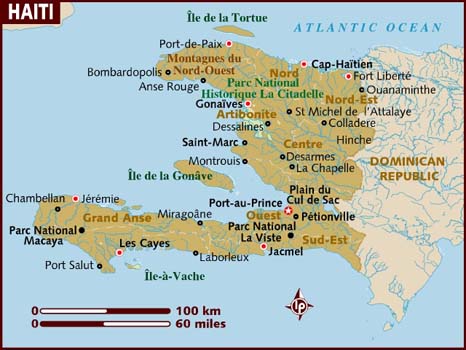
Port-au-Prince, the capital of Haiti, saw a small increase in the number of people infected by cholera after last week’s destructive rains from Hurricane Sandy, an international medical group revealed Friday.
Doctors Without Borders said the group’s five cholera treatment centers had at least 457 patients Monday. There were 500 patients Tuesday.
The increase in cases was anticipated. Cholera spreads through water, and Haiti has seen a spike in the number of cases following periods of heavy rainfall. The country is vulnerable in large part because most of the sanitation and sewage systems were damaged during the devastating 2010 earthquake.
Cholera, an intestinal infection caused by the bacterium Vibrio cholera, has sickened more than 600,000 people and killed more than 7,500 others in Haiti.
There is now sufficient evidence that the disease’s introduction to the city was as a result of a unit of U.N. peacekeepers. Prior to this, the country had not recorded a single case of cholera in over a century.
(More: Haiti: New evidence points to the U.N. troops as source of cholera)
Haiti was spared a direct hit from Hurricane Sandy when it passed to the west the night of October 24, but heavy rain in the storm’s outer bands pounded the south and capital for several days.
Officials say at least 54 people died, more than any other Caribbean country. The storm also destroyed 70 percent of the crops in southern Haiti and caused widespread deaths of livestock.
Hurricane Sandy compounded the misery for the some 370,000 people still living in flimsy shelters as a result of the earthquake.
