
News
CARICOM’s Leadership Impasse Tests Regional Unity
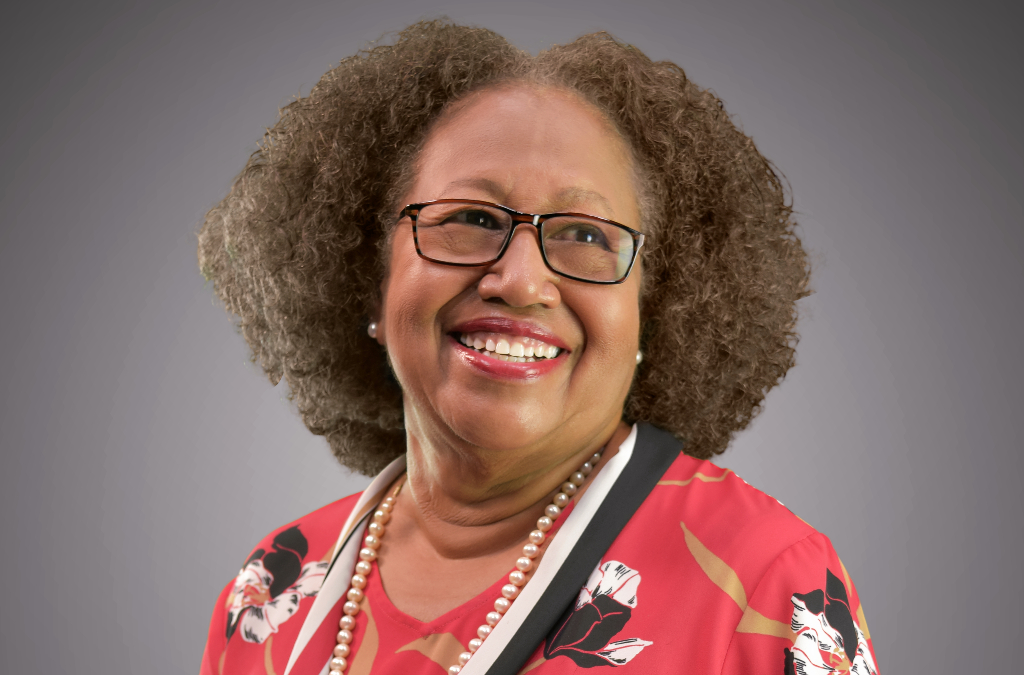
The Caribbean Community (CARICOM) confronts a delicate crisis of legitimacy as member states fail to agree on a successor to Secretary-General Carla Barnett, whose February reappointment is now widely regarded as untenable.
Trinidad & Tobago, which funds roughly 22 percent of CARICOM’s budget, has formally challenged the procedure used to renew Barnett’s term, claiming its delegation was excluded from the closed-door decision. Officials counter that Trinidad’s representative declined to attend.
Jamaica, initially supportive, has since joined calls for a leaders’ review, with Prime Minister Andrew Holness urging “another heads meeting” to resolve the dispute.
The standoff risks more than procedural discord. In a consensus-driven bloc, leadership lacking broad acceptance undermines coordination and erodes credibility with members and external partners alike, analysts warn.
Joseph Cox, a former CARICOM assistant secretary-general, notes that “a secretary-general cannot effectively function” without recognition from key states.
Veteran diplomats recall deeper fractures – including the 1983 Grenada invasion – that the bloc survived. Yet CARICOM cannot operate indefinitely without an empowered chief executive.
Behind-the-scenes negotiations continue, but with no consensus candidate and no timeline, the impasse endures.
