
Business
Ghana to Refine Domestic Crude, Joining Africa’s Push for Energy Value Addition
West African producer joins Nigeria, Angola and Algeria in building downstream capacity.
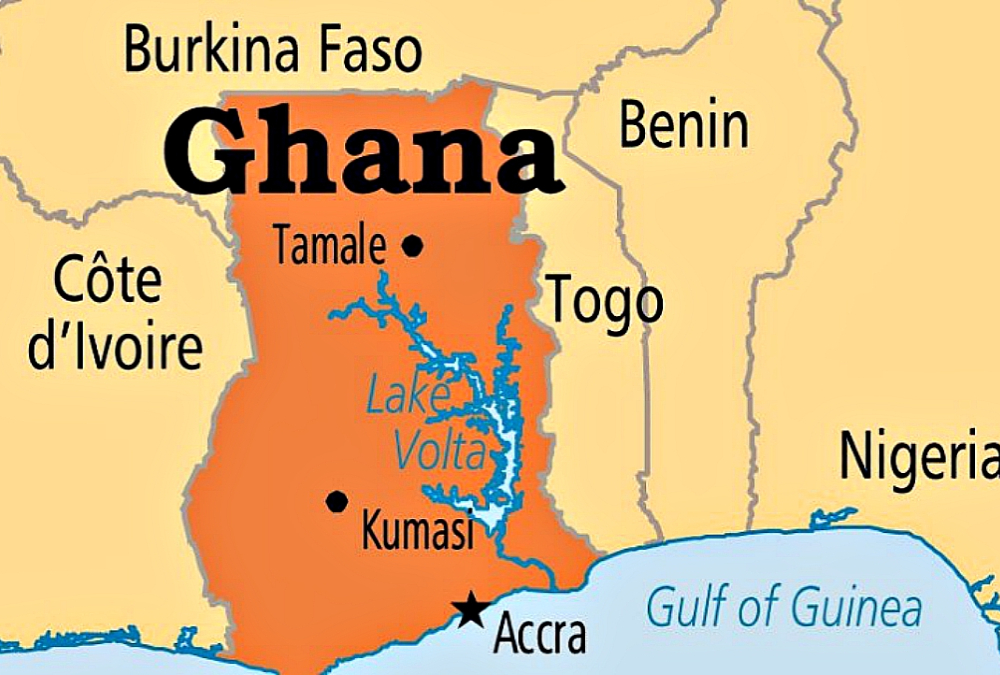
Ghana will begin refining crude from its offshore fields at home in June, President John Dramani Mahama said, becoming the latest African oil producer to process its own petroleum rather than exporting raw barrels and importing costly fuels.
Beginning in June, crude from the country’s offshore fields will be delivered to a local refinery for processing – ending a long-standing cycle of exporting raw crude while importing refined petroleum products.
“Normally we produce the oil and export it. Then we import finished petroleum products or import crude again to refine. That cycle must change,” Mahama said.
Ghana’s refining ambitions center on the Tema Oil Refinery (TOR), which restarted operations in late 2025. Currently processing around 28,000 barrels per day (bpd), the TOR is targeting 45,000 bpd through an additional processing unit, with longer-term plans to reach 60,000 bpd.
A separate 100,000-bpd facility is also under development. The privately owned Sentuo Oil Refinery in Tema adds further capacity.
Ghana’s move reflects a broader continental shift. Nigeria’s 650,000-bpd Dangote Refinery – Africa’s largest – has significantly expanded the region’s downstream capacity.
Angola is developing the 200,000-bpd Lobito Refinery alongside existing facilities. North African producers including Egypt, Algeria and Libya have long maintained domestic refining industries.
Mahama also disclosed roughly US$1.5 billion in new investment from Italy’s Eni in the Offshore Cape Three Points field to expand oil and gas production. He argued, however, that increased output must be matched by value addition across all sectors – oil and gas, mining, agriculture and manufacturing – to maximize the economic benefits of Ghana’s natural resources.
