
News
CARICOM Leaders Bet on Regional Self-Reliance to Weather Global Shocks
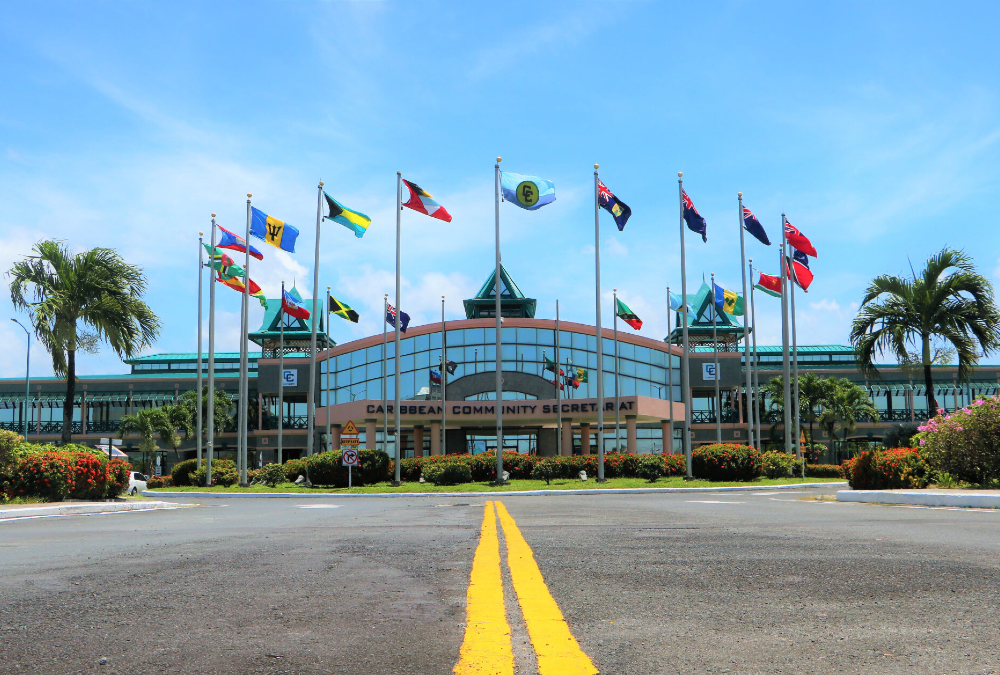
Caribbean leaders, gathered in St. Lucia for the CARICOM summit, acknowledged that forces such as war-driven fuel costs, supply-chain disruptions, and climate disasters lie largely outside their control. Their response: strengthen what they can control.
“Our discussions have been guided by one central objective: ensuring that CARICOM delivers results that people can see and feel in their everyday lives,” said CARICOM Chairman and St. Lucia Prime Minister Philip J. Pierre.
Leaders prioritized the cost of living, food security, transportation, and disaster resilience. Barbados Prime Minister Mia Amor Mottley, who heads the Caribbean Single Market and Economy initiative, called for collective action: “None of us is omniscient, none of us has all the answers, and none of us are omnipotent as well.”
A proposed intra-regional ferry service emerged as a key initiative to cut freight costs and boost food security, complementing the “25 by 2025 Plus Five” program to reduce food imports. On energy, St Kitts & Nevis Prime Minister Terrance Drew argued the region’s real challenge is harnessing its abundant renewable resources, not scarcity: “We don’t have an energy issue. We have an energy-harnessing issue.”
CARICOM also launched a Blue Ribbon Commission on Artificial Intelligence to guide member states on AI’s risks and opportunities, reaffirmed its 1.5°C climate commitment, advanced a regional disaster-insurance strategy, and renewed its push for reparatory justice through the African Union and Commonwealth forums.
With the agenda now set, CARICOM’s challenge shifts to implementation – success will be measured not in declarations, but in tangible gains for Caribbean citizens.
